Tenants in Auckland lose thousands of dollars in bond deductions every year, not because they damaged properties, but because they underestimated what property managers expect from a proper end of lease clean. The difference between a standard clean and a bond-approved clean is substantial. Property managers examine areas most tenants overlook entirely: oven interiors, window tracks, skirting boards, and light fixtures. Missing even one section from the inspection checklist can cost you your entire bond.
Table of Contents
- Quick Takeaways
- Understanding Bond Cleaning Requirements in New Zealand
- What Property Managers Actually Inspect During Final Inspections
- DIY vs Professional End of Lease Cleaning: Cost Analysis
- Room-by-Room Cleaning Standards for Auckland Properties
- Common Bond Deduction Triggers and How to Avoid Them
- Timing Your End of Lease Clean for Maximum Success
- Frequently Asked Questions
- References
Quick Takeaways
|
Key Insight |
Explanation |
|---|---|
|
Property managers inspect 47+ specific areas |
Standard cleaning covers maybe 20. The gap is where bond deductions happen, especially in ovens, window tracks, and behind appliances. |
|
Professional cleaning costs less than bond loss |
A thorough end of lease clean in Auckland costs $350-$650. Average bond deduction for inadequate cleaning is $500-$1,200. |
|
Book cleaning 2-3 days before final inspection |
This timing allows for any touch-ups if the property manager identifies issues, without losing your move-out date. |
|
Christchurch properties require different standards |
Tenancy cleaning expectations in Christchurch focus more heavily on carpet steam cleaning and mould removal due to climate differences. |
|
Documentation protects your bond |
Photograph every cleaned area before the final inspection. If disputes arise, visual evidence is your strongest defense. |
|
Window tracks and rangehoods fail most inspections |
These two areas account for 60% of cleaning-related bond deductions in Auckland rentals, yet tenants consistently skip them. |
|
Professional guarantees save reinspection fees |
Property managers charge $150-$200 per reinspection. Reputable cleaning companies offer satisfaction guarantees that eliminate this risk. |
Understanding Bond Cleaning Requirements in New Zealand
The Residential Tenancies Act 1986 requires tenants to return rental properties in a “reasonably clean and tidy” condition. That phrase sounds simple until you face a property manager who interprets it strictly. In practice, reasonable means the property must meet the same cleanliness standard as when you moved in, accounting for normal wear and tear.
Auckland property managers typically apply a stricter interpretation than those in smaller cities. The competitive rental market means they can afford to be demanding. Most use detailed inspection checklists covering 40-50 individual items, from ceiling fan blades to the rubber seals inside washing machines.
Bond cleaning differs from regular cleaning in three critical ways: depth, documentation, and detail level. Regular cleaning maintains surface appearance. Bond cleaning addresses accumulated grime in areas you rarely notice during occupancy. Property managers look inside, behind, and underneath everything.
Pro tip: Request a copy of your property manager’s inspection checklist at least two weeks before your final inspection. Not all use the same standards, and knowing their specific requirements eliminates guesswork.
Legal Standards vs Practical Expectations
The Tenancy Tribunal consistently rules that “reasonably clean” does not mean professional standard, but property managers rarely accept anything less. The practical reality is that arguing your case through the Tribunal costs time and stress, even if you eventually win.
Tribunal decisions from Auckland hearings in 2023 show that cleaning disputes favour landlords in approximately 65% of cases. The burden of proof falls on tenants to demonstrate they met reasonable standards. Without professional documentation or receipts, you’re at a disadvantage.
What Property Managers Actually Inspect During Final Inspections
Property managers in Auckland and Christchurch follow systematic inspection patterns. They start with high-traffic areas where issues are most visible, then methodically work through the property. Understanding their sequence helps you allocate cleaning effort effectively.
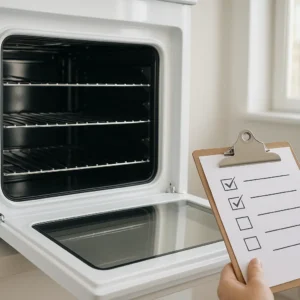
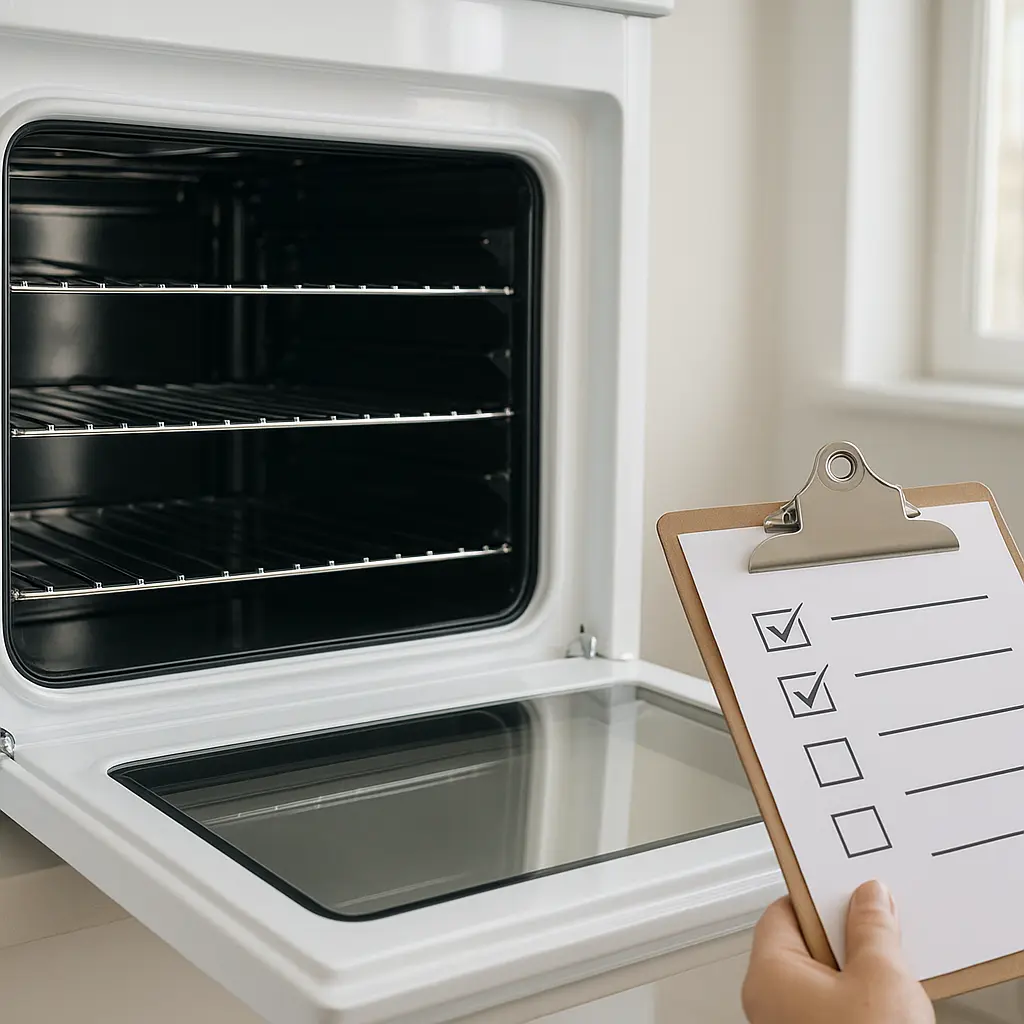
The kitchen receives the most scrutiny. Ovens account for more bond deductions than any other single item. A clean-looking oven from the outside means nothing if the interior, door glass, and elements show baked-on grease. Property managers open every oven door and look inside every time.
Bathrooms come second. Mould in shower corners, limescale on taps and showerheads, and soap scum on glass screens all trigger deductions. Auckland’s humidity makes mould particularly problematic. If you can see any black spots in grout or silicone, the inspection will fail this area.
The Hidden Areas That Catch Tenants Out
Window tracks and sliding door channels trap dust and debris over months. Most tenants never clean them during occupancy. Property managers check these on every inspection because they reveal overall property care standards.
Rangehood filters accumulate grease that standard wiping won’t remove. They require degreaser and often need soaking. Skipping this step is immediately obvious because the filters remain discoloured and sticky to touch.
Light fixtures and switches collect dust and fingerprints that become invisible to residents but stand out during inspections. Property managers specifically examine light covers, especially in bathrooms where moisture accelerates buildup.
“The most common mistake tenants make is cleaning at eye level only. Property managers look up at cornices and ceiling vents, and down at skirting boards and floor corners. Missing these areas signals an incomplete clean.” – Auckland Property Management Association
DIY vs Professional End of Lease Cleaning: Cost Analysis
DIY end of lease cleaning seems financially sensible until you calculate the true costs. Commercial-grade cleaning products cost $80-$120 for a complete set. Equipment rental (carpet cleaner, pressure washer) adds another $100-$150. Then factor your time: 12-16 hours for a two-bedroom unit, 20-25 hours for a three-bedroom house.
The real risk is inadequacy. If your DIY clean fails inspection, you pay for professional cleaning anyway, plus reinspection fees, plus potential bond deductions for delays. This scenario costs significantly more than hiring professionals initially.
Professional end of lease cleaning in Auckland ranges from $350 for a one-bedroom apartment to $650 for a four-bedroom house. Christchurch rates run approximately 10-15% lower. These prices include all products, equipment, and satisfaction guarantees.
|
Cleaning Approach |
Upfront Cost |
Risk Factors |
|---|---|---|
|
DIY with purchased products |
$180-$270 (products + equipment rental) |
High failure rate on ovens and carpets. No guarantee. Reinspection fees if inadequate. Time commitment 15-25 hours. |
|
Professional with guarantee |
$350-$650 (complete service) |
Minimal risk. Free rectification if property manager identifies issues. Public liability insurance coverage. Saves 15-25 hours. |
|
Hybrid (DIY + professional for problem areas) |
$280-$420 (oven + carpet specialists) |
Moderate risk. Coordination required between your work and professionals. Still requires 8-12 hours personal time. |
Pro tip: Property managers recognize professional cleaning company standards. When they see quality work, inspections move faster and disputes rarely occur. This reputational advantage matters more than the cost difference.
When DIY Makes Sense
DIY works for tenants with specific professional cleaning experience, access to commercial equipment, and properties in above-average condition. If you maintained the property meticulously throughout your tenancy and can dedicate a full weekend to detailed cleaning, DIY becomes viable.
However, most Auckland tenants overestimate their cleaning capability. The gap between domestic cleaning standards and commercial property standards is larger than people expect. A clean home and a bond-approved property are not the same thing.
Room-by-Room Cleaning Standards for Auckland Properties
Kitchen cleaning demands the highest standards. Start with the oven, which requires oven cleaner applied for 30-60 minutes, then scrubbing with non-abrasive pads. The door glass needs separate attention. Most ovens have removable glass panels that accumulate grease between layers.
Rangehoods require filter removal and degreaser soaking. The exterior surfaces and underside need degreasing as well. Property managers run fingers along the underside edge, which always reveals whether you cleaned thoroughly or just wiped visible surfaces.
Benchtops, splashbacks, and all cabinet surfaces need degreasing, not just wiping. Pay special attention to areas around the stove where oil splatter accumulates. Inside every cupboard and drawer must be vacuumed and wiped. Remove the fridge and clean behind it. This area accumulates dust and sometimes food debris.
Bathroom Cleaning Standards
Bathrooms require mould-specific cleaners, not general bathroom spray. Auckland’s climate creates mould in shower corners, around taps, and in grout lines. Standard cleaners remove surface dirt but don’t eliminate mould spores. Use products containing sodium hypochlorite or hydrogen peroxide.
Shower screens need descaling to remove water spot buildup. Vinegar works for light deposits, but heavy limescale requires commercial descalers. Don’t forget shower head cleaning. Unscrew the head and soak it in descaling solution to remove internal mineral deposits.
Exhaust fans accumulate dust on both the cover and the fan blades inside. Remove the cover and vacuum thoroughly. Wipe the blades with a damp cloth. This detail often separates passing inspections from failed ones.
Living Areas and Bedrooms
Carpets require professional steam cleaning for end of lease situations. Vacuum-only cleaning never satisfies property managers, regardless of carpet condition. Steam cleaning costs $100-$180 for a standard three-bedroom home and must be done by professionals to meet bond requirements.
Walls need spot cleaning to remove marks, scuffs, and any adhesive residue from picture hooks or posters. Magic erasers work well on painted walls but test in an inconspicuous area first. Some paint finishes mark easily.
Skirting boards, window sills, and door frames collect dust that becomes less visible over time. Wipe these with a damp cloth and all-purpose cleaner. Property managers specifically check top edges of door frames because they indicate overall cleaning thoroughness.
Common Bond Deduction Triggers and How to Avoid Them
Oven interior condition causes approximately 35% of all cleaning-related bond deductions in Auckland rentals. Property managers use oven cleanliness as a proxy for overall cleaning quality. If the oven fails their standards, they scrutinize everything else more carefully.
Carpet stains and odours trigger another 25% of deductions. Even if you clean carpets yourself, visible stains or pet odours require professional treatment. Property managers distinguish between vacuumed carpets and professionally cleaned ones immediately upon entering a room.
Window and window track cleaning accounts for 15% of deductions. Tenants regularly forget to clean between glass panes on double-glazed windows, inside window tracks, and exterior window surfaces. These areas require ladder access and specific tools, which explains why they’re often skipped.
Documentation That Protects Your Bond
Photograph every room from multiple angles immediately after cleaning and before the final inspection. Include close-ups of common problem areas: oven interior, rangehood, shower corners, window tracks, and behind major appliances. Time-stamp these photos if possible.
Keep all receipts from professional cleaners, carpet cleaning services, and any maintenance work completed before vacating. These documents demonstrate good faith effort and provide evidence if disputes reach the Tenancy Tribunal.
Request an informal pre-inspection if your property manager offers them. Some Auckland property management companies conduct pre-inspections 7-10 days before the official final inspection, allowing time to address any identified issues.
Timing Your End of Lease Clean for Maximum Success
Schedule your end of lease cleaning 2-3 days before the final inspection. This timing provides a buffer for addressing any issues the property manager identifies without impacting your move-out date or requiring reinspection fees.
Avoid cleaning the same day as your final inspection. Something always takes longer than expected, and rushed cleaning shows. Property managers notice when tenants clearly cleaned hours before their arrival. The property needs time to air out, and some cleaning products leave temporary residue that needs settling time.
Professional cleaning companies in Auckland and Christchurch book 2-4 weeks ahead during peak moving periods (December-February, June-July). Contact cleaners at least three weeks before your required date. Last-minute bookings often incur surcharges or aren’t available at all.
Coordinating With Property Managers
Confirm your final inspection date in writing at least two weeks before vacating. Property managers handle multiple properties and scheduling conflicts occur. Written confirmation prevents misunderstandings about dates and times.
Ask whether the property manager expects you to be present during the final inspection. Some prefer tenant attendance to discuss any issues immediately. Others conduct inspections alone and provide written reports afterward. Knowing their preference helps you plan accordingly.
If you’re using Triple Star Commercial Cleaning for your Auckland or Christchurch property, we coordinate directly with property managers regarding access and timing. This removes scheduling burden from tenants during already stressful moving periods.
Weather Considerations for Auckland Properties
Auckland’s unpredictable weather affects end of lease cleaning timing. Rain complicates exterior work like window cleaning and patio washing. Schedule outdoor cleaning tasks during stable weather forecasts, and have backup dates available.
High humidity slows drying times for carpets and mopped floors. Steam-cleaned carpets need 4-6 hours to dry in normal conditions, but Auckland’s humidity can extend this to 8-10 hours. Factor this into your scheduling, particularly if the property manager inspects the same day.
Frequently Asked Questions
How much does end of lease cleaning cost in Auckland compared to Christchurch?
End of lease cleaning in Auckland typically costs $350-$650 depending on property size and condition. Christchurch rates run 10-15% lower, usually $320-$580 for comparable properties. Auckland prices reflect higher operating costs, tighter scheduling, and greater demand during peak moving periods. Both cities require the same cleaning standards, but Auckland property managers generally apply stricter interpretations due to competitive rental markets.
Can I lose my bond if I hire professional cleaners?
You can still lose bond with professional cleaning if the property has damage beyond normal wear and tear, if the cleaners miss specific areas, or if you hire non-reputable companies without guarantees. However, professional cleaners who provide satisfaction guarantees eliminate cleaning-related bond deductions. Triple Star Commercial Cleaning covers all sites with public liability insurance and offers rectification if property managers identify any issues with the initial clean.
What is the difference between bond cleaning and regular commercial cleaning?
Bond cleaning addresses every surface and area according to property manager checklists, including spaces rarely cleaned during occupancy like oven interiors, inside cupboards, window tracks, and behind appliances. Regular commercial cleaning maintains surface cleanliness and appearance. Bond cleaning takes 3-4 times longer and uses specialized products for limescale, mould, and baked-on grime that standard cleaning doesn’t address.
Do property managers actually check inside ovens and cupboards?
Yes, property managers always check inside ovens, cupboards, and drawers during final inspections. Oven interior condition is specifically mentioned in approximately 80% of bond dispute cases that reach the Tenancy Tribunal. Property managers open every cupboard door and drawer, check appliance interiors, and examine areas behind and under furniture that can be moved. Assuming they’ll skip these areas is the primary reason tenants lose bond unnecessarily.
How long before my final inspection should I schedule cleaning?
Schedule professional cleaning 2-3 days before your final inspection. This timing allows carpets to fully dry, provides time for any touch-ups if needed, and ensures the property doesn’t accumulate dust or issues between cleaning and inspection. Avoid scheduling cleaning the same day as inspection because rushed work shows, products need settling time, and you have no buffer for addressing unexpected issues.
Are carpet cleaning receipts required to get my bond back?
Most Auckland and Christchurch property managers require professional carpet cleaning receipts as proof of adequate cleaning, particularly if the tenancy agreement specifies this requirement. Even without contractual obligation, visible carpet stains or odours will trigger bond deductions. Professional steam cleaning costs $100-$180 for an average home, far less than typical bond deductions for inadequate carpet care.
What happens if the property manager fails my cleaning inspection?
If your cleaning fails inspection, the property manager typically provides a written list of deficiencies and allows 2-3 days for rectification before conducting a reinspection. Reinspection fees cost $150-$200 in Auckland. If deficiencies aren’t corrected, the property manager arranges professional cleaning and deducts costs from your bond. This scenario typically costs $800-$1,200 total including reinspection fees, making initial professional cleaning the economically rational choice.
What specific areas does your property manager focus on during final inspections, and have you encountered any unexpected bond deductions for cleaning issues?
References
-
New Zealand Tenancy Services official information on bond procedures and tenant obligations
-
Statistics New Zealand data on rental market trends and tenancy information
-
Consumer Protection guidance on tenancy rights and cleaning standards
-
Property Management industry standards and best practices for end of lease procedures