If your carpet or floor has become wet due to a leak, flooding, or water damage, acting quickly is essential to prevent mould, odours, and long-term damage.
Whether it’s carpet, timber flooring, vinyl, or concrete, using the right drying method can significantly reduce drying time and avoid costly repairs.
In this guide, we’ll show you how to dry wet carpet and floors fast, and when to use professional drying equipment.
Table of Contents
ToggleWhat Causes Wet Carpet and Floors?
Water damage can happen in many situations, including:
- Water leaks from pipes or roofs
- Heavy rain or flooding
- Washing machine or dishwasher overflow
- Spills that soak into flooring
Both carpet and hard floors can retain moisture, which needs to be removed quickly.
Why Fast Drying Is Important
Leaving moisture in carpet or flooring can lead to:
- Mould growth
- Bad smells
- Warping of timber floors
- Damage to underlay and subfloor
The sooner you start drying, the better the outcome.
Step-by-Step: How to Dry Wet Carpet and Floors Fast
Step 1: Remove Excess Water
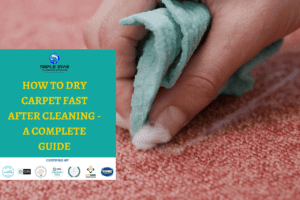
Use towels, mops, or a wet vacuum to remove as much water as possible.
Step 2: Increase Airflow
Open windows or doors if possible, and create airflow across the wet area.
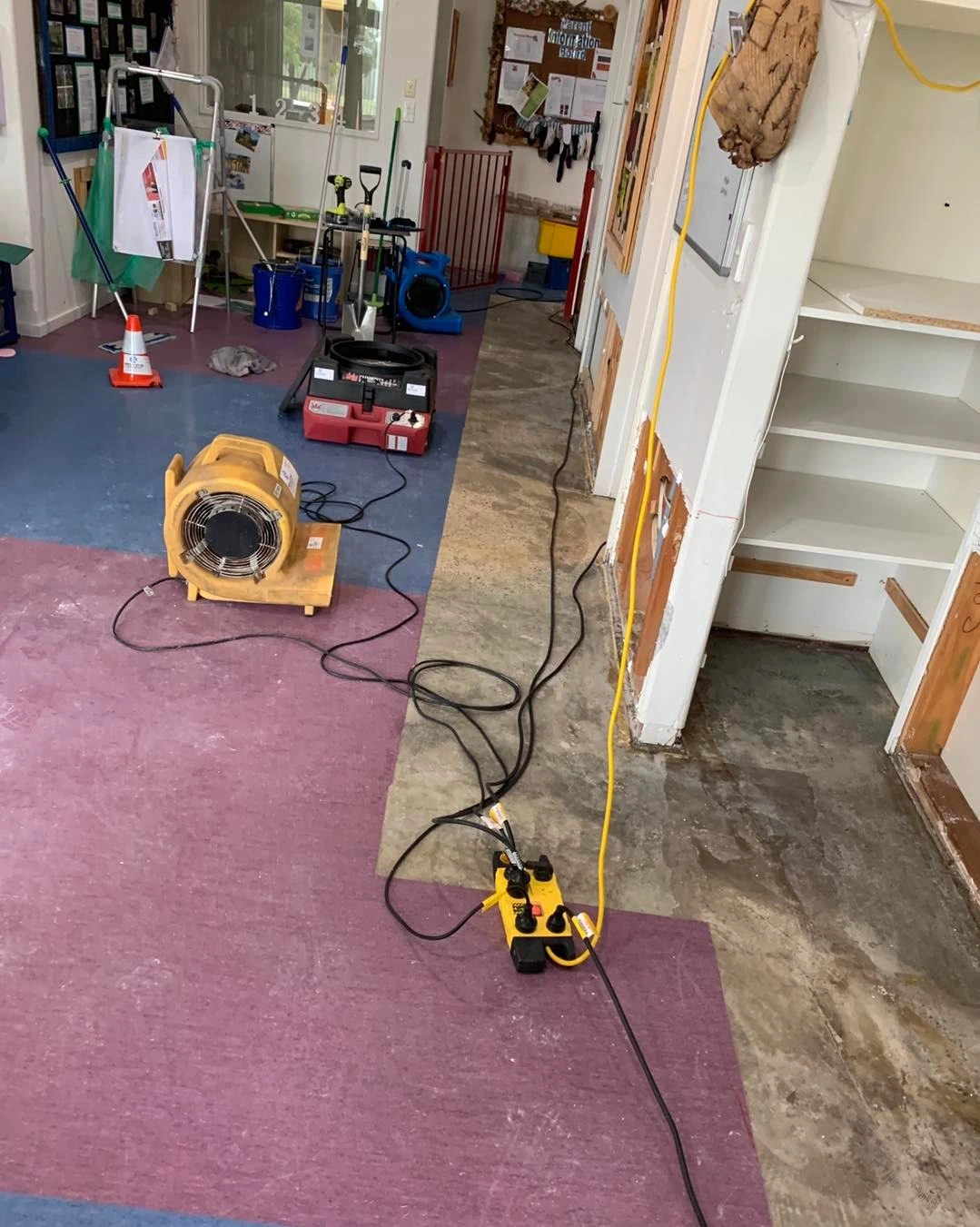
Step 3: Use Air Movers (Carpet Dryers)
Air movers blow high-speed air across the surface, helping moisture evaporate faster from both carpet and hard floors.
Step 4: Use a Dehumidifier
Dehumidifiers remove moisture from the air, which is critical for drying rooms, carpet underlay, and hard flooring.
Step 5: Keep Equipment Running
Drying usually takes 24–48 hours, depending on how wet the area is.
When Should You Use Drying Equipment?
For small spills, natural drying may work. However, for:
- Wet carpet
- Water leaks
- Flooded rooms
- Moisture in timber or concrete floors
using professional drying equipment is the fastest and most effective solution.
You can check our drying equipment hire in Christchurch for air movers, dehumidifiers, and air scrubbers.
Drying Carpet vs Hard Floors – What’s Different?
Carpet absorbs water into the fibres and underlay, which can take longer to dry.
Hard floors such as timber or vinyl may look dry on the surface but still hold moisture underneath, which can cause long-term damage if not properly dried.
Both require proper airflow and moisture control.
How Many Machines Do You Need?
As a general guide:
- Small room: 2 air movers + 1 dehumidifier
- Larger areas: more machines required
The correct setup can significantly reduce drying time.
Can You Dry Carpet or Floors Yourself?
Yes. In many cases, you can dry both carpet and hard floors yourself using the right equipment.
With proper setup, most residential situations do not require full restoration services.
Need Help Drying Wet Carpet or Floors in Christchurch?
If you’re unsure what equipment you need or want to speed up the drying process, feel free to get in touch.
We can help you choose the right setup for your situation.
Christchurch: 0800 90 1223