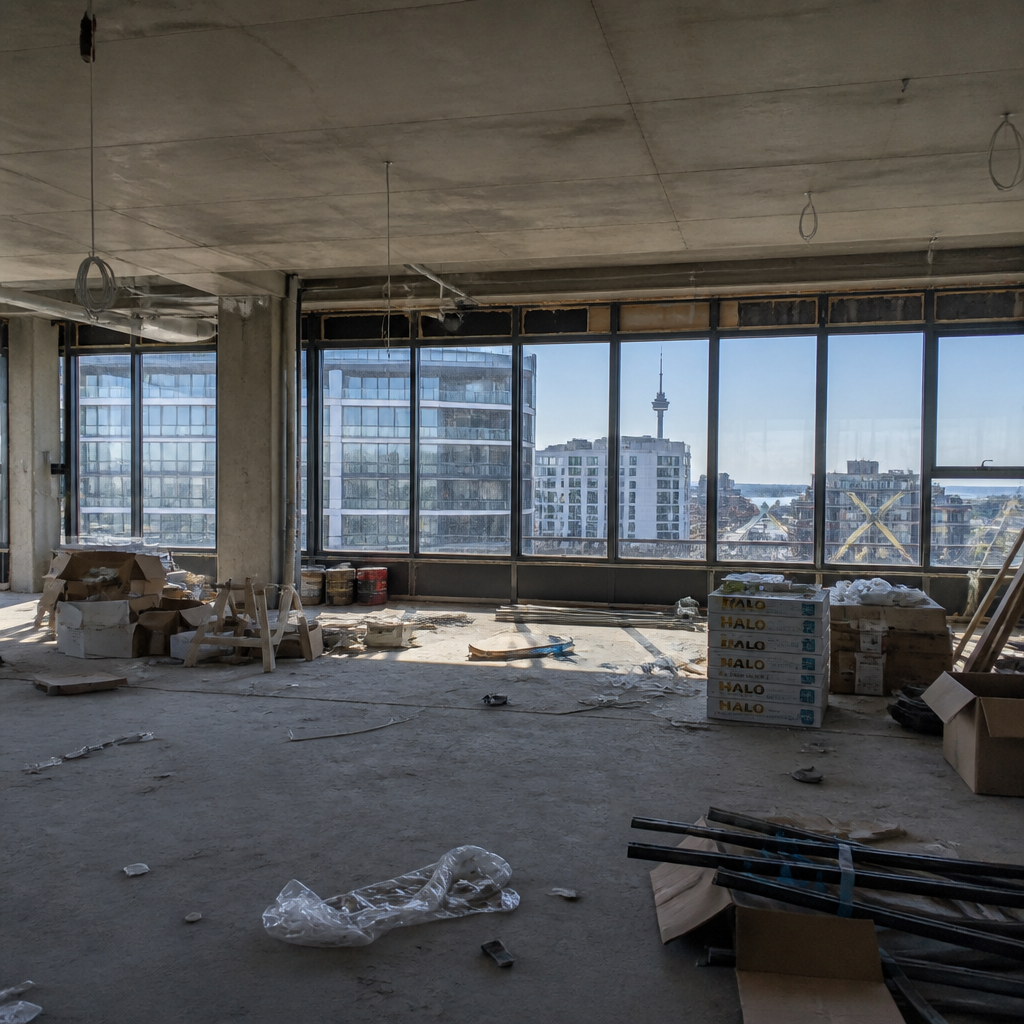
You’ve just finished a build or fitout in Auckland, the handover date is locked in, and someone on the project team asks: “What’s the builders clean going to cost?” Most builders and property developers either guess, get surprised by the invoice, or delay booking until it becomes a last-minute scramble. Post construction cleaning Auckland is not a commodity service you can price off the top of your head, and treating it like one leads to budget blowouts, delayed handovers, and disputes with clients. This guide gives you a clear-eyed breakdown of what drives the cost, what a realistic budget looks like, and where builders and developers commonly go wrong.
Table of Contents
- Quick Takeaways
- What Is Post-Construction Cleaning and Why Is It Different
- What Actually Drives the Cost of a Builders Clean in Auckland
- Realistic Cost Ranges for Auckland Construction Projects
- Comparing Your Options: DIY, Generalist Cleaners, and Specialist Builders Cleaners
- Common Mistakes Builders and Developers Make When Budgeting
- How to Get an Accurate Quote and Avoid Scope Creep
- Frequently Asked Questions
- References
Quick Takeaways
| Key Insight | Explanation |
|---|---|
| Size and site condition are the two biggest cost drivers | A large site in rough post-trades condition will cost significantly more than a similar-sized site that was well-managed during the build. Always factor in actual site state, not just floor area. |
| Builders cleaning is a specialist service, not a standard clean | Post-construction cleaning involves removing concrete splatter, paint overspray, adhesive residue, silicone smearing, and construction dust from every surface. Standard commercial cleaners are not equipped for this. |
| Auckland’s construction pricing environment pushes labour costs higher | Labour costs in the construction and trades sector in Auckland are among the highest in New Zealand, and specialist cleaning labour follows the same pattern. Budget accordingly. |
| Multi-stage cleans are common on larger projects | Developers on medium to large builds often schedule a rough clean mid-construction and a final detailed clean pre-handover. Quoting only the final clean and ignoring the rough stage is a common budget error. |
| Window cleaning and floor treatment are often priced separately | Post-construction window cleaning, floor stripping and sealing, and carpet cleaning are frequently quoted as separate line items. Always confirm what is and is not included in a base quote. |
| Insurance and compliance matter on commercial sites | On commercial and multi-unit residential sites, your cleaning contractor needs current public liability insurance. An uninsured cleaner on a construction site is a liability risk you should not accept. |
| Booking lead time affects cost and availability | Last-minute bookings during peak construction periods in Auckland frequently attract a premium or result in scheduling delays. Build the clean into your project programme, not as an afterthought. |
What Is Post-Construction Cleaning and Why Is It Different
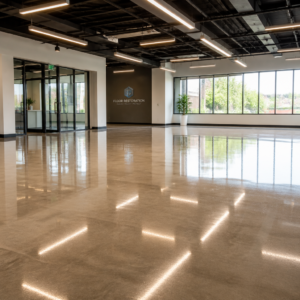
Post-construction cleaning, sometimes called builders cleaning or a builders clean, is the process of preparing a newly built or renovated site for handover, occupation, or photography. It is not an extension of a regular office clean or a domestic clean scaled up. The contaminants on a construction site are fundamentally different from those in an occupied building.
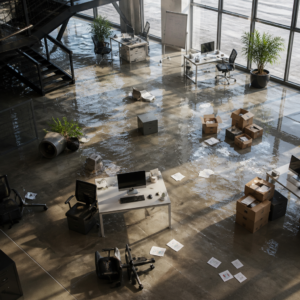
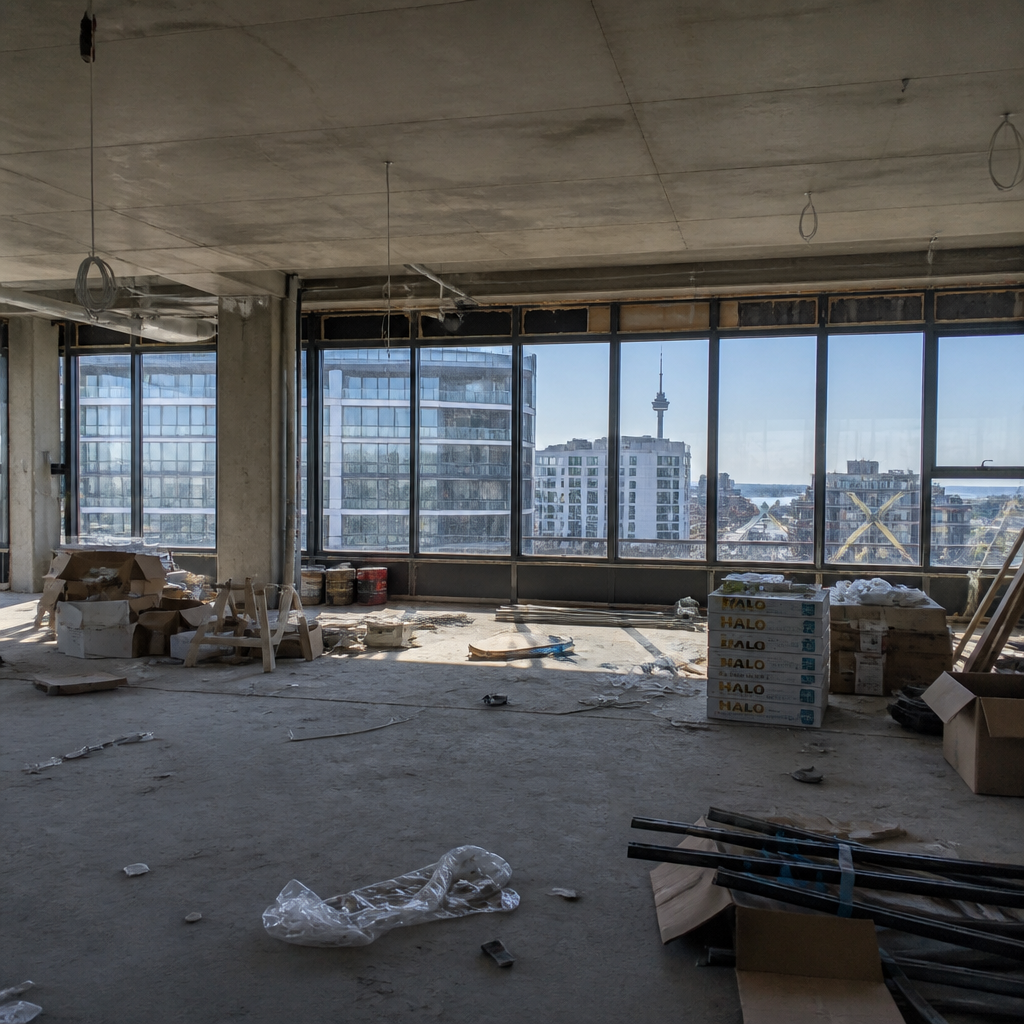
On a typical Auckland construction project, the cleaning team will deal with fine construction dust that has penetrated into every horizontal surface and cavity, cement and mortar residue on tiles and hard floors, paint splatter on glass, stainless steel fixtures, and cabinetry, adhesive and silicone smears on window frames and trims, plasterboard dust caked onto skirting and joinery, and general construction debris left by multiple trades. None of this responds to a standard mop-and-wipe approach.
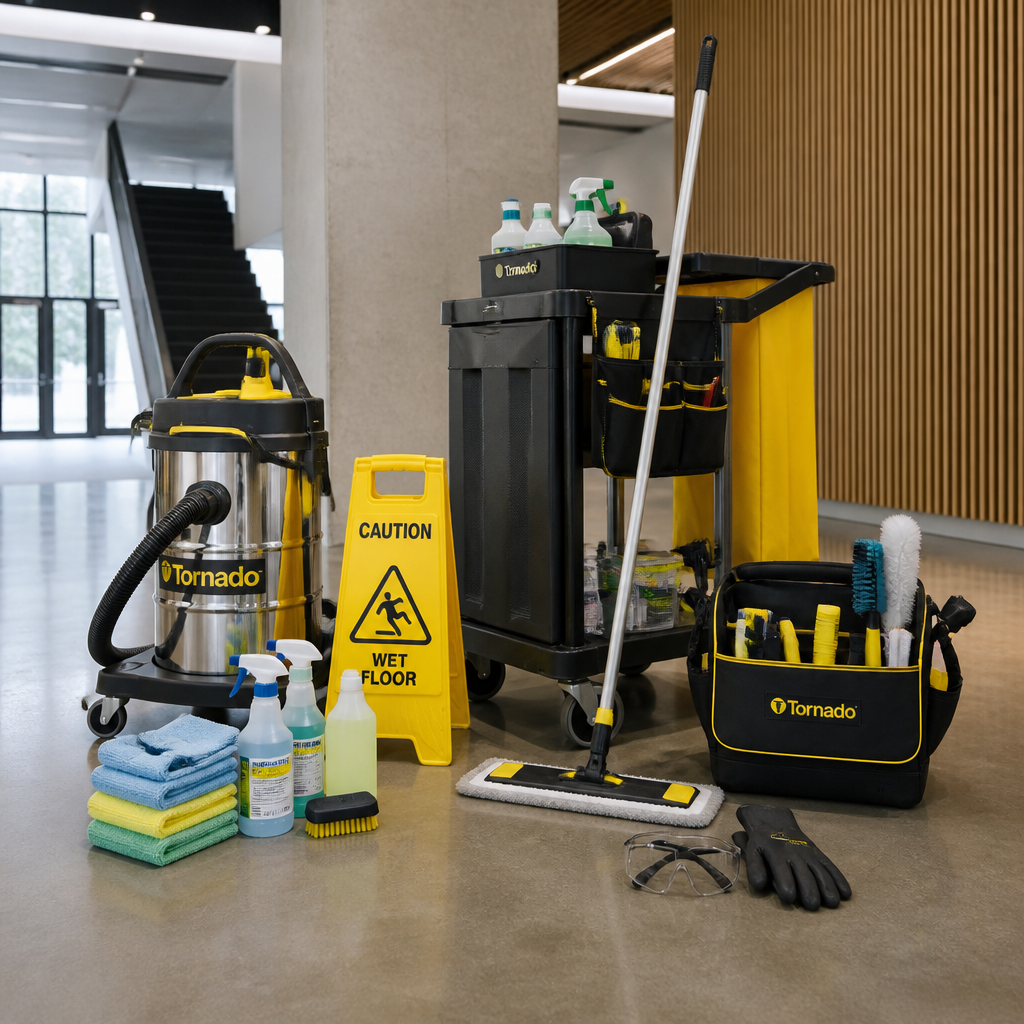
Specialist equipment and chemistry are non-negotiable. A proper builders clean requires commercial-grade vacuums with HEPA filtration to handle fine construction dust without redistributing it, appropriate solvent-based or pH-balanced cleaning agents for adhesive removal, and experienced staff who know which products are safe on which surfaces. Using the wrong chemical on a polished concrete floor or a powder-coated window frame causes damage that costs far more to fix than the clean itself.
This distinction matters for budgeting because it explains why post-construction cleaning is priced at a higher rate per square metre than ongoing commercial cleaning maintenance. You are paying for expertise, specialised products, and the labour intensity of a once-off deep remediation rather than a routine service visit.
What Actually Drives the Cost of a Builders Clean in Auckland
Experienced construction site cleaning companies price jobs based on a combination of factors. Understanding these gives you a realistic basis for budgeting and helps you have a more productive conversation with a cleaning contractor.
Floor Area and Volume
Floor area in square metres is the starting point for any quote. But volume matters too. A warehouse or high-stud commercial fitout with exposed ceilings, structural steelwork, and large glazed facades takes significantly longer to clean than a low-stud office of the same floor area. Multi-storey sites add complexity because equipment and cleaning crews need to move between levels, and dust migration from upper floors to lower floors compounds the work on every level below.
Site Condition at the Time of Cleaning
This is the variable most builders underestimate. A site where trades have been managed well, where progressive cleaning has occurred, and where materials are stored off finished surfaces will cost considerably less to clean than a site where every trade left their mess for the cleaners. In practice, the difference in labour hours between a well-managed and a poorly managed site of the same size can be substantial, sometimes doubling the hours required on a final clean.
Pro tip: If you manage the build, implement a basic progressive clean schedule with your subbies. Requiring trades to remove their own debris at the end of each day significantly reduces the final builders cleaning cost and prevents damage to finished surfaces from accumulated debris.
Scope of Services Required
A base builders clean typically covers interior surfaces including walls, windows from the inside, hard floors, cabinetry, fixtures, and fittings. But many Auckland projects also require external window cleaning, floor stripping and sealing or polishing, carpet cleaning or protection removal, kitchen and bathroom deep cleaning, and rubbish removal. Each of these is a separate scope item. A quote that appears cheap because it excludes several of these items is not a useful comparison against a more comprehensive quote.
Access and Site Logistics
High-rise residential and commercial projects in Auckland’s CBD or inner suburbs add cost through restricted access, the need to use building hoists for equipment, time lost to site inductions and safety requirements, and parking costs for cleaning crews. A ground-floor industrial unit in an outer Auckland suburb is straightforward to access. A mid-rise apartment block in the CBD with strict builder site protocols is not.
Timing and Urgency
The Auckland construction market has periods of intense activity, and specialist cleaning contractors are in high demand when multiple large projects reach completion simultaneously. Bookings made weeks in advance at agreed rates are typically cheaper than urgent bookings. Weekend or after-hours cleans to meet a Monday handover frequently attract a premium rate for labour.
Realistic Cost Ranges for Auckland Construction Projects
Specific published pricing for post-construction cleaning in New Zealand is not widely available from official sources, and rates from any individual contractor can vary based on their overhead structure, crew size, and current workload. What follows reflects the general market structure for builders cleaning costs NZ rather than a fixed price list, and you should treat it as a budgeting framework rather than a quote.
For small residential builds and single-level fitouts, a basic builders clean is generally priced on a per-square-metre basis or as a flat project rate. For medium-scale commercial fitouts and multi-unit residential projects, the rate per square metre typically decreases slightly due to economies of scale in mobilisation and movement, but total project cost increases significantly. Large-scale commercial builds, new school blocks, medical centre fitouts, and multi-storey apartment complexes are almost always priced on a detailed scope-of-works basis rather than a simple rate, because the variables are too significant to quote per square metre without a site inspection.
The single most reliable way to get an accurate post-construction cleaning cost is to provide your cleaning contractor with a full set of as-built drawings, your scope of works, and access to the site before pricing. A quote based solely on a floor plan number without a site visit is rarely accurate in either direction.
As a general principle, post-construction cleaning costs more per square metre than ongoing commercial cleaning maintenance. This reflects the one-off nature of the service, the specialised labour and products required, and the typically greater time per square metre needed on a construction site versus an already-clean occupied space. Factor this into your project budget from the tender stage, not as a last-minute allowance.
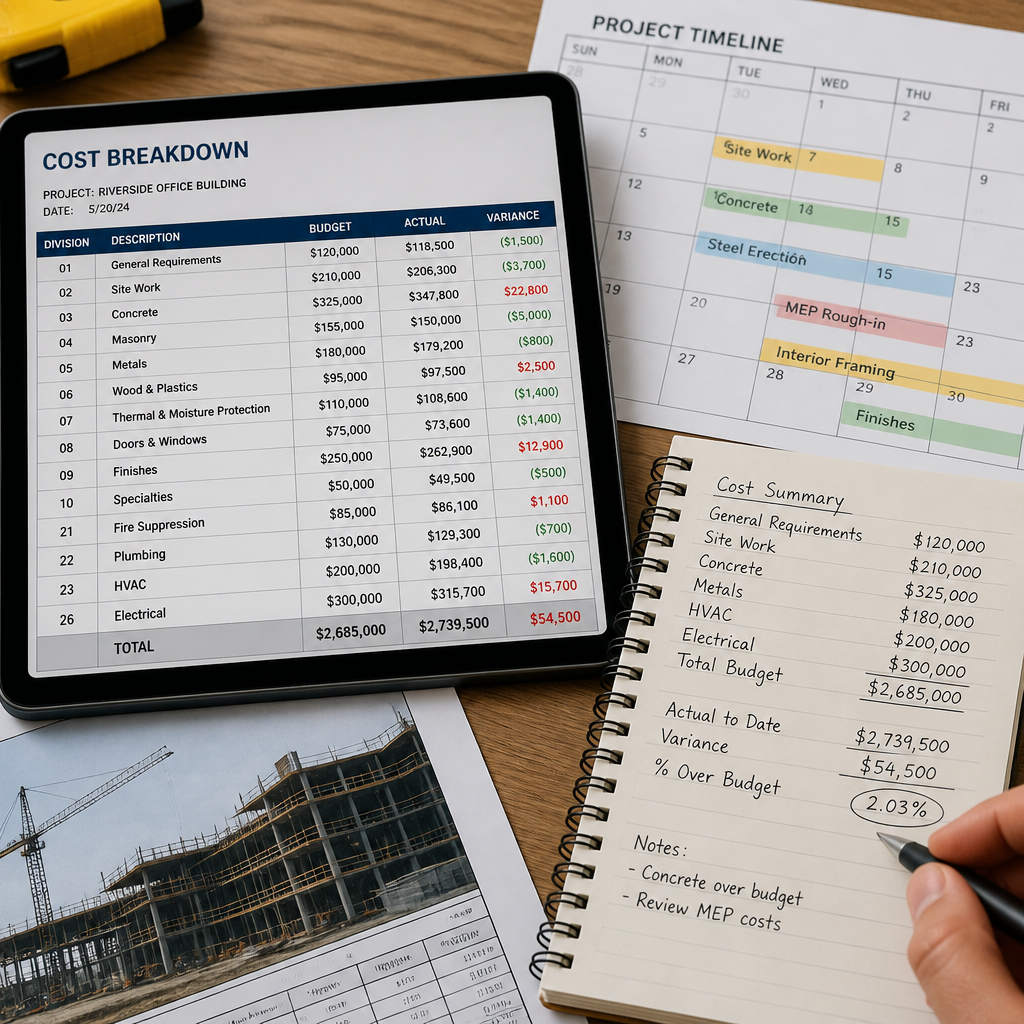
Pro tip: When preparing your construction project budget, allocate a separate line item for builders cleaning rather than treating it as part of general preliminaries. This makes the cost visible and prevents it from being absorbed or cut when preliminaries are squeezed late in the project.
Comparing Your Options: DIY, Generalist Cleaners, and Specialist Builders Cleaners
Builders and developers in Auckland typically consider three approaches when it comes to post-construction cleaning. The right choice depends on the project type, scale, and handover requirements.
| Approach | Best Suited For | Key Risks and Considerations |
|---|---|---|
| DIY or using on-site labourers | Very small residential projects with minimal trades involvement, where the builder has adequate time and equipment | Construction dust is a health hazard without HEPA filtration equipment. Labourers without cleaning expertise frequently cause surface damage. Result is rarely of handover standard for commercial or residential sales projects. No insurance cover for damage to finished surfaces. |
| Generalist commercial cleaning company | Light-touch tidy-up on a relatively clean site where trades have been well-managed and progressive cleaning has occurred | Most standard commercial cleaners do not carry the specialised chemicals or equipment for adhesive removal, concrete residue, or paint overspray. Risk of surface damage and a result that does not meet handover expectations. May not carry adequate public liability insurance for construction site work. |
| Specialist builders cleaning company | Any commercial fitout, multi-unit residential, medical, school, or retail project requiring a handover-standard result | Higher upfront cost than generalist options but lower risk of damage, rework, or handover delays. Should carry public liability insurance. Provides a documented scope and can often offer progressive clean scheduling alongside the final clean. The appropriate choice for any project where the finished result matters to the client. |
In practice, the false economy of using a generalist cleaner or on-site labour for a post-construction clean on a commercial project is one of the most common and most avoidable cost errors in the Auckland construction market. The rework cost when a surface is damaged by incorrect cleaning chemistry, or when a client rejects a handover because the site is not clean to standard, exceeds the cost difference between approaches in almost every case.
Common Mistakes Builders and Developers Make When Budgeting
Having worked across commercial cleaning for a range of construction projects in Auckland and Christchurch, certain errors come up repeatedly. Knowing them in advance saves you money and avoids programme delays.
Treating the Builders Clean as the Last Line Item
Post-construction cleaning is frequently left until the very end of the project budget process, treated as a minor site cost rather than a planned scope item. The result is that it either gets cut when the budget is under pressure, or it gets booked at the last minute at a premium rate. Build it into your project budget at the start, as a specific line item with a realistic allowance based on floor area and project type.
Quoting on Floor Area Alone Without a Site Visit
A 1,000 square metre office fitout and a 1,000 square metre warehouse shell are not the same cleaning job. Always request a site visit before accepting a quote, and always provide the cleaning contractor with an accurate description of what the site condition will be at the time of cleaning. A quote generated from a floor plan number alone is unlikely to match the actual cost.
Assuming One Clean Is Enough for a Larger Build
On projects that run over several months, a single final clean at handover is often not sufficient. Construction dust and debris accumulate continuously, and trades returning to complete defects work after an initial clean can undo hours of cleaning effort. For larger projects, schedule a rough clean before the final stage, and clarify with your cleaning contractor what happens if trades return after the final clean has been completed.
Not Confirming Insurance and Compliance
Any cleaning contractor working on a construction site in Auckland should carry current public liability insurance. This is non-negotiable on commercial sites and increasingly expected on multi-unit residential projects. Ask for a copy of the certificate of currency before work begins. A cleaning company that cannot provide this is a liability risk to your project.
How to Get an Accurate Quote and Avoid Scope Creep
Getting a quote that actually reflects what you will pay requires preparation on your side as the builder or developer. Cleaning contractors can only price what they know about, and vague briefs produce vague quotes that grow once the work begins.
What to Provide When Requesting a Quote
Give your cleaning contractor the total floor area by level, a description of the finishes involved (polished concrete, carpet, tile, timber, painted surfaces), a list of specific items to be cleaned (windows inside and out, external cladding, kitchen appliances, bathrooms), the expected site condition at the time of cleaning, your required completion date and any access restrictions, and confirmation of whether rubbish removal is included or handled separately.
Clarify What Is and Is Not in the Scope
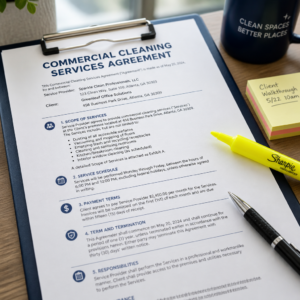
Scope creep is the most common cause of post-construction cleaning disputes. If the base quote does not include external window cleaning, floor sealing, or carpet cleaning, confirm this in writing before signing off. Add those items as separate line items if they are required, and price them at the quote stage rather than discovering them as variations once the job is underway.
At Triple Star Commercial Cleaning, we cover builders cleaning and post-construction cleaning across both Auckland and Christchurch, including for commercial fitouts, medical centres, schools, and multi-unit residential projects. Our team provides site-based quotes that itemise the scope clearly, so you know exactly what the cost covers before work begins. We carry public liability insurance and work as an UpstreamNZ approved supplier. If you are planning a project and want an accurate cost, a site visit and a written scope is where that conversation starts. You can reach us at Triple Star Commercial Cleaning to discuss your project requirements.
Frequently Asked Questions
How long does a post-construction clean take for a typical Auckland commercial fitout?
The duration depends heavily on floor area, site condition, and scope. A small office fitout of under 200 square metres in reasonable condition might be completed in a day by a small crew. A 1,000 square metre commercial fitout with multiple bathrooms, a kitchen, and a high-dust construction finish will typically require multiple days and a larger crew. Always discuss timeline with your contractor at the quoting stage so it fits into your handover programme.
Is post-construction cleaning different from end of lease cleaning?
Yes, they are different services. End of lease cleaning is designed to return an occupied property to a clean and presentable state for a new tenant or owner, and it deals primarily with the residues of normal occupancy. Post-construction cleaning addresses the specific contaminants left by construction trades: concrete, adhesive, paint overspray, silicone, and fine construction dust. The products, equipment, and techniques required are different, and the labour intensity is typically higher for a builders clean than for an end of lease clean of the same floor area.
Do I need to provide access to water and power for the cleaning crew?
Yes. A professional builders cleaning crew will need access to a cold water supply and standard power outlets for vacuum equipment and other powered tools. If the site is not yet connected to services at the time of cleaning, you need to discuss this with your contractor in advance, as it affects the equipment they can bring and the methods they can use. Confirm site services availability when booking.
What should I do if trades return after the final builders clean?
This is a common problem on construction projects. If trades return to complete defects work after the final clean, any soiling or damage they cause is not covered by the original cleaning scope. You will need to either schedule a touch-up clean or, if the damage is significant, a partial re-clean. The best approach is to sequence your programme so that all trades work is genuinely complete before the final clean begins. Discuss with your contractor what a touch-up visit would cost so you have a contingency figure if it is needed.
Does Triple Star Commercial Cleaning provide post-construction cleaning across all of Auckland?
Yes. Triple Star Commercial Cleaning provides builders cleaning and post-construction cleaning services across Auckland for commercial fitouts, office buildings, medical centres, schools, retail sites, and multi-unit residential projects. We also operate in Christchurch. All sites are covered by public liability insurance, and we are an UpstreamNZ approved supplier. We provide site-based quotes rather than phone estimates, so the price you receive reflects the actual scope of work.
Can the same cleaning company handle both the rough clean during construction and the final pre-handover clean?
Yes, and this is generally the most efficient approach. Using the same contractor for both stages means they understand the site, the finishes, and the standard required before they arrive for the final clean. It also simplifies scheduling and accountability. When requesting a quote, ask whether the contractor offers multi-stage clean packages and what the pricing structure looks like for combining a rough clean with a final clean compared to booking them separately.
Have you managed the cleaning handover on a construction project in Auckland? We would like to hear what worked well and what caught you off guard when it came to budgeting and scheduling.