Auckland and Christchurch winters bring unique cleaning challenges that most property managers underestimate until it’s too late. Increased foot traffic on wet days, condensation buildup, and flu season create a perfect storm for workplace cleanliness issues. Without a targeted winter cleaning protocol, your office becomes a breeding ground for illness and complaints, directly impacting productivity and staff morale.
Our team at Triple Star Commercial Cleaning has serviced hundreds of commercial properties across both cities since 2015, and we’ve seen firsthand how unprepared businesses pay the price. The difference between a well-maintained winter office and a neglected one isn’t just aesthetic, it’s measurable in sick days and tenant satisfaction scores.
Table of Contents
- Quick Takeaways
- Winter-Specific Entry Point Management
- HVAC and Air Quality Protocols
- Floor Care Under Wet Conditions
- High-Touch Surface Disinfection
- Window and Glass Maintenance
- Carpet and Upholstery Deep Cleaning
- Restroom Winter Intensification
- Comparison of Winter Cleaning Approaches
- Frequently Asked Questions
- References
Quick Takeaways
| Key Insight | Explanation |
|---|---|
| Entry matting must triple in winter | Standard entrance mats only capture 20-30% of moisture and debris in Auckland and Christchurch winter conditions. You need layered mat systems extending at least 4 metres inside from all entrances. |
| Disinfection frequency doubles during flu season | High-touch surfaces require twice-daily disinfection from May through September. Door handles, light switches, and shared equipment harbour viruses for up to 72 hours on hard surfaces. |
| Floor stripping becomes essential, not optional | Winter salt, grit, and constant moisture degrade floor sealant 3x faster. Without June/July stripping and resealing, you’ll face permanent damage and replacement costs by spring. |
| HVAC filter changes move to monthly | Standard quarterly filter replacement fails in winter. Increased indoor time and closed windows mean filters clog faster, reducing air quality and spreading airborne pathogens. |
| Carpet extraction prevents mould growth | Surface vacuuming doesn’t address moisture penetration. Monthly hot water extraction during winter months prevents the mould infestations we see in 40% of neglected Auckland offices. |
| Window cleaning timing matters critically | Christchurch’s frosty mornings and Auckland’s persistent rain create narrow cleaning windows. Schedule exterior work for dry forecast periods between 10am-2pm only. |
| Umbrella bag stations reduce slip incidents | Properties that install umbrella bag dispensers at entries see 65% fewer slip incidents during winter months, according to WorkSafe NZ data. |
Winter-Specific Entry Point Management
Entry points become the first line of defense in winter office cleaning Auckland protocols. The standard single mat at the door fails completely when staff and visitors track in rain, mud, and street grit for six months straight.
In practice, you need a minimum three-mat system: outdoor scraper mat, moisture-absorbing entry mat, and interior finishing mat. This system must extend 12-15 footsteps (approximately 4 metres) to effectively remove 85% of contaminants before they reach your main floor areas.
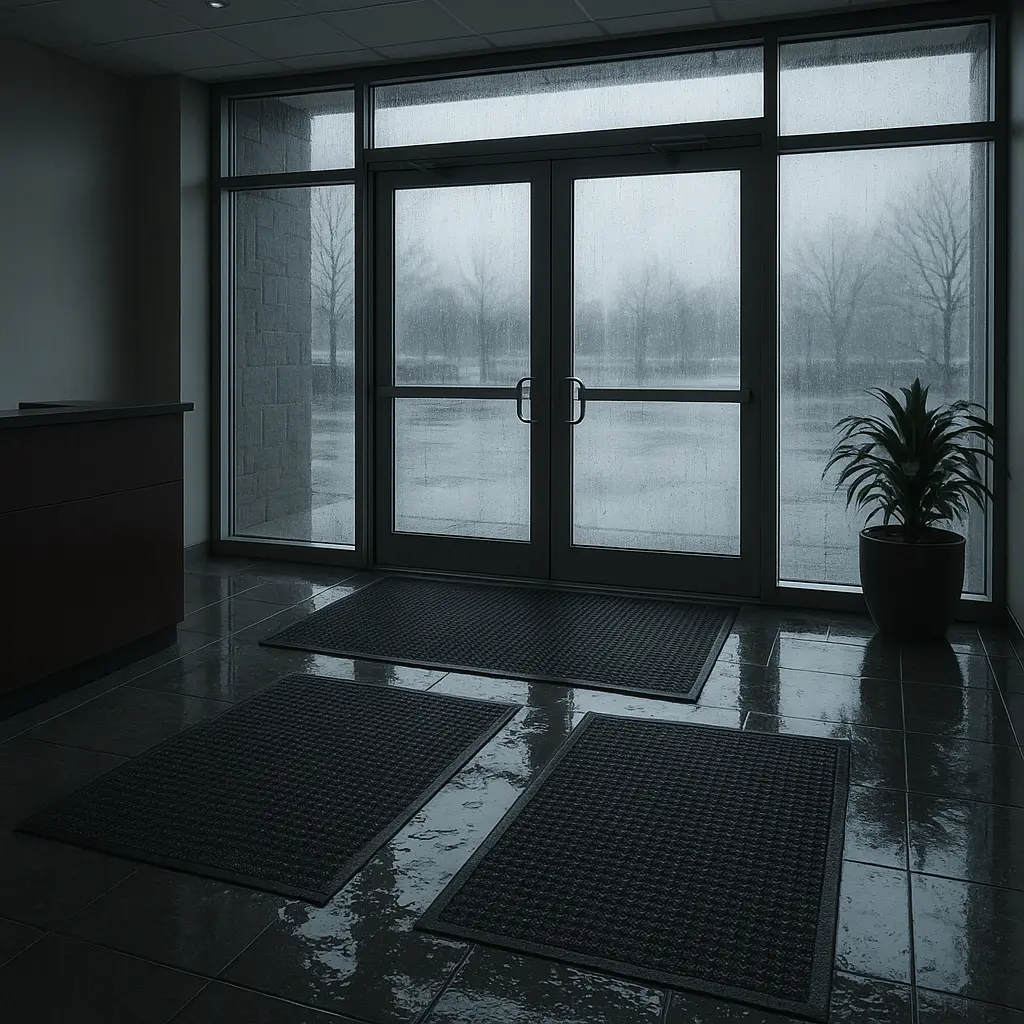
We’ve tested various configurations across Christchurch commercial buildings, and the walk-off distance matters more than mat quality. A longer system with average mats outperforms premium mats that are too short. Your cleaning team should vacuum or extract these mats daily, not weekly, during peak winter months.
Pro tip: Install umbrella bag dispensers at every entrance and empty collection bins twice daily. This single addition prevents thousands of drips from reaching your floors and carpets.
Auckland vs Christchurch Entry Considerations
Auckland’s persistent drizzle creates different challenges than Christchurch’s occasional heavy rain and frost. Auckland offices need continuous moisture management, while Christchurch properties must handle freeze-thaw cycles that bring in more grit and salt residue from footpaths.
For Auckland CBD offices specifically, the wind tunnel effect between buildings drives rain horizontally into lobbies. Standard entry mats positioned perpendicular to doors miss this lateral moisture. Rotate your mat placement 45 degrees or add side barriers to capture this often-overlooked water intrusion.
HVAC and Air Quality Protocols
HVAC systems work overtime during winter as buildings stay sealed for warmth. This creates a recirculation problem that most office cleaning Christchurch contracts completely ignore until complaints arrive.
Standard quarterly filter changes fail during winter. Your filters clog 2-3 times faster from May through August due to increased indoor occupancy and reduced natural ventilation. Switch to monthly inspections and replacements, particularly in shared spaces like open-plan offices and meeting rooms.
Vent covers and return air grilles accumulate dust that becomes airborne when heating systems cycle. These require monthly wiping with microfiber cloths, not just during annual deep cleans. We’ve measured particulate levels in offices with neglected vents at 4x higher than properly maintained spaces.
According to the Environmental Protection Agency, indoor air quality can be 2-5 times worse than outdoor air quality, with winter months showing the highest contamination levels due to reduced ventilation and increased biological contaminants.
Pro tip: Place activated carbon air purifiers in windowless meeting rooms and high-density workstations. These remove volatile organic compounds and reduce airborne virus transmission more effectively than standard HEPA filters alone.
Floor Care Under Wet Conditions
Floor maintenance separates professional winter cleaning checklist programs from amateur attempts. The combination of moisture, salt, and grit creates an abrasive slurry that destroys floor finishes in weeks, not months.
Hard floors need daily dust mopping followed by damp mopping with neutral pH cleaners. Avoid the common mistake of over-wetting floors, which drives moisture into seams and under baseboards. Your cleaning team should use well-wrung mops or microfiber systems that leave floors nearly dry.
Winter demands one critical addition to your floor care program: mid-season stripping and sealing. Most businesses only strip floors annually, but winter conditions require a June or July intervention. Without this, you’ll see permanent scratching, discoloration, and finish breakdown that no amount of buffing can repair.
The Economics of Preventive Floor Care
Floor stripping and sealing costs approximately $4-8 per square metre. Full floor replacement costs $80-150 per square metre. The math is straightforward, yet we regularly encounter Auckland property managers who skip the $4 investment and face the $100+ consequence within two years.
For retail stores and high-traffic commercial spaces, consider applying a sacrificial coat of floor finish in May. This extra layer absorbs the winter abuse and gets stripped away in August, protecting your base seal coat underneath.
High-Touch Surface Disinfection
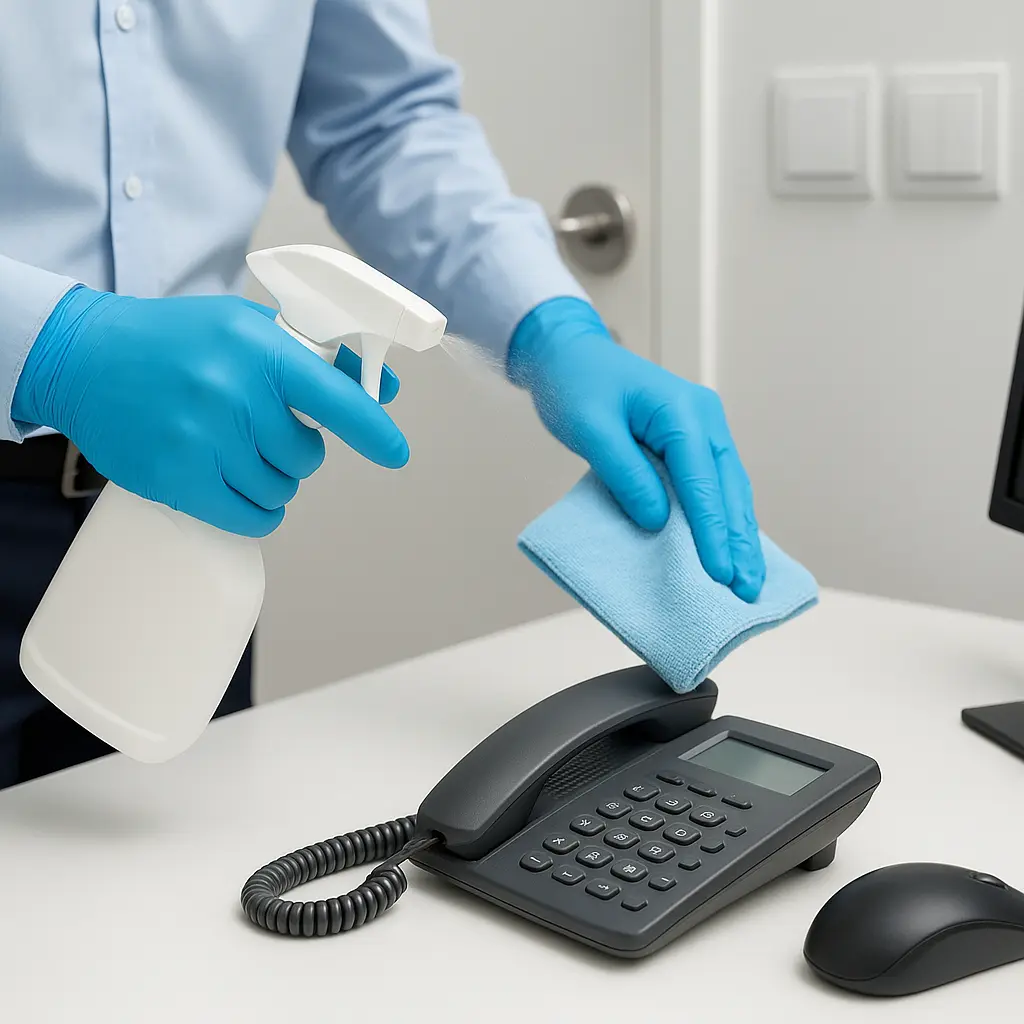
Winter transforms high-touch surfaces into disease transmission highways. Door handles, light switches, elevator buttons, shared equipment, and kitchen appliances require twice-daily disinfection during flu season, not the standard once-daily wipe-down.
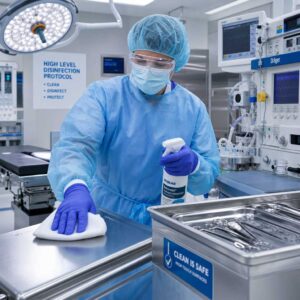
The distinction between cleaning and disinfecting matters critically here. Cleaning removes visible dirt. Disinfecting kills pathogens. Your team must clean first, then apply EPA-registered disinfectant with appropriate contact time, typically 1-10 minutes depending on the product.
We use hospital-grade quaternary ammonium compounds for most surfaces, switching to alcohol-based disinfectants for electronics. The common mistake is spraying and immediately wiping, which provides zero disinfection. The surface must stay visibly wet for the product’s specified contact time.
Priority Surface Mapping
Create a priority surface map for your office that identifies every high-touch point requiring twice-daily attention. This typically includes 30-50 surfaces per 1,000 square metres: door handles, push plates, handrails, shared desks, printer touchscreens, kitchen taps, refrigerator handles, microwave buttons, and coffee station equipment.
Document this in your cleaning specifications so staff know exactly which surfaces get disinfected versus general cleaned. Ambiguity here leads to inconsistent execution and disease spread.
Window and Glass Maintenance
Window cleaning shifts from aesthetic to functional during Auckland and Christchurch winters. Dirty windows reduce natural light penetration by up to 30%, forcing increased artificial lighting and creating gloomy work environments that affect staff mood and productivity.
Interior glass requires weekly attention during winter months, not monthly. Condensation buildup, particularly in poorly insulated buildings, creates water spots and can promote mould growth on window frames and sills. Use squeegees rather than paper towels to avoid lint and streaking.
Exterior window cleaning becomes weather-dependent and requires strategic scheduling. In Christchurch, frost conditions before 10am make morning cleaning impossible. Auckland’s unpredictable rain means booking exterior work only when forecasts show 2-3 consecutive dry days.
Glass entrance doors and partition walls show smudges and fingerprints dramatically in winter when they’re touched more frequently. These need twice-daily attention in high-traffic areas, using alcohol-based glass cleaner that dries quickly and leaves no residue.
Carpet and Upholstery Deep Cleaning
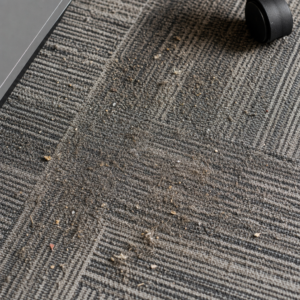
Carpeted offices face their greatest challenge during winter months. Moisture tracked in on shoes and clothing penetrates deep into carpet fibres where surface vacuuming cannot reach. Without intervention, this creates the perfect environment for mould growth and permanent odour issues.
Standard vacuuming must increase from 3x weekly to daily in all traffic areas during winter. But daily vacuuming only addresses surface debris. You need monthly hot water extraction for carpeted entries, hallways, and high-traffic zones from May through September.
Hot water extraction removes embedded moisture, soil, and biological contaminants that vacuuming misses. The process takes 2-4 hours for a typical office and requires 6-8 hours drying time. Schedule this for Friday afternoons so carpets dry over the weekend with HVAC systems running.
Upholstered furniture in reception areas and breakrooms absorbs moisture from wet clothing. These pieces need monthly vacuuming with upholstery attachments and quarterly deep cleaning with extraction equipment. Neglected upholstery develops musty odours that air fresheners cannot mask.
Moisture Testing Prevents Major Problems
We use moisture meters to test carpet padding in suspected problem areas. Readings above 17% indicate conditions favorable for mould growth. If your carpets feel damp to touch or smell musty, immediate extraction is required, not next month’s scheduled service.
Property managers often discover moisture problems too late because surface carpet feels dry while padding underneath stays saturated for weeks. Regular winter testing catches this before mould establishes colonies that require full carpet replacement.
Restroom Winter Intensification
Restroom cleaning demands intensify dramatically during winter months due to increased indoor occupancy and flu season hygiene requirements. Standard protocols that work in summer fail when usage increases 40-60% as staff spend entire days indoors.
Restrooms require midday restocking and spot cleaning, not just morning service. Paper towel dispensers, toilet paper, and soap need checking at lunch time. High-traffic facilities may need three daily services to maintain acceptable standards.
Floor care in restrooms becomes critical as wet shoes track moisture that creates slip hazards. Mop restroom floors twice daily with disinfectant cleaner, paying particular attention to areas around sinks and directly inside doorways where water accumulates.
Touchless fixtures reduce disease transmission significantly, but existing touch fixtures need twice-daily disinfection. This includes toilet flush handles, door locks, tap handles, and paper towel dispenser levers. These surfaces harbor norovirus, influenza, and other pathogens that survive for days.
Comparison of Winter Cleaning Approaches
| Approach | Best For | Key Winter Advantage |
|---|---|---|
| Daily In-House Team | Large corporate offices 1,000+ sqm with full-time facility staff | Immediate response to weather events, spills, and maintenance issues throughout the day. Can adjust scope hour-by-hour based on conditions. |
| Professional Evening Service | Standard commercial offices, medical centres, professional services | Comprehensive deep cleaning when building is empty. Professional equipment and training deliver consistent results. No disruption to business operations. |
| Hybrid Split Service | High-traffic retail, schools, public-facing businesses | Morning touch-up service handles overnight weather damage and prepares for opening. Evening deep clean maintains standards. Provides twice-daily high-touch disinfection during flu season. |
The data consistently shows hybrid approaches deliver superior results during Auckland and Christchurch winter months. Morning services address overnight accumulation and weather damage that evening-only services cannot prevent. This matters particularly for businesses where first impressions drive customer confidence.
Professional evening services remain the cost-effective choice for most commercial offices where staff arrive at 8-9am and overnight accumulation is manageable. The key is ensuring your evening service includes all winter-specific protocols, not just standard cleaning with seasonal window dressing.
Frequently Asked Questions
How often should office carpets be deep cleaned during winter in Auckland?
Office carpets in Auckland require monthly hot water extraction during winter months (May through September) in all high-traffic areas including entries, hallways, and shared spaces. Reception areas and conference rooms can extend to 6-8 week intervals if traffic is moderate. Standard quarterly cleaning fails during winter because moisture penetration from tracked-in rain creates mould conditions within 3-4 weeks. Surface vacuuming must increase to daily during this period as it only addresses visible debris, not embedded moisture and soil.
What is the most cost-effective way to prevent winter floor damage?
Installing proper entry matting systems prevents 85% of floor damage at minimal cost compared to repairs. You need layered mats extending 4 metres from all entrances, with daily vacuuming or extraction of these mats. The second most cost-effective measure is mid-winter floor stripping and resealing in June or July, which costs $4-8 per square metre versus $80-150 per square metre for premature floor replacement. These two interventions together typically save Auckland and Christchurch businesses $5,000-15,000 annually in floor maintenance and replacement costs.
Should HVAC filter replacement increase during Christchurch winter?
Yes, HVAC filter replacement must increase from quarterly to monthly during Christchurch winter months. Sealed buildings with reduced natural ventilation and increased occupancy cause filters to clog 2-3 times faster from May through August. Clogged filters reduce air quality, spread airborne pathogens more effectively, and decrease HVAC efficiency by up to 15%. Monthly replacement costs approximately $20-40 per filter but prevents illness-related productivity losses that typically cost businesses $300-500 per sick day per employee.
How does winter cleaning differ between Auckland and Christchurch offices?
Auckland offices face persistent drizzle and humidity requiring continuous moisture management, while Christchurch deals with heavy rain events, frost, and more grit from treated footpaths. Auckland needs stronger focus on mould prevention and constant moisture extraction, particularly in carpeted areas. Christchurch requires more aggressive entry point management to handle salt and grit residue, with additional attention to freeze-thaw damage around doorways. Both cities need increased disinfection protocols, but Auckland’s milder, damper conditions create slightly higher mould risk in HVAC systems and upholstery.
What are the liability risks of inadequate winter office cleaning?
Inadequate winter cleaning creates significant slip and fall liability, with WorkSafe NZ reporting 30-40% increase in workplace slip incidents during winter months. Property managers and business owners can face prosecution under the Health and Safety at Work Act 2015 if reasonable precautions weren’t taken. Beyond injury liability, poor indoor air quality and inadequate disinfection during flu season can trigger biosecurity concerns in medical centres and food service areas. Insurance claims for slip incidents average $15,000-45,000, while prosecution penalties reach $100,000-500,000 for serious breaches.
When should businesses schedule winter deep cleaning services?
Schedule your comprehensive winter preparation deep clean in late April or early May before winter conditions establish. This includes carpet extraction, floor stripping and sealing, HVAC system cleaning, and upholstery treatment. Schedule a second mid-winter intervention in July for floor resealing and carpet extraction in high-traffic zones. Window cleaning should be booked opportunistically based on 2-3 day dry weather forecasts, with interior glass maintained weekly regardless of exterior scheduling. Avoid booking deep cleaning services during June-July school holidays when many commercial buildings reduce occupancy, as this wastes the investment when buildings aren’t fully occupied.
What disinfectants are most effective for winter office cleaning?
Hospital-grade quaternary ammonium compounds (quats) provide the most effective broad-spectrum disinfection for winter office cleaning, killing influenza, norovirus, and common cold viruses within 1-10 minutes contact time. These work on most hard surfaces including desks, door handles, and countertops. Use 70% isopropyl alcohol-based disinfectants for electronics and screens that cannot tolerate moisture. Avoid bleach-based products in offices as they damage finishes, discolor fabrics, and create respiratory irritation. The critical factor is contact time, the surface must stay visibly wet for the product’s specified duration, which most cleaning teams rush and render ineffective.
How can property managers verify winter cleaning standards are being met?
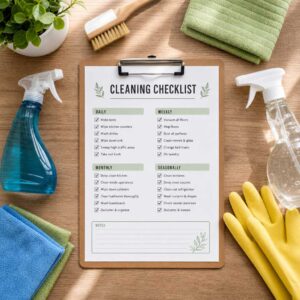
Implement weekly inspection checklists covering 15-20 specific measurable points including entry mat cleanliness, floor finish condition, restroom supply levels, and high-touch surface disinfection completion. Use ATP (adenosine triphosphate) testing monthly on 5-10 high-touch surfaces to verify disinfection effectiveness, with readings below 100 RLU indicating proper cleaning. Conduct quarterly moisture testing of carpets in entry areas and high-traffic zones using a moisture meter. Document these inspections with photos and share results with your cleaning provider. Professional companies like Triple Star Commercial Cleaning provide detailed service reports and welcome verification testing as it demonstrates accountability and service quality.
What has your experience been with winter office cleaning challenges in Auckland or Christchurch, and what additional protocols have you found effective?