
Bond disputes in New Zealand cost tenants hundreds of dollars every year, and the leading cause is not damage to walls or carpets. It is cleaning. According to Tenancy Services NZ, cleanliness is cited in the majority of bond dispute claims filed annually. If you are preparing to vacate a rental property in Christchurch or you are a landlord processing a new tenancy, understanding exactly what end of lease cleaning in Christchurch involves will save you time, money, and a tribunal hearing. This article covers the legal obligations, common failure points, and how to choose a cleaning team that actually delivers bond-back results.
Table of Contents
- Quick Takeaways
- What Is End of Lease Cleaning and Why It Matters in Christchurch
- Legal Obligations for Tenants and Landlords Under NZ Tenancy Law
- What a Professional End of Lease Clean Should Include
- Bond Cleaning vs Regular Cleaning: Why the Difference Matters
- Common Mistakes Tenants Make That Cost Them Their Bond
- How to Choose the Right End of Lease Cleaning Company in Christchurch
- What Landlords and Property Managers Should Expect and Enforce
- Frequently Asked Questions
- References
Quick Takeaways
| Key Insight | Explanation |
|---|---|
| Cleanliness is the top bond dispute trigger | Tenancy Services NZ data consistently shows that inadequate cleaning at vacating is the most common reason landlords retain bond money. |
| The property must be returned to move-in condition | NZ tenancy law requires tenants to leave the property reasonably clean, accounting for fair wear and tear. This is not the same as “tidy”. |
| A professional service provides documented proof | A written invoice and completion checklist from a professional cleaner is strong evidence in a Tenancy Tribunal hearing. |
| Carpet and upholstery cleaning is often forgotten | Many tenants clean surfaces but neglect carpets. If carpets were professionally cleaned at move-in, the same standard must be met at vacating. |
| Not all cleaners understand bond-back requirements | A general cleaner and a specialist end of lease cleaner work to very different standards. The checklist a specialist uses is based on what property managers actually inspect. |
| Landlords cannot charge for cleaning beyond actual condition | Landlords must prove the property was left in a worse state than at the start of the tenancy, minus fair wear and tear. They cannot charge for speculative or preventive cleaning. |
| Timing matters significantly in Christchurch | Booking end of lease cleaning 5 to 7 days before your vacate date gives you time for a re-clean if the property manager raises concerns at inspection. |
What Is End of Lease Cleaning and Why It Matters in Christchurch
End of lease cleaning, also called bond cleaning or end of tenancy cleaning, is a thorough, top-to-bottom clean of a rental property carried out when a tenant vacates. It is not a routine tidy. It covers every surface, fixture, appliance, and space in the property, from grease buildup inside the oven to limescale on shower screens to dust on skirting boards.
In Christchurch, the rental market is active. Property managers are managing multiple tenancies simultaneously, and their inspection standards reflect that volume. A property that passes inspection quickly means a landlord can re-let faster. A property that fails means delays, re-inspections, potential tribunal applications, and a tenant who loses part or all of their bond. The financial stakes are real on both sides.
The broader Christchurch rental environment has also changed since the post-earthquake rebuild. Many properties in suburbs like Rolleston, Halswell, and Pegasus are newer builds with specific finish expectations. Landlords of these properties tend to inspect at a higher standard than those managing older central-city stock. This makes professional-grade cleaning even more important for tenants vacating modern homes.

Legal Obligations for Tenants and Landlords Under NZ Tenancy Law
Under the Residential Tenancies Act 1986 (RTA), tenants in New Zealand are legally required to leave a property in a reasonably clean and tidy condition at the end of their tenancy. The key phrase is “reasonably clean,” which the Tenancy Tribunal interprets against the condition the property was in when the tenant moved in.
What the Tenancy Tribunal Actually Looks At
The Tribunal compares the ingoing inspection report with the outgoing inspection report. If the ingoing report noted clean carpets and a clean oven, the tenant is expected to return the property in that same condition. Fair wear and tear is allowed, which covers normal deterioration from everyday use, but it does not cover grease, mould, or general grime that accumulated due to a lack of cleaning.
Landlords have 10 working days from the end of the tenancy to lodge a bond refund or dispute claim. If the landlord wants to retain bond money for cleaning, they need documented evidence, including photos, inspection reports, and quotes or invoices from cleaning contractors. Without this documentation, the Tribunal is unlikely to side with the landlord.
What Landlords Cannot Do
A common misunderstanding among landlords and property managers is that they can charge for a full professional clean every time a tenant vacates, regardless of the property’s actual condition. This is incorrect. If the tenant has left the property genuinely clean and the inspection report confirms this, charging for additional cleaning is unlawful under the RTA. Landlords can only deduct costs that relate to work that was actually required because of the tenant’s failure to clean.
“The test for cleanliness under the Residential Tenancies Act is whether the property has been left in a reasonably clean and tidy condition, having regard to its condition at the commencement of the tenancy.” – Tenancy Services New Zealand
What a Professional End of Lease Clean Should Include
A professional bond cleaning service in Christchurch follows a structured checklist that mirrors what property managers inspect. Anything missing from this checklist is a risk to the bond refund. Here is what a properly scoped end of lease clean covers.
Kitchen
The kitchen is almost always the hardest area to clean after a tenancy. This includes degreasing the oven interior and grill, cleaning rangehood filters, wiping down all cupboards inside and out, cleaning the splashback, descaling the sink, and cleaning all benchtop surfaces. Appliances like dishwashers, microwaves, and fridges need to be cleaned inside and out if they are included in the tenancy.
Bathrooms and Toilets
Bathrooms require descaling of showerheads, taps, and tiles. Shower screens need to be completely clear of soap scum and limescale. The toilet must be cleaned thoroughly including the base, cistern, and seat. Grout lines, exhaust fans, and mirrors all need attention. Mould on silicone or grout is a consistent inspection failure point and must be treated, not just wiped over.
Living Areas and Bedrooms
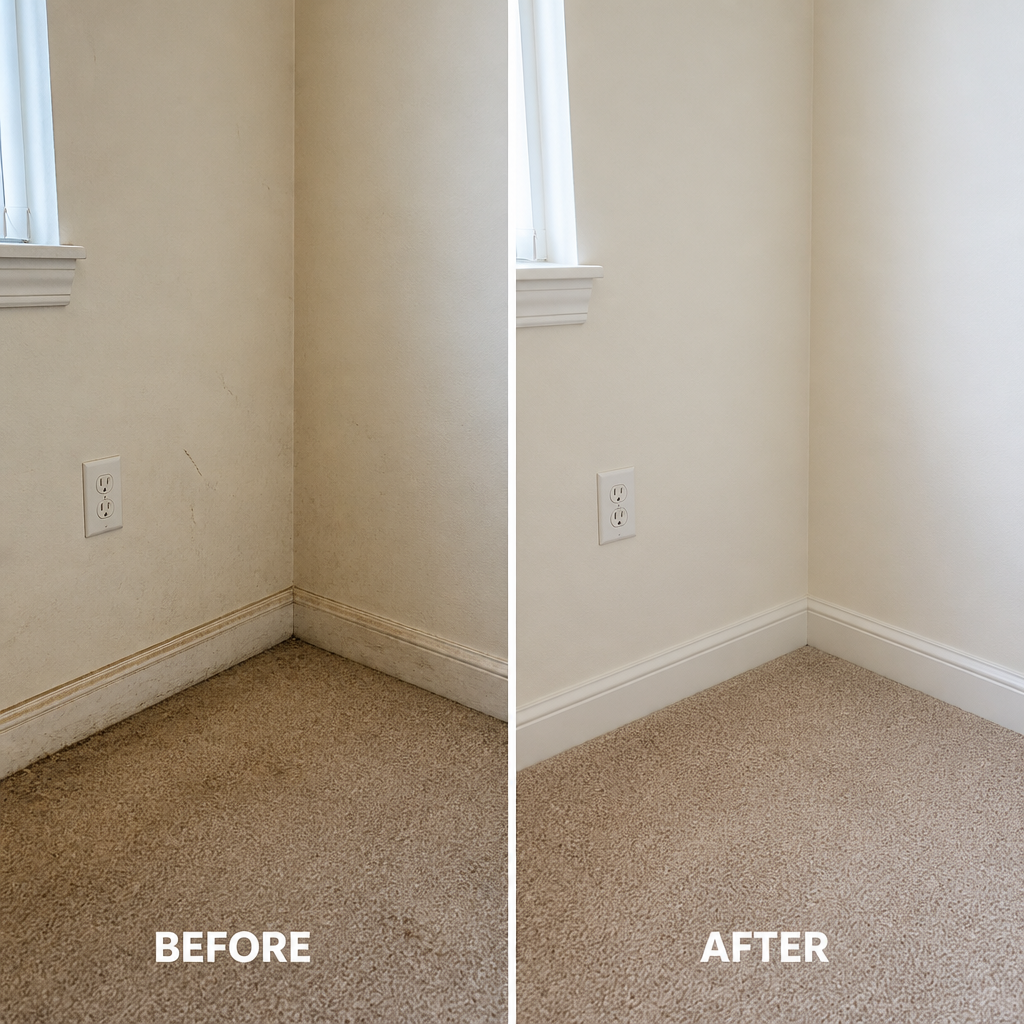
Skirting boards, light switches, window sills, and door frames accumulate significant dust and marks over a tenancy. These surfaces are checked closely during inspections. All windows should be cleaned on the interior side. Curtain tracks and blinds need dusting. Marks on walls must be assessed against fair wear and tear rules, but obvious handprints or scuff marks within reach should be cleaned.
Carpets and Flooring
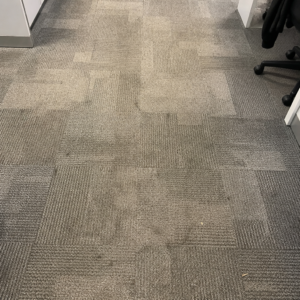
If the property had carpets at the start of the tenancy and the ingoing report noted they were professionally cleaned, the tenant is expected to have them professionally cleaned on vacating. This means engaging a carpet cleaning service, not simply vacuuming. Hard floors should be swept, mopped, and inspected for product buildup. Triple Star Commercial Cleaning provides both carpet cleaning and end of lease cleaning as part of a complete bond-back service, which reduces the coordination burden for tenants managing multiple contractors.
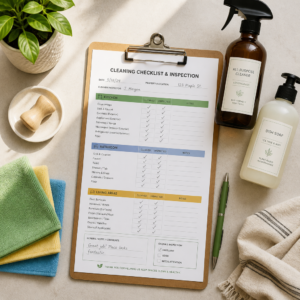
Pro tip: Always request a written itemised checklist from your cleaning company before the job starts. Take this checklist to the final inspection so you can address any queries on the spot with documented evidence of what was completed.
Bond Cleaning vs Regular Cleaning: Why the Difference Matters
Many tenants make the mistake of hiring a general cleaner for their end of lease clean. The result is often a property that looks visually clean but fails the formal inspection because specific items were missed or not cleaned to the required standard. Understanding this distinction is important before you book.
| Cleaning Type | Standard Applied | Suitable for Bond Return |
|---|---|---|
| Regular Maintenance Clean | Surface-level cleaning of visible areas. No detailed attention to ovens, grout, or hidden surfaces. Typically completed in 1 to 2 hours for an average home. | No. Does not meet inspection standards. |
| Professional End of Lease Clean | Full checklist-driven clean covering all areas, fixtures, appliances, and surfaces. Completed against a bond-back standard. Takes 4 to 8 hours for an average 3-bedroom home. | Yes. Meets Tenancy Tribunal and property manager standards. |
| DIY Tenant Clean | Variable. Quality depends entirely on the tenant’s time, skill, and equipment. High-risk approach if the ingoing condition was clean and documented. | Possible, but high risk of inspection failure, particularly for ovens, carpets, and mould areas. |
The time investment is the biggest practical difference. In practice, a tenant cleaning a 3-bedroom Christchurch home themselves typically underestimates the time required by 50% or more. What looks like a 4-hour job routinely takes 8 to 10 hours when done to the standard required for a bond refund.

Common Mistakes Tenants Make That Cost Them Their Bond
After years of working in commercial and residential cleaning across Christchurch, the same errors appear repeatedly at end of lease inspections. These are not obscure oversights. They are consistent, predictable failures that cost tenants money and could be avoided entirely.
Not Reading the Ingoing Inspection Report
The ingoing report is the benchmark. Tenants who do not check it before cleaning have no clear target. If the report noted the oven was clean, the carpets were professionally cleaned, and the windows were streak-free, those are the exact standards that need to be matched at vacating. Cleaning without referencing the ingoing report is guesswork.
Leaving Cleaning Until the Day Before Handover
Booking a cleaner for the day before key handover leaves zero time for corrections. If the property manager identifies issues at inspection, there is no opportunity to address them before the tenancy ends. Booking 5 to 7 days before the vacate date creates a buffer for a re-clean or spot treatment if required.
Ignoring Outdoor Areas and Garages
In Christchurch homes with outdoor spaces, garages, or decks, these areas are part of the tenancy and must be returned in the same condition. Oil stains on garage floors, debris in gardens, and dirty decks are common inspection failures. The lease agreement will specify the extent of outdoor obligations.
Assuming a Receipt Is Enough Without a Checklist
Presenting a cleaning invoice at inspection is helpful, but a receipt alone does not guarantee bond return. The property manager will still physically inspect. What protects the tenant is a combination of a receipt from a reputable company and a completed itemised checklist showing what was cleaned. Triple Star Commercial Cleaning provides documentation to support exactly this kind of evidence trail for tenants and property managers.
Pro tip: Photograph every area after cleaning is completed, before you return the keys. Time-stamped photos on your phone create a personal evidence record that supports your position if a bond dispute arises weeks later.
How to Choose the Right End of Lease Cleaning Company in Christchurch
The Christchurch cleaning market has a wide range of providers, from solo operators working weekends to established commercial cleaning companies with structured processes. Not all of them understand what a bond cleaning standard actually requires. Here is what to look for and what to avoid.
What Actually Matters When Comparing Cleaners
The most important factor is whether the company uses a fixed checklist aligned to property management inspection requirements. Ask to see their end of lease checklist before you book. A company that cannot produce one is unlikely to clean to the required standard. Second, ask whether they are insured. Public liability insurance means that if something is damaged during the clean, you are protected. Triple Star Commercial Cleaning carries public liability insurance on all cleaning sites, which is a standard that not every operator in Christchurch can match.
The company’s experience with commercial and residential end of lease cleaning also matters. Companies like Triple Star, which operate across office cleaning, builders cleaning, and residential end of lease work, understand the documentation and inspection process from multiple angles. They are not guessing at what property managers expect because they work with property managers and facility managers directly.
Red Flags to Watch For
Avoid companies that offer a flat hourly rate with no checklist guarantee. Avoid any operator who cannot provide a written quote in advance. Be cautious of providers who do not include carpet cleaning in their end of lease service and cannot coordinate it, as this forces you to manage multiple contractors when time is already limited. Check whether the company is an approved supplier for any recognised body. Triple Star Commercial Cleaning is an UpstreamNZ approved supplier, which provides an independent reference point for their operating standards.
What Landlords and Property Managers Should Expect and Enforce
For landlords and property managers in Christchurch, a clear process around end of lease cleaning reduces disputes, accelerates re-letting, and protects the property’s long-term condition. The most effective approach is one that sets clear expectations at the start of the tenancy rather than trying to enforce standards at the end.
Setting Expectations at Tenancy Start
A detailed ingoing inspection report with dated photographs is the foundation of any successful bond claim if issues arise. Property managers who use generic ingoing reports with vague notes like “clean” or “good condition” create ambiguity that works against them at the Tribunal. Specific, documented ingoing condition records are what allow a landlord to compare like for like at vacating.
Providing tenants with a written list of cleaning expectations at the start of the tenancy is also good practice. This removes the excuse of “I didn’t know” and gives tenants a clear target. Some Christchurch property managers include a preferred cleaning contractor list in the tenancy information pack, which further reduces confusion about what standard is expected.
What to Do When a Property Fails Inspection
If the outgoing inspection reveals cleaning failures, the property manager should document these with photographs and a written list. The landlord then has the right to arrange cleaning and deduct the cost from the bond, provided the cost is reasonable and directly related to the specific areas that failed. Engaging a professional cleaning company like Triple Star Commercial Cleaning for post-tenancy remediation work in Christchurch means the work is completed to a consistent standard and the cost is documented, which is what the Tribunal requires if the bond dispute proceeds.
For property managers overseeing multiple sites across Christchurch or Auckland, establishing a relationship with a single commercial cleaning provider that understands tenancy inspection standards is far more efficient than sourcing individual cleaners for each vacancy. Triple Star Commercial Cleaning works directly with property managers and body corporates across both cities, providing consistent results and clear documentation on every job.
Frequently Asked Questions
How much does end of lease cleaning cost in Christchurch?
The cost varies based on property size, condition, and what is included. A standard 2-bedroom property with carpet cleaning typically ranges from $350 to $600 with a professional service. Larger homes or properties in poor condition will cost more. Always request a written quote that itemises what is and is not included, particularly around carpets, windows, and outdoor areas.
Can my landlord require me to use a specific cleaning company?
Under NZ tenancy law, a landlord cannot require a tenant to use a specific cleaning company. However, they can require that cleaning is completed to a professional standard. Tenants are free to choose their own cleaner, provided the result meets the required condition. Using a company that provides documentation and works to an inspection-standard checklist is strongly recommended regardless of who you choose.
What happens if I clean the property myself and it fails inspection?
If the property fails inspection and you have already returned the keys, the landlord has the right to arrange cleaning and deduct the cost from your bond. You may also lose your right to arrange your own cleaner once the tenancy has formally ended. This is why professional cleaning before key handover, with a buffer period for corrections, is a much safer approach than a DIY clean on the final day.
Do I need to have the carpets professionally cleaned?
If the ingoing inspection report noted that carpets were professionally cleaned at the start of your tenancy, yes. The Tenancy Tribunal expects the same standard to be met on vacating. If the ingoing report noted carpets as clean but did not specify professional cleaning, there is some room for interpretation, but having them professionally cleaned removes the ambiguity entirely. Triple Star Commercial Cleaning provides carpet cleaning as part of a complete end of lease service in Christchurch.
How long before vacating should I book an end of lease clean?
Book at least 5 to 7 days before your vacate date. This gives you a buffer to address any items the property manager flags at inspection before the tenancy formally ends. Booking the day before handover eliminates any possibility of correction and puts your bond at risk even if only minor items are flagged.
What is the difference between bond cleaning and a standard clean when comparing what Christchurch cleaners offer?
Bond cleaning is a full-scope, checklist-driven clean completed to inspection standards. It covers every surface, fixture, and appliance in the property. A standard clean is a maintenance service designed to keep a property clean between regular cleans. The two are not interchangeable at the end of a tenancy, and booking a standard clean when you need bond cleaning is one of the most common and costly mistakes tenants make.
If you have recently gone through a bond clean or bond dispute in Christchurch, share what worked or what you would do differently. It helps tenants and landlords alike make better decisions.
References
- New Zealand Tenancy Services: official guidance on tenant and landlord obligations, bond rules, and the Residential Tenancies Act
- New Zealand Ministry of Justice: Tenancy Tribunal process, bond dispute procedures, and application guidelines
- Stats NZ: New Zealand housing and rental market data relevant to Christchurch and Auckland tenancy trends
- Forbes: property management best practices, landlord-tenant financial risk, and rental property standards
- Statista: global and regional data on rental housing, cleaning industry benchmarks, and property management statistics