Walk into a busy gym at 6 pm in Auckland or Christchurch and you will spot most hygiene problems within a minute: a sticky handlebar, a sweat-darkened bench, or a sanitiser pump that ran dry hours ago. Members notice these things before they notice the equipment, and many will quietly leave rather than complain. Good gym cleaning NZ operators can rely on is less about how much you clean and more about which surfaces get attention, when, and with what. This guide sets out the standards we apply across entrances, training floors, changing rooms and schedules, and explains why a documented routine protects your reputation as well as your members.
Table of Contents
- Quick Takeaways
- Why Gym Cleaning Standards Matter More Than You Think
- Entrance and Reception First Impressions
- Cardio and Weights Floor Care
- Changing Rooms, Showers and Sanitary Facilities
- Cleaning Products and Odour Control
- Cleaning Schedules for Auckland and Christchurch Gyms
- Documenting Standards to Protect Your Reputation
- Frequently Asked Questions
- References
Quick Takeaways
| Key Insight | Explanation |
|---|---|
| Put sanitiser where people stop | Position the station just inside the entrance, refill it at opening, and check that the floor tolerates alcohol splashes or add a protection mat. |
| Confirm the cleaner suits acrylic | Reception screens and Plexiglas panes scratch and craze with the wrong product. Check the safety data sheet and test on a hidden area first. |
| Skip air fresheners for sweat | Fragrance masks smell for a short time only. Sweat sits in mats, foam and carpet edges, so use enzyme or biotechnological cleaners to break it down. |
| Clean touch points twice a day | Handlebars, weight pins and cable grips get touched by dozens of members. A mid-day pass and a closing pass keep them in acceptable condition. |
| Run wet areas on a checklist | Drains, shower floors, benches and lockers need a fixed daily sequence. Floors go last so splash and dust are removed. |
| Schedule around your peak hours | Use ready-to-use products for short cleaning blocks during busy periods, and save scrubbing and stripping for overnight zones. |
| Keep signed records | A daily zone log with times, initials and products used answers a member complaint faster than any verbal assurance. |
Why Gym Cleaning Standards Matter More Than You Think
A gym is one of the few commercial buildings where customers arrive already sweating, touch almost every surface with bare hands, and spend an hour breathing the same air. That combination makes hygiene a visible part of the membership, not a back-of-house task. In Auckland and Christchurch, members judge a site within their first visit, often before they have tried a single machine.
A hygiene guide published by a German cleaning chemicals manufacturer makes a similar point. It notes that the country’s fitness industry has approximately 9 million members, and that compliance with hygiene standards is what makes members feel good about training. The principle carries straight over to New Zealand: members who feel a place is clean stay, and those who don’t often cancel without telling you why.
What Members Actually Notice
Members rarely compliment a clean floor. They do notice sticky handles, lingering odour in the change area, and empty soap dispensers. In practice, complaints cluster around three things: smell, touch points, and empty consumables.
Members do not judge a gym on its equipment alone. They judge it on the first smell they get and the first surface they touch.
Pro tip: Walk your site at 7 am and again at 6 pm with a phone camera. Peak hours reveal the sweat and touch patterns that a daytime inspection will miss.
Entrance and Reception First Impressions
The entrance is where cleaning becomes visible. A reception counter with smudged screens or a mat full of grit sets the tone before anyone has signed in, and that impression tends to stick.
Hand Sanitiser Stations and Floor Protection
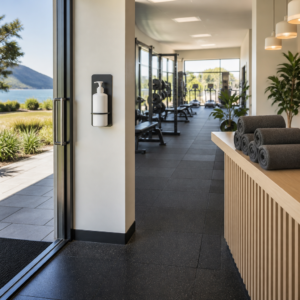
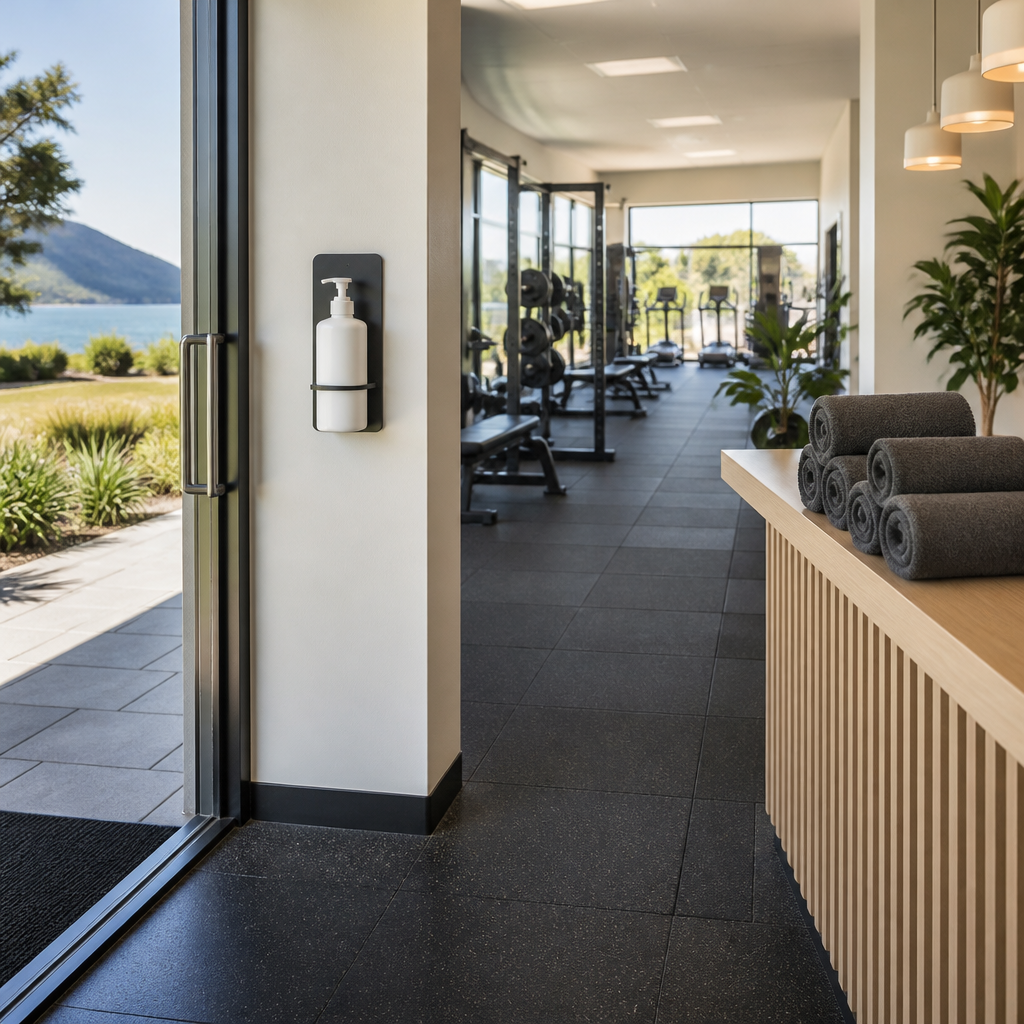
Many members still expect a place to sanitise their hands on arrival. Position the station where people naturally stop, usually just inside the door, and refill it at opening rather than waiting for it to run dry at 5 pm. Alcohol-based sanitiser can splash onto floors, so check that the floor covering tolerates alcohol or place a protection mat in front of the station.
Entry mats matter more on wet days than most operators expect. Wet footwear carries grit and moisture inside, and a mat that is shaken out and washed on a fixed schedule stops it becoming the slip hazard you were trying to prevent.
Plexiglas Screens and Acrylic Panels
Many reception areas now have acrylic or Plexiglas panes. These scratch and craze when the wrong cleaner is used, and the damage is often permanent. The same German guide warns that not every cleaner suits this material, so choose a product with confirmed material compatibility and test it on a small hidden area first.
Use a microfibre cloth and avoid abrasive pads and paper towels, which leave micro-scratches. Clean these panels during opening hours as well, since they collect hand and breath residue at face height.
Pro tip: Ask for the product’s safety data sheet and check that it lists acrylic or plastic surfaces before anyone uses it on screens.
For the counter itself, a ready-to-use spray works well. Spray and wipe without dilution, so the job takes seconds and can happen between members without closing the desk.
Cardio and Weights Floor Care
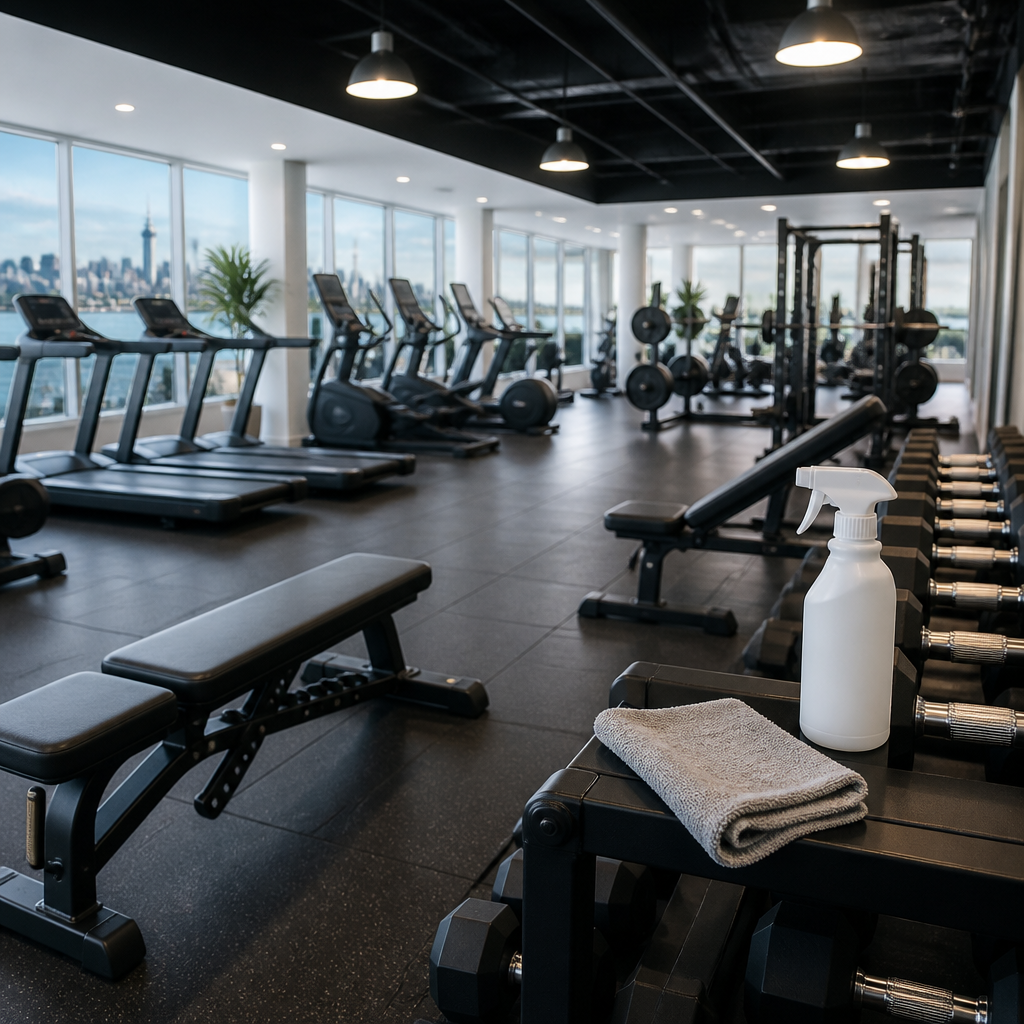
Training floors take the heaviest load. Sweat, chalk, dust and skin oils build up on machines, mats and benches faster than most owners expect, and high-touch points become the first thing members complain about.
High-Touch Equipment Points
Make a list of every contact point: handlebars, weight stack pins, adjustment levers, cable attachments, bench pads, and the buttons on cardio consoles. Clean these at least twice during busy opening hours, using a disinfectant approved for the surface. Keep spray away from electronic displays unless the manufacturer allows it.
A common mistake is wiping each machine once at closing. By 8 pm, the handlebars on a busy floor have been touched by a long line of people, so they need a mid-day pass as well as an evening one.
Sweat Residue and Odour Build-Up
Sweat odour is the problem most operators underestimate. Regular airing helps with air exchange, but it cannot remove what has soaked into rubber mats, foam benches and carpet edges. Those materials hold odour for days if they are only wiped down.
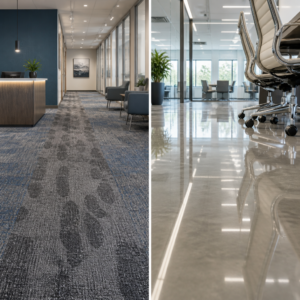
Floors need a different routine from machines. Sweep or vacuum daily, then damp-mop with a neutral or enzymatic cleaner. Rinse the mop head often, because a dirty mop simply spreads the sweat film around the room.
The same principles apply to sports facility cleaning NZ operators manage for courts, studios and multi-use halls. Mixed surfaces such as timber, rubber and vinyl each need their own products, and a single all-purpose cleaner rarely suits all of them.
Changing Rooms, Showers and Sanitary Facilities
Changing rooms are where a gym’s hygiene reputation is either confirmed or lost. Members spend time here, often barefoot in the showers, and they judge the place on smell, drains and the condition of the toilets.
Members also use these rooms at the start and end of their day, so problems build quickly. A drain that backs up at 7 pm can ruin the next morning’s session if nobody checks it.
Daily Checklist for Wet Areas
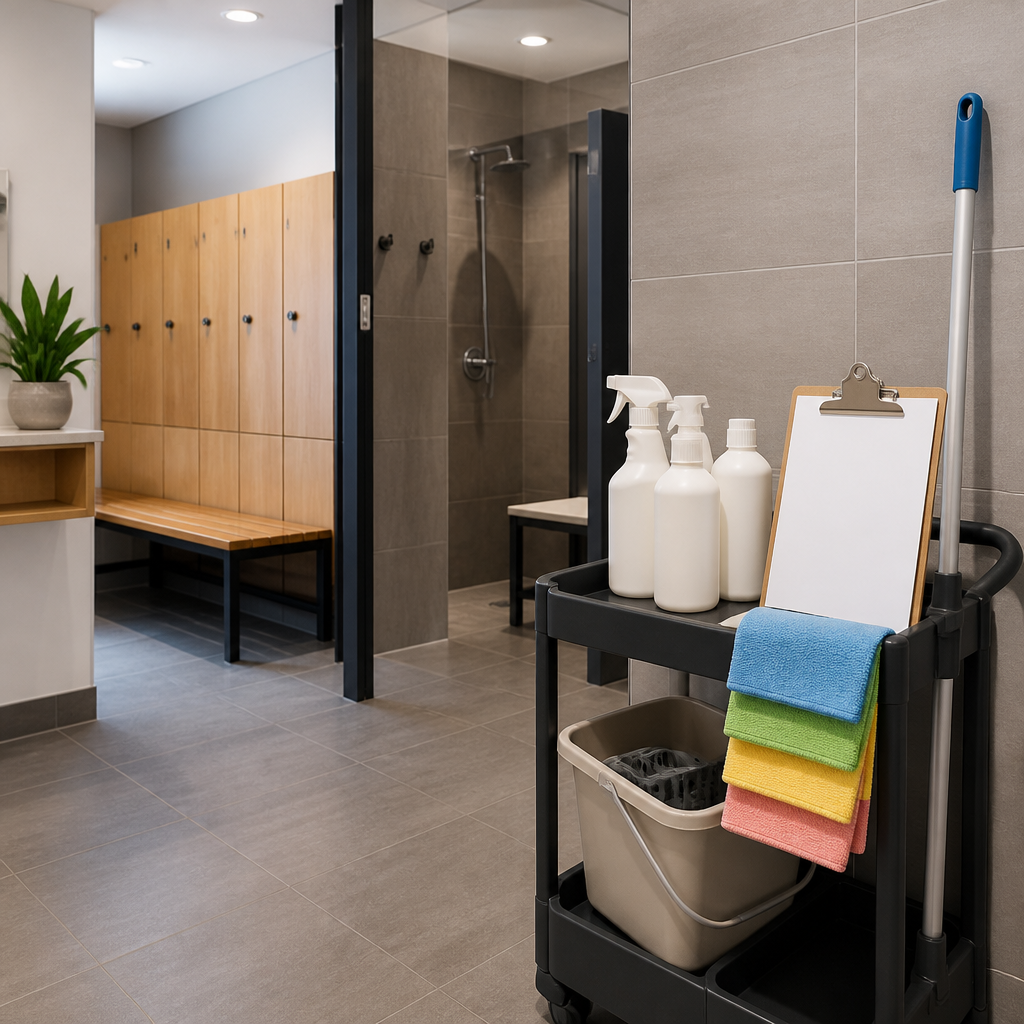
Wet areas need a checklist, not a general instruction. Our daily sequence covers drains, shower floors and walls, benches, lockers, toilets and basins, and finishes with the floor so that splash and dust are removed last. Soap, paper towels and bin liners get checked at the same time.
Shower floors need a cleaner that cuts soap scum and body oils without leaving a slippery film. That residue is itself a slip risk, so rinse thoroughly and check the floor under each shower head.
Lockers and Benches
Lockers and timber benches absorb moisture and odour. Wipe them with a diluted disinfectant daily, and inspect undersides and gaps weekly, because that is where damp and smell collect. Report split timber or rusted lockers to management. A visibly neglected bench says more about the facility than any cleaning claim.
Cleaning Products and Odour Control
Product choice decides whether odour control works or just covers the problem. Air fresheners are the most common quick fix and the least effective, because they rely on heavy fragrance to mask smell for a short time.
Biotechnological and Enzyme Cleaners
Biotechnological cleaners use naturally occurring microorganisms to break down organic residue such as sweat and skin oils. The German guide describes these products as working on dirt layers after application and helping prevent new organic build-up, which makes them suitable for mats, carpet and changing room floors. Check the product’s safety data and material compatibility before use, as you would with any chemical.
Foam and Ready-to-Use Products
Foam application reduces aerosol formation, which helps keep air quality better during opening hours. Ready-to-use products also remove dilution errors, one of the most common problems in gyms where staff mix strong solutions by feel.
| Approach | Where It Works | Where It Falls Short |
|---|---|---|
| Air fresheners | Masking a short-term smell in a lobby before a tour | Lasts only briefly, heavy fragrance can irritate members, and it does nothing for sweat in mats |
| Biotechnological odour cleaners | Breaking down sweat and organic residue in mats, carpet and changing room floors | Needs correct dilution and contact time, and must be checked against each surface material |
| Ready-to-use disinfectant spray | Touch points such as handlebars, counters and screens during opening hours | Limited on heavy soiling, so floors and wet areas still need a proper clean |
In practice, the best setup uses all three: ventilation for air, enzyme or biotechnological cleaners for odour in soft surfaces, and ready-to-use disinfectant for touch points. Ask your provider which product sits in each category and why.
Cleaning Schedules for Auckland and Christchurch Gyms
A schedule only works if it matches your opening hours and traffic. Gyms in Auckland and Christchurch run very different timetables, from early morning sessions to late evening classes, so a single template rarely fits both.
Opening Hours Cleaning
Plan a short cleaning block for each peak period, usually early morning and early evening. Focus on touch points, sanitiser refills, mats and wet areas, and keep trolleys and chemicals off the training floor during sessions. Ready-to-use products keep this manageable without closing the facility.
Overnight Deep Cleans
Overnight work covers the jobs that stop members using the space: floor scrubbing, stripping and resealing, cleaning behind equipment, dusting vents and fans, and checking drains. Rotate these by zone, with one area each night, so the whole facility is covered every week or fortnight.
Pro tip: Post the schedule in the staff room and have each zone signed off at the end of each shift. A signed checklist is quicker to audit than any verbal assurance from the team.
Adjusting for Season and Traffic
Wet weather brings more footwear grit inside, so entrance and floor cleaning may need extra passes in the rainier months. Warmer weather can raise sweat loads and odour problems in changing rooms, so review your frequency after the first few weeks of each season instead of keeping the original plan.
Documenting Standards to Protect Your Reputation
Hygiene is partly about reputation and partly about proof. When a member complains about a smell or a dirty bench, you need records showing what was cleaned, when, and by whom.
Keeping Records That Stand Up
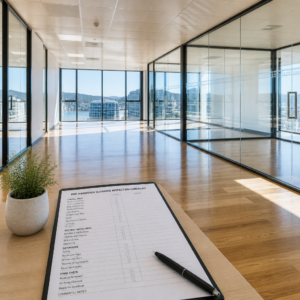
Keep a daily log for each zone with the time, initials, products used and any faults reported. Photograph problems such as damaged acrylic or mould in grout, and record when they were passed to management. This record protects both your members and your business if a dispute arises.
Insurance and Site Compliance
Confirm that your cleaning provider carries public liability insurance and that every site they attend is covered. Ask who is responsible for chemical storage, staff induction and incident reporting, and make sure the answers appear in writing before the contract starts. At Triple Star Commercial Cleaning, all cleaning sites are covered by public liability insurance, and we are an UpstreamNZ approved supplier.
Frequently Asked Questions
How often should a gym be cleaned in New Zealand?
Most gyms need touch points, wet areas and high-traffic floors cleaned during opening hours, plus a deeper overnight clean on a rotating schedule. Busy sites in Auckland and Christchurch often need extra passes at peak times.
Is an air freshener enough to control gym odour?
No. Air fresheners mask smell for a short time. Sweat odour sits in mats, foam and carpet, so you need enzyme or biotechnological cleaners to break it down, plus regular ventilation.
Can gym cleaning be done during opening hours?
Yes, if you use ready-to-use products, foam application where suitable, and keep trolleys and chemicals away from training areas. Focus on touch points and wet areas during quieter periods.
What should be used to clean Plexiglas reception screens?
Use a cleaner confirmed for acrylic or plastic, check the product’s safety data sheet, and test on a hidden area first. Avoid abrasive pads and paper towels, which scratch the surface.
What should a gym cleaning contract include?
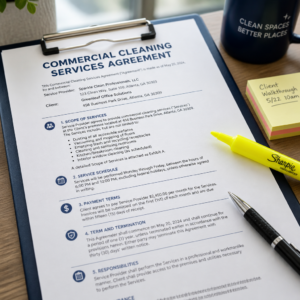
It should set out the scope of work by zone, cleaning frequency, products used, insurance details, staff induction, incident reporting and how records are kept. Get these details in writing before work starts.
What hygiene problem has caused your gym or fitness centre the most trouble in Auckland or Christchurch, and how did you solve it?