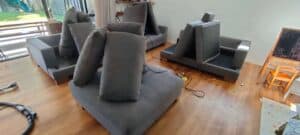
Office furniture is a significant capital investment, yet most businesses in Christchurch and Auckland treat upholstery cleaning as an afterthought. A standard office chair costs between $300 and $1,500, and a boardroom suite can run into tens of thousands of dollars. The data consistently shows that professionally cleaned upholstery lasts two to three times longer than neglected furniture. Ignoring it does not save money. It guarantees premature replacement costs, a shabby client-facing environment, and in some cases, genuine hygiene risks that affect staff health and productivity.
Table of Contents
- Quick Takeaways
- Why Office Upholstery Deteriorates Faster Than You Think
- What Professional Upholstery Cleaning Actually Involves
- Fabric Types and How Cleaning Approach Changes
- Cleaning Frequency: The Right Schedule for Commercial Settings
- Comparing Cleaning Methods for Commercial Upholstery
- Common Mistakes Office Managers Make
- The Cost of Not Cleaning Office Upholstery
- How Triple Star Approaches Commercial Upholstery Care
- Frequently Asked Questions
- References
Quick Takeaways
|
Key Insight |
Explanation |
|---|---|
|
Professional cleaning extends upholstery life by 2-3x |
Regular deep cleaning removes abrasive soil particles that break down fabric fibres from the inside out, delaying premature wear. |
|
Fabric type determines cleaning method |
Using the wrong cleaning agent on wool, microfibre, or vinyl causes irreversible shrinkage, discolouration, or surface cracking. |
|
High-traffic offices need cleaning every 6 months |
Call centres, open-plan offices, and reception areas accumulate body oils, dust, and bacteria faster than private offices. |
|
Hot water extraction outperforms dry cleaning for most commercial fabrics |
Steam-based extraction removes deeply embedded contaminants that surface-level dry methods leave behind. |
|
Spot cleaning alone creates permanent tide marks |
Applying water or solvent to isolated stains without a full clean causes ring marks that are often impossible to remove later. |
|
Upholstery protector treatments reduce future soiling |
Post-clean fabric protector applications repel liquid spills and reduce how quickly chairs re-soil between scheduled cleans. |
|
Indoor air quality improves after upholstery cleaning |
Fabric surfaces trap dust mites, pollen, and bacteria. Thorough cleaning measurably reduces airborne allergen counts in office environments. |
Why Office Upholstery Deteriorates Faster Than You Think

An office chair used eight hours a day by the same person accumulates approximately 18 kilograms of dead skin cells, body oil, and dust mite waste per year. Scale that across a 30-person open-plan office in central Christchurch or an Auckland CBD call centre, and the contamination load becomes significant within months. The visible surface often looks acceptable while the internal fabric structure is already degrading.
The primary cause of premature upholstery failure is not surface staining. It is abrasive soil particle build-up within the fabric weave. Fine particles of dust, dirt, and organic debris act like sandpaper against fabric fibres every time someone sits down. This friction weakens the fibre structure long before any visual wear becomes obvious. By the time pilling or thinning appears, the damage is already irreversible without reupholstering.
Reception seating and boardroom chairs face additional stress from varied users, different body weights, and occasional food and beverage exposure. In practice, these pieces need professional attention more frequently than standard workstation chairs, a point that many office managers overlook when scheduling cleaning services.
What Professional Upholstery Cleaning Actually Involves
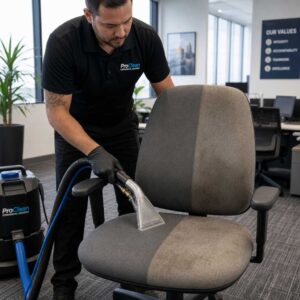
There is a significant difference between what a commercial cleaning company does and what a domestic cleaner with a handheld steamer does. Professional upholstery cleaning for commercial furniture involves a structured process that most businesses never see outlined clearly.
The Standard Professional Process
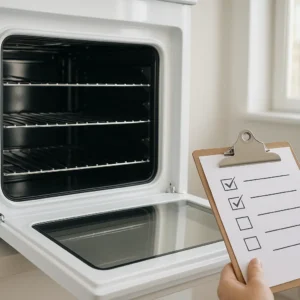
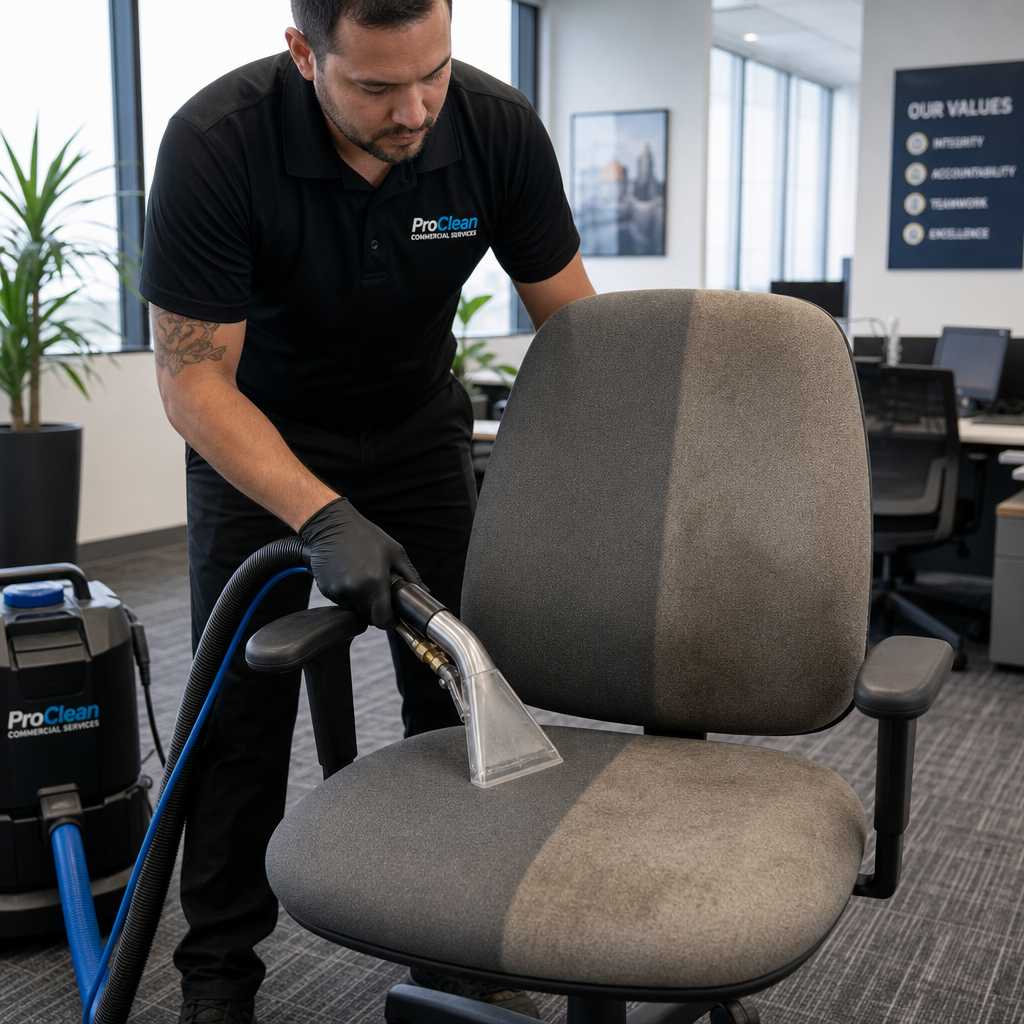
A proper commercial upholstery clean starts with fabric identification and a pre-inspection for existing damage, staining patterns, and fabric coding. Most commercial fabrics carry a cleaning code: W for water-based cleaning, S for solvent-based cleaning, WS for either, and X for vacuum only. Applying the wrong method based on a misread code causes immediate and sometimes irreversible damage.
After pre-inspection, dry soil is extracted using a high-suction vacuum with upholstery attachments before any liquid is applied. This step is non-negotiable. Wetting fabric that still contains dry particulate soil turns that soil into a muddy compound that drives deeper into the fibre, not out of it.
Pre-treatment with the appropriate pH-matched solution follows, targeting stain types individually. Body oil stains require a different chemistry than food-based stains or ink marks. A common mistake is applying a single all-purpose pre-treatment spray to all stain types and expecting consistent results. Professionals match the chemistry to the contaminant.
Extraction, either hot water extraction or dry compound method, then removes suspended soils and cleaning agents from the fabric. Residual cleaning agent left in fabric accelerates re-soiling, which is why rinse extraction matters as much as the initial treatment.
Fabric Types and How Cleaning Approach Changes
Commercial office furniture in New Zealand typically uses one of five fabric categories, and each demands a different approach. Getting this wrong is expensive.
Polyester and Nylon Blends
These are the most common upholstery fabrics in commercial office chairs. They tolerate hot water extraction well and respond to water-based pre-treatments. Colour-fastness is generally strong, but cheap dye lots on budget furniture can still bleed under hot water. Always test in an inconspicuous area first.
Wool and Wool Blends
Premium boardroom chairs and executive seating frequently use wool blends. Wool requires cold or lukewarm water, gentle pH-neutral solutions, and low-moisture extraction. Hot water causes irreversible shrinkage. Aggressive agitation damages the fibre structure permanently. Wool upholstery is not the place to cut corners on technique or equipment.
Vinyl and Faux Leather
Common in medical centres, reception areas, and staff break rooms. Vinyl cleaning involves wipe-down techniques with specific vinyl-safe cleaning agents rather than extraction. The risk here is using solvent-based cleaners that dry out and crack the vinyl surface coating. A cracked vinyl chair cannot be restored without replacement or professional re-coating.
Microfibre
Microfibre office chairs are increasingly popular in modern workplaces. They attract and hold fine particles exceptionally well, which makes them look good quickly but also means they soil deeply without obvious surface signs. Microfibre requires low-moisture dry compound methods or very controlled hot water extraction with minimal saturation.
Cleaning Frequency: The Right Schedule for Commercial Settings
The most common question from office managers in Christchurch and Auckland is how often upholstery cleaning should occur. The honest answer depends on occupancy density, the type of work being done, and whether food is consumed at desks.
For standard office environments where staff work at individual workstations, a professional deep clean every 12 months is a minimum. For open-plan offices with 20 or more staff, call centres, or any environment where employees eat at their desks, the interval drops to every 6 months. Reception areas and client-facing seating should be assessed every 3 to 6 months regardless of visible soiling, because the first impression a client forms is partially shaped by the condition of the furniture they sit in.
Pro tip: Schedule upholstery cleaning on a Friday evening or over a long weekend so furniture dries completely before staff return. Sitting on damp upholstery while it is still processing cleaning agents increases re-soiling rate significantly and can transfer residue onto clothing.
Medical centres and schools operate under different requirements entirely. Healthcare seating needs more frequent attention due to infection control obligations. Schools deal with food, craft materials, and high-contact usage patterns that accelerate soiling cycles. In practice, medical and school environments benefit from quarterly professional upholstery care rather than annual or biannual visits.

Comparing Cleaning Methods for Commercial Upholstery
Not all upholstery cleaning methods deliver the same result. The three methods used in commercial settings each have specific strengths and limitations. Understanding these differences helps property managers and facility managers make informed decisions when briefing their cleaning provider.
|
Cleaning Method |
Best For |
Limitations |
|---|---|---|
|
Hot Water Extraction (Steam Cleaning) |
Polyester, nylon, and synthetic blends in high-traffic commercial settings. Removes deeply embedded soils, bacteria, and allergens effectively. |
Not suitable for wool or delicate natural fibres. Requires adequate drying time (4-6 hours minimum) before furniture use. |
|
Dry Compound Cleaning |
Moisture-sensitive fabrics, microfibre, and situations where minimal downtime is essential. Near-immediate return to use. |
Does not penetrate as deeply as extraction methods. Less effective on heavy soiling or embedded body oil staining. |
|
Encapsulation Cleaning |
Maintenance cleaning between full deep cleans. Good for lightly soiled commercial upholstery in low-traffic office settings. |
Not a replacement for periodic hot water extraction. Can leave residue if over-applied, which attracts future soiling. |
“Regular professional cleaning of soft furnishings is one of the most cost-effective maintenance strategies available to facility managers. The return on investment is not just financial. It directly affects air quality, staff health outcomes, and the professional image of the workspace.” – International Facility Management Association, Workplace Environment Best Practices
Common Mistakes Office Managers Make
In practice, the majority of preventable upholstery damage in commercial settings comes from a handful of repeated mistakes. Identifying these is the first step toward protecting the furniture investment.
Waiting for Visible Staining Before Acting
Upholstery looks cleaner than it is for longer than most people expect. Body oil, dust mite matter, and particulate soil are invisible at surface level but are actively degrading fabric fibres from the time they enter the weave. Waiting until staining is obvious means the deeper structural damage is already done.
Using Consumer-Grade Spray-and-Wipe Products
Supermarket upholstery sprays and household stain removers are formulated for domestic use at low concentration. Applied to commercial upholstery, they often leave sticky residues that attract soil faster than the original surface did. Some contain bleaching agents that cause invisible dye damage that only becomes visible months later under certain lighting conditions.
Rubbing Stains Instead of Blotting
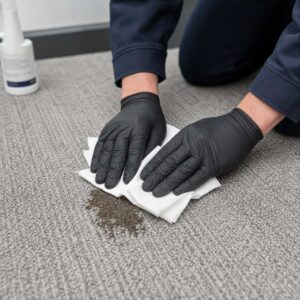
A common mistake is rubbing a fresh spill aggressively with a cloth. This drives the liquid deeper into the fabric and spreads the contamination zone. The correct immediate response is to blot, not rub, using a clean white cloth from the outside edge of the spill toward the centre. This contains rather than spreads the stain and reduces the severity before professional treatment.
Pro tip: Keep a commercial-grade upholstery spot treatment kit at reception and in the break room. Brief staff on blot-only technique. It will not replace professional cleaning but it prevents minor incidents from becoming permanent damage before the next scheduled service visit.
Assuming All Cleaning Providers Have Upholstery Expertise
General commercial cleaning and specialist office furniture cleaning are not the same skill set. Many cleaning companies offer upholstery cleaning as a listed service but lack the fabric knowledge, the equipment, or the chemistry to do it correctly across different material types. Ask specifically about their fabric identification process and what equipment they use before booking.
The Cost of Not Cleaning Office Upholstery
Replacing 30 mid-range office chairs costs between $15,000 and $45,000 depending on specification. Replacing boardroom seating or executive furniture costs considerably more. Against that, a professional upholstery cleaning programme for a 30-person office costs a fraction of that annually. The return on investment case for regular commercial upholstery care is not subtle.
Beyond replacement cost, there are productivity and presentation factors. Research from the American Journal of Public Health has found links between indoor allergen exposure and reduced cognitive performance and increased sick days. Office upholstery is one of the primary reservoirs for dust mite allergens in commercial buildings. A cleaning programme that addresses this is not just an asset management decision. It is also a staff wellbeing decision.
Client-facing businesses in particular cannot afford to overlook this. A financial advisory firm in Auckland CBD, a healthcare reception in Christchurch, or a real estate office hosting property owners regularly needs its client seating to look and smell professionally maintained. First impressions from a client sitting in a grimy chair that smells of accumulated body odour are not recoverable with a good conversation.
How Triple Star Approaches Commercial Upholstery Care
Triple Star Commercial Cleaning provides commercial upholstery care as part of a broader suite of office and commercial cleaning services across Christchurch and Auckland. The approach starts with an assessment of the furniture types present, the occupancy and usage patterns of the space, and any existing damage or problem areas before any cleaning method is selected.
Rather than applying one method uniformly across an entire office, the team identifies fabric types and codes per piece and selects the appropriate method for each. A reception area with vinyl seating, polyester task chairs at workstations, and a wool-blend executive chair in the boardroom will receive three different treatment approaches in the same visit.
All Triple Star cleaning sites are covered by public liability insurance, which matters when working with high-value furniture. As an UpstreamNZ approved supplier, Triple Star operates to verified commercial cleaning standards, which is particularly relevant for businesses in regulated sectors such as healthcare and education that need documented compliance with cleaning protocols.
For property managers overseeing multiple tenancies in Christchurch or Auckland, Triple Star also integrates upholstery cleaning into broader building maintenance schedules alongside services like carpet cleaning, floor stripping and sealing, and window cleaning, reducing the administrative burden of coordinating multiple specialist contractors. Contact Triple Star at www.3plestar.nz to discuss a cleaning programme suited to your specific building or office environment.
Frequently Asked Questions
How long does office upholstery cleaning take to dry?
Drying time depends on the cleaning method used and the ventilation in the space. Hot water extraction on standard polyester office chairs typically requires 3 to 6 hours of drying time with good air circulation. Dry compound methods allow near-immediate return to use. If scheduling is tight, request dry compound cleaning or book Friday evening so furniture dries over the weekend.
Can all types of office chair fabric be professionally cleaned?
Most commercial upholstery fabrics can be professionally cleaned using the correct method for that fabric type. The exception is heavily degraded fabric where the fibre structure is already compromised. In those cases, cleaning may improve appearance marginally but cannot reverse structural damage. A professional pre-inspection identifies furniture that is past the point where cleaning adds value.
How often should a medical centre clean its waiting room upholstery?
Medical waiting room seating should be cleaned professionally every 3 months at minimum. Healthcare environments carry higher contamination loads due to the nature of the patients present, and infection control obligations make regular deep cleaning non-negotiable. Vinyl seating common in clinical areas should also receive regular disinfection cleaning between full upholstery service visits.
Is upholstery cleaning included in standard commercial cleaning contracts?
Standard commercial cleaning contracts typically cover surface cleaning of desks, floors, bathrooms, and kitchens. Deep upholstery cleaning is almost always a separate scheduled service. If you are unsure whether your current contract includes it, check specifically. Most businesses operating under a standard contract have never had their office chair upholstery professionally deep cleaned.
What is the difference between upholstery cleaning and carpet cleaning?
While both involve removing embedded soils from fabric surfaces, upholstery cleaning requires significantly more precision due to the variety of fabric types, their proximity to people’s skin, and the fact that over-wetting or wrong chemistry can cause permanent damage to a piece of furniture. Carpet cleaning equipment and chemicals are not appropriate for use on office chairs or seating without adaptation.
Does upholstery cleaning remove odours from office chairs?
Yes. Body odour in office chairs comes primarily from body oil and organic matter that has soaked into the fabric over time. Hot water extraction combined with appropriate deodorising treatment removes the source of the odour rather than masking it. Deodorising sprays applied to an uncleaned chair are a short-term measure only. The odour returns within days because the source has not been removed.
Have you had a frustrating experience with office upholstery cleaning, or found a scheduling approach that works particularly well for your team? Share your experience below so others in the property management community can benefit from what you have learned.