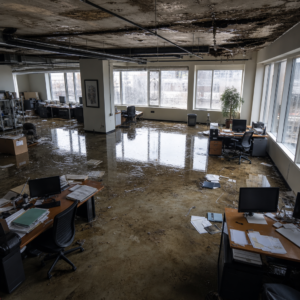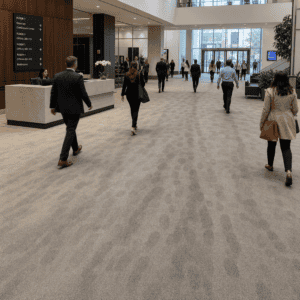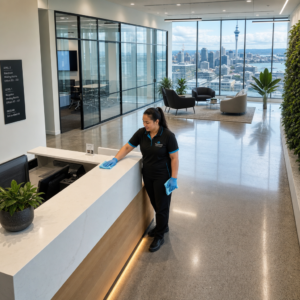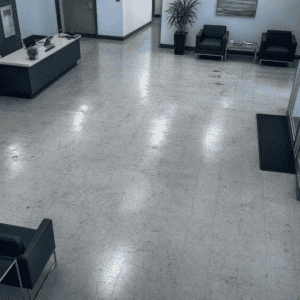
Most offices in Christchurch and Auckland look presentable on the surface. Desks are wiped down, bins are emptied, and the floor gets a quick vacuum. But underneath that routine maintenance, biological and chemical buildup accumulates in ways that affect staff health, client impressions, and even the longevity of your fit-out. Research from the American Journal of Infection Control found that the average office desk harbours 400 times more bacteria than a toilet seat. If your cleaning schedule has not included a genuine office deep cleaning in the last six months, there is a good chance your workplace is past due.
Table of Contents
- Quick Takeaways
- Sign 1: Persistent Odours That Routine Cleaning Does Not Fix
- Sign 2: Increased Staff Sick Days and Allergy Complaints
- Sign 3: Visible Grime Buildup in High-Touch and Hard-to-Reach Areas
- Sign 4: Carpet and Upholstery Looking Dull or Stained Despite Regular Vacuuming
- Sign 5: Client and Visitor Complaints or Uncomfortable Silences
- Comparing Cleaning Approaches: Routine vs. Deep vs. Specialist
- What Professional Deep Cleaning Actually Covers in a Commercial Setting
- How Often Christchurch and Auckland Offices Need Deep Cleaning
- Frequently Asked Questions
- References
Quick Takeaways
|
Key Insight |
Explanation |
|---|---|
|
Routine cleaning masks, not removes, deep contamination |
Daily vacuuming and surface wiping do not reach grout lines, HVAC vents, or upholstery fibres where pathogens and allergens accumulate. |
|
Persistent smell is a biochemical signal, not a cosmetic issue |
Lingering odours in Christchurch or Auckland offices typically indicate mould, VOC buildup, or soiled carpet padding that routine cleaning cannot address. |
|
Staff absenteeism has a measurable cleaning link |
The UK Health and Safety Executive reports that contaminated work environments contribute directly to sick building syndrome, increasing absenteeism by up to 10 percent. |
|
Visible grime in break rooms and bathrooms is a compliance risk |
In New Zealand, the Health and Safety at Work Act 2015 requires employers to maintain a safe workplace, which includes sanitary standards. |
|
Carpet lifespan is cut in half without periodic deep extraction |
Carpet manufacturers typically recommend hot water extraction every 12 to 18 months to preserve fibre integrity and warranty validity. |
|
Client impressions are formed within seconds of entering a space |
A dirty reception area or streaked glass signals disorganisation, regardless of the quality of work done inside that office. |
|
Deep cleaning frequency depends on foot traffic, not just calendar time |
A medical centre or school in Auckland requires more frequent deep cleaning cycles than a small professional services office in Christchurch. |
Sign 1: Persistent Odours That Routine Cleaning Does Not Fix
Walk into your office on a Monday morning after the weekend and pay attention to the smell. A faint musty or stale odour that fades after an hour is not normal. In practice, persistent odours are one of the clearest indicators that contaminants have embedded themselves in surfaces that routine cleaning never reaches. This includes carpet underlay, ceiling tiles, soft furnishings, and the inside of HVAC ducts.
Christchurch offices, particularly in older buildings or those affected by post-earthquake renovations, face a specific risk of hidden mould growth behind wall linings and under flooring. Auckland offices in humid coastal suburbs face similar mould exposure. Neither problem is solved by a spray-and-wipe routine clean.
The difference between surface odour and embedded odour
Surface odour responds to cleaning within minutes. If the smell returns within 24 to 48 hours, or if it is strongest in areas with carpet, soft seating, or near HVAC vents, the source is embedded. Professional commercial cleaning services use enzyme-based treatments and hot water extraction to neutralise the source, not just mask it. Triple Star’s carpet cleaning and upholstery cleaning services are specifically designed for these scenarios.
Pro tip: Ask your current cleaning contractor exactly when carpets were last deep extracted and what process was used. If they cannot answer with specifics, the job has not been done properly.
Sign 2: Increased Staff Sick Days and Allergy Complaints
If your HR data shows a spike in sick days, or if multiple staff members report unexplained headaches, sneezing, or fatigue that clears up on weekends, your office environment is worth investigating. This pattern is the textbook presentation of sick building syndrome, and in a large number of cases the cleaning regime is a contributing factor.
The data is consistent on this point. Research published by the World Health Organization estimates that 10 to 30 percent of commercial buildings worldwide have indoor air quality problems linked to inadequate cleaning and ventilation maintenance. For Auckland and Christchurch businesses, this translates directly into productivity loss and higher staff turnover.
What routine cleaning misses that drives illness
Standard office cleaning covers visible surfaces. It rarely includes thorough disinfection of keyboards, mouse surfaces, lift buttons, shared equipment, and the underside of desks. These are the highest-touch, highest-contamination points in any workplace. A proper deep clean addresses these systematically, using hospital-grade disinfectants appropriate for the surface type.
For medical centres and schools in Christchurch and Auckland, the stakes are higher still. These environments carry a legal and ethical obligation to maintain hygiene standards beyond what a daily clean achieves.
“The evidence is clear that improving indoor environmental quality, including cleaning protocols, reduces respiratory symptoms and improves cognitive function in office workers.” – World Health Organization, Indoor Air Quality Guidelines
Pro tip: Cross-reference your team’s sick leave records with the last date a professional deep clean was performed. A pattern of increased illness six to eight weeks after deep cleaning lapses is a reliable signal that a scheduled deep clean is overdue.
Sign 3: Visible Grime Buildup in High-Touch and Hard-to-Reach Areas
This one requires honesty. Get down on your hands and knees and look at the base of your skirting boards. Check the grout lines in the bathroom. Look at the top edges of door frames, the underside of kitchen benches, and the corners where carpet meets wall. If you see grime, discolouration, or dark buildup, your office has not received a proper deep clean.
Routine cleaning maintains visibility. Deep cleaning addresses accumulation. In high-traffic Christchurch and Auckland offices, kitchen and bathroom zones reach a point where regular mopping no longer removes the layers of soil that have bonded to the floor surface. This requires floor stripping and sealing, a specialist service that resets the floor to a cleanable baseline.
Construction dust in post-renovation offices
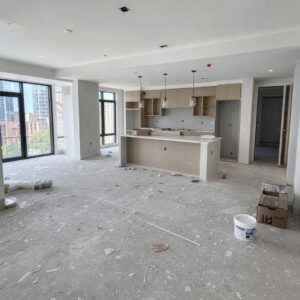
Office refits and building works are common in both Auckland and Christchurch. Post-construction, fine silica dust and construction debris infiltrate every surface, including inside light fittings, on top of ceiling tiles, and inside ductwork. This is invisible to a standard cleaning crew and requires dedicated builders cleaning or post-construction cleaning using HEPA-filtered equipment and specialist techniques.
Triple Star’s builders cleaning service is specifically structured for commercial environments where a standard clean-up after trades would leave behind contaminants that affect both air quality and surface finish quality.
Sign 4: Carpet and Upholstery Looking Dull or Stained Despite Regular Vacuuming
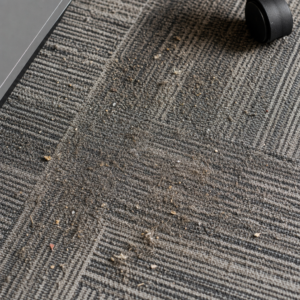
Regular vacuuming removes surface debris. It does nothing about the oils, bacteria, and fine particulate matter that migrate into carpet fibres and upholstery fabric over time. When your carpet starts to look permanently dull, or when fabric chairs look grey in their seat cushions despite being wiped down, you are looking at embedded soiling that only hot water extraction or professional upholstery cleaning can address.
This is not a cosmetic issue. Embedded organic matter in carpets is a breeding ground for dust mites and bacteria. A 2022 analysis published by Indoor Environmental Quality professionals found that untreated carpet in busy offices can contain up to 200,000 bacteria per square inch, roughly 700 times more than the average toilet seat.
Why vacancy periods are the right time to deep clean carpets
If your Christchurch or Auckland office is between tenancies or undergoing a seasonal shutdown, that is the optimal window for carpet deep extraction and upholstery treatment. The drying time required after hot water extraction (typically four to six hours for commercial carpet) is a non-issue when the space is unoccupied.
Property managers overseeing commercial buildings should build deep carpet cleaning into every end-of-lease process. This protects the asset, reduces tenant disputes, and ensures the space is genuinely market-ready rather than just visually presentable.
Sign 5: Client and Visitor Complaints or Uncomfortable Silences
Nobody likes to tell a business owner their office is dirty. So they do not. They form a judgement and keep it to themselves. In practice, the absence of complaints does not mean your office is clean. It means your clients are polite.
When complaints do surface, they tend to come in the form of offhand comments about bathroom conditions, or visible reactions when a client spots a stained chair or streaked window in a meeting room. At that point, the damage to the professional impression has already been done.
Window and glass cleanliness as a proxy for overall standards
Workplace hygiene is often judged at entry points. Streaked windows, a smudged glass reception screen, or a dirty front entrance floor signal that detail is not a priority inside either. For retail stores, medical centres, and professional services businesses in Auckland and Christchurch, the entry experience directly influences trust before a single word is spoken.
Triple Star’s window cleaning service is part of a broader commercial cleaning package because clean glass is one of the highest-visibility indicators of a well-maintained premises. It is not optional for businesses that rely on professional impression.
Comparing Cleaning Approaches: Routine vs. Deep vs. Specialist
Not all cleaning services deliver the same outcome. Understanding the difference between what a daily routine clean achieves versus a structured deep clean versus a specialist service is essential for any property manager or business owner making decisions about cleaning contracts.
|
Cleaning Type |
What It Covers |
When It Is Needed |
|---|---|---|
|
Routine Maintenance Cleaning |
Surface wiping, vacuuming, bin emptying, bathroom sanitisation at a surface level, kitchen wipe-down. Keeps the office presentable between deeper cleans. |
Daily, weekly, or fortnightly depending on foot traffic and office type. Suitable for ongoing upkeep. |
|
Professional Deep Cleaning |
Hot water carpet extraction, grout scrubbing, disinfection of all high-touch surfaces, inside appliance cleaning, skirting boards, vent covers, upholstery treatment, and hard floor scrubbing. |
Every three to six months for busy offices. Annually at minimum for lower-traffic environments. Essential after illness outbreaks, staff changes, or fit-out works. |
|
Specialist Commercial Cleaning |
Builders cleaning after construction or refits, floor stripping and sealing, flood restoration, end of lease cleaning, window cleaning at height, medical-grade disinfection for healthcare settings. |
Event-driven. Required after construction, tenancy end, flooding, or for regulated environments like medical centres and schools where standard deep cleaning is insufficient. |
The common mistake made by facility managers is treating a deep clean as an escalation of routine cleaning. It is not. Deep cleaning requires different equipment, different chemical protocols, and significantly more time per square metre. A contractor who claims to deep clean as part of a standard visit is either not doing it properly or is cutting corners on the routine clean to make time.
What Professional Deep Cleaning Actually Covers in a Commercial Setting
There is real variation in what different companies call a deep clean. Some use it as a marketing term for a more thorough version of their standard service. True professional office cleaning at a deep level is structured, methodical, and documented.
At Triple Star, a commercial deep clean for an office in Christchurch or Auckland covers: all floor surfaces including under furniture and in corners, full bathroom decontamination including tile grout, inside kitchen appliances, tops of cabinets, door frames and light switches, window sills and tracks, upholstery and fabric chair surfaces, and a systematic wipe-down of all workstations including screens, keyboards, and phone handsets.
The role of documentation in workplace deep cleaning
For property managers and body corporates, documentation of cleaning frequency and scope is increasingly important for insurance, tenancy disputes, and compliance purposes. A cleaning company that cannot provide a signed completion checklist for a deep clean is not a company that should be trusted with a commercial contract.
Triple Star’s status as an UpstreamNZ approved supplier reflects a commitment to operating with documented processes and accountability. All cleaning sites are covered by public liability insurance, which is a non-negotiable requirement for anyone managing a commercial property with foot traffic, equipment, or third-party contractors on site.
How Often Christchurch and Auckland Offices Need Deep Cleaning
The answer is not one-size-fits-all, but there are clear benchmarks. A professional services office with ten staff in Christchurch’s CBD, with routine cleaning three times per week, should schedule a full deep clean every three to four months. A 200-person call centre in Auckland, with high turnover and shared equipment, needs deep cleaning every six to eight weeks at minimum.
Medical centres and schools sit outside standard commercial benchmarks. These environments require deep cleaning on a cycle determined by occupancy, type of use, and in some cases regulatory requirements. The Health and Safety at Work Act 2015 and New Zealand’s Ministry of Health guidelines for healthcare facilities are the governing standards here, not a generic cleaning schedule.
Seasonal factors specific to New Zealand
Christchurch winters are cold enough that buildings seal up, reducing ventilation and increasing the concentration of airborne particulates and pathogens inside. This makes a deep clean at the start of winter and again in spring a logical and evidence-backed schedule. Auckland’s humidity creates specific mould risks year-round, particularly in buildings with inadequate airflow in bathrooms, kitchens, and storage areas.
Aligning your deep clean schedule with these seasonal patterns is not arbitrary. It directly reduces the accumulation that drives odour, illness, and surface damage over the course of the year.
Frequently Asked Questions
What is the difference between office deep cleaning and regular office cleaning?
Regular office cleaning maintains surface-level cleanliness on a scheduled basis, covering tasks like vacuuming, bin emptying, and bathroom wipe-downs. Office deep cleaning is a comprehensive, less frequent service that targets embedded dirt, bacteria, and buildup in areas that routine cleaning never reaches. This includes carpet extraction, grout scrubbing, appliance interiors, ventilation grilles, and full disinfection of all high-contact surfaces. Deep cleaning typically takes three to five times longer per square metre than a routine clean.
How do I know if my Christchurch or Auckland office needs a deep clean right now?
The five most reliable indicators are: persistent odours that return within 24 hours of cleaning, an uptick in staff sick days or allergy complaints, visible grime in grout lines and high-touch zones, carpet and upholstery that look dull or stained despite regular maintenance, and negative feedback or visible discomfort from clients visiting your premises. If two or more of these are present, a deep clean is overdue.
How much does professional deep cleaning cost for a commercial office in Christchurch or Auckland?
Cost varies significantly based on floor area, the condition of the space, the specific services required, and the frequency of deep cleaning requested. A small professional services office might require a few hundred dollars for a deep clean, while a large open-plan office with specialist carpet extraction and floor treatment could run into several thousand dollars. The most accurate approach is to request a site-specific quote from a commercial cleaning provider like Triple Star, who can assess the space and scope the work accurately rather than applying a generic per-square-metre rate.
Can deep cleaning be done while staff are in the office?
Some components of a deep clean, such as surface disinfection and upholstery treatment, can be completed outside business hours or in sections while staff work in other areas. However, carpet extraction requires a drying period of four to six hours in commercial spaces, and floor stripping and sealing requires the area to be completely clear. The most efficient approach is to schedule deep cleaning on weekends, public holidays, or during office closures. Triple Star offers flexible scheduling specifically for this reason, including early morning, evening, and weekend availability.
Does Triple Star offer deep cleaning for both Christchurch and Auckland offices?
Yes. Triple Star Commercial Cleaning operates across both Christchurch and Auckland, providing office deep cleaning, commercial cleaning services, carpet cleaning, builders cleaning, and end of lease cleaning in both cities. The team structure allows for consistent service delivery and direct communication between site managers and cleaning supervisors in both locations.
Is there a legal requirement for commercial deep cleaning in New Zealand?
New Zealand’s Health and Safety at Work Act 2015 requires all employers to provide and maintain a work environment that is safe and without risks to health, so far as is reasonably practicable. While the Act does not specify cleaning frequencies, the duty of care it establishes means that allowing an office to deteriorate to a point where it contributes to staff illness or injury is a compliance risk. For healthcare facilities and schools, sector-specific Ministry of Health guidelines set more direct cleaning standards that deep cleaning supports.
Have you noticed any of these signs in your own office, or do you have a question about what a commercial deep clean would involve for your specific building? Share your experience or question and we will give you a straight answer.