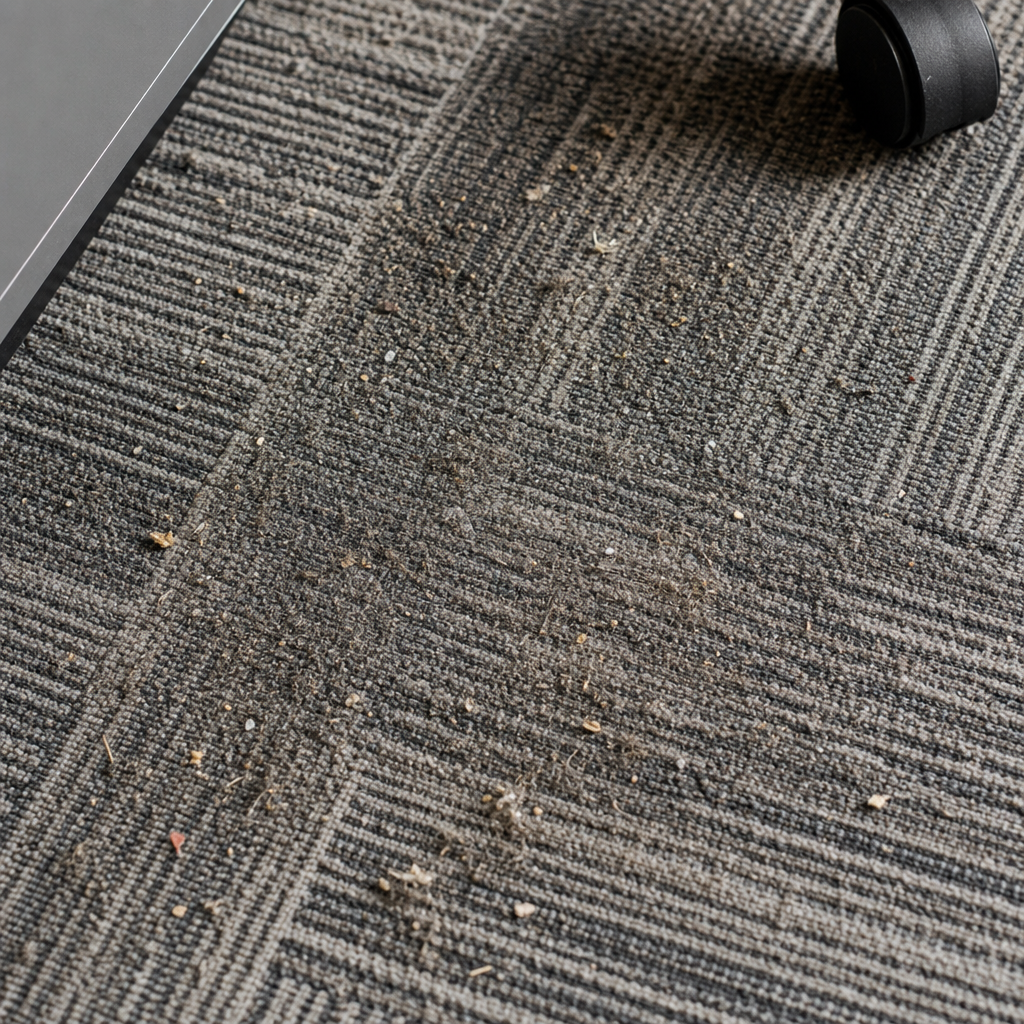
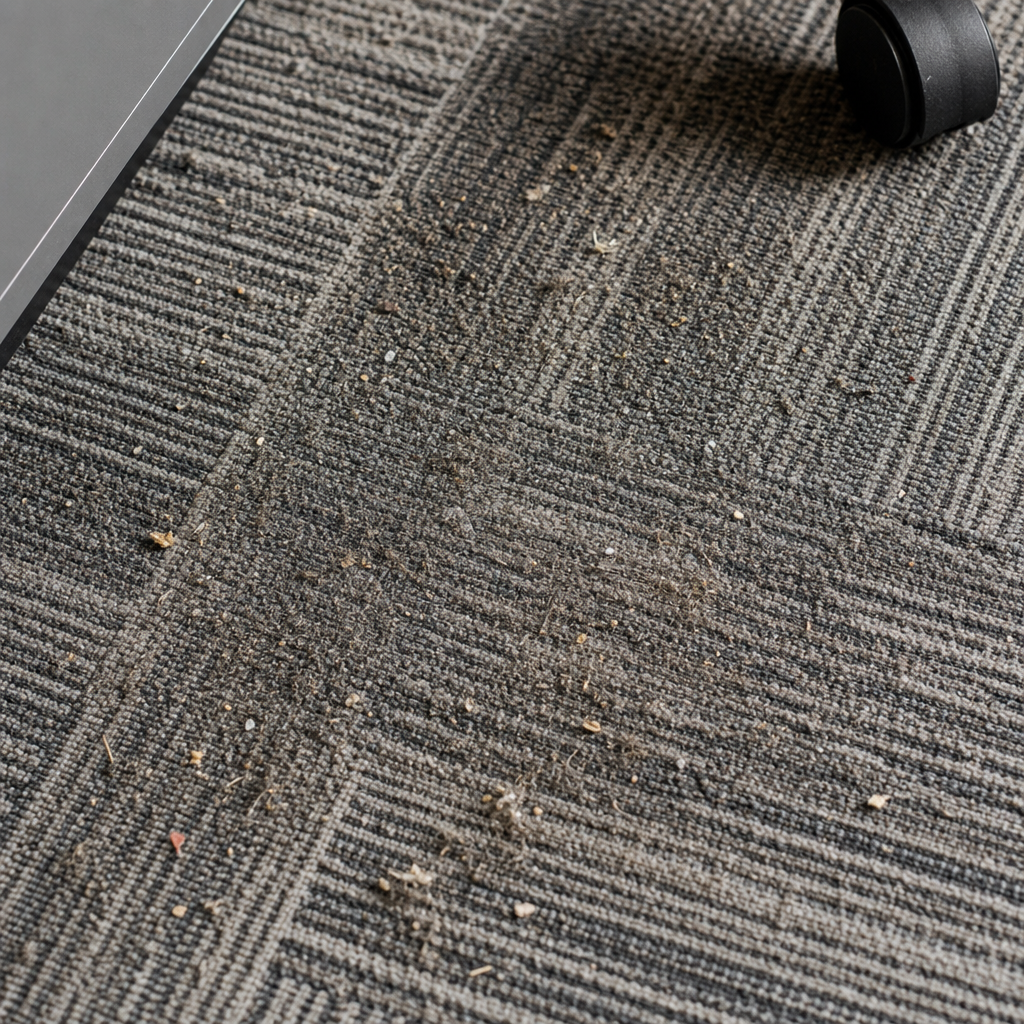
Dirty carpets in a commercial space are not just an aesthetic problem. According to the Carpet and Rug Institute, commercial carpets can hold up to four times their weight in dirt, allergens, and bacteria before they visibly look soiled. By the time your office carpet looks grimy, the damage to air quality, floor fibre integrity, and your professional image is already well underway. For business owners and property managers in Christchurch seeking reliable carpet cleaning Christchurch services, understanding when to deep clean and why it matters is the difference between protecting an asset and replacing it prematurely.
Table of Contents
- Quick Takeaways
- Why Commercial Carpets Are Different From Residential Carpets
- How Often Should You Deep Clean Commercial Carpets
- Warning Signs Your Carpet Needs Deep Cleaning Now
- Deep Cleaning Methods Compared
- The Real Cost of Neglecting Commercial Carpet Cleaning
- Christchurch-Specific Considerations for Commercial Carpets
- What to Expect From a Professional Commercial Carpet Clean
- Frequently Asked Questions
- References
Quick Takeaways
| Key Insight | Explanation |
|---|---|
| Deep clean frequency depends on foot traffic, not just appearance | High-traffic commercial spaces like retail stores and medical centres in Christchurch should deep clean every 3 to 6 months, not annually. |
| Hot water extraction outperforms dry cleaning for deep soil removal | Steam-based hot water extraction removes embedded allergens and bacteria that dry compound methods leave behind in commercial carpet fibres. |
| Carpet neglect accelerates replacement timelines | Without regular professional cleaning, commercial carpet lifespan drops from 10+ years to as few as 5 years, doubling long-term capital costs. |
| Post-flood treatment is urgent, not optional | In Christchurch, where weather events can cause water ingress, carpets must be treated within 24 to 48 hours to prevent mould and structural damage. |
| Interim maintenance between deep cleans matters | Daily vacuuming and spot treatment extend the effectiveness of professional deep cleans and protect carpet warranties. |
| Medical and school environments require higher cleaning frequency | Healthcare and education facilities must deep clean every 6 to 8 weeks in high-use areas to meet hygiene standards and reduce cross-contamination risk. |
| Visible staining is a late indicator, not an early warning | Odour, increased allergy symptoms among staff, and matted pile are earlier signs that a commercial carpet needs professional attention immediately. |
Why Commercial Carpets Are Different From Residential Carpets
Commercial carpets are engineered for durability, not comfort. They use denser, shorter pile construction specifically to withstand the kind of foot traffic that would destroy a domestic carpet within months. But that dense construction is also why soil, grit, and biological contaminants pack down into the fibre base more aggressively.
In practice, a busy Christchurch office with 50 staff sees several hundred foot contacts per square metre every single day. Each contact grinds fine particulate matter further into the carpet backing. Over time, this acts like sandpaper on the fibres, breaking them down from the base up. By the time the surface looks worn, the structural damage is already significant.
The other critical difference is what gets tracked in. Offices accumulate fine dust, paper fibres, and skin cells. Retail environments add food debris, outdoor grit, and moisture from foot traffic in wet Canterbury weather. Construction offices and site sheds bring in concrete dust, silica particles, and chemical residues. Each environment requires a different cleaning approach, and a one-size-fits-all schedule simply does not work.
Pro tip: Ask your cleaning provider to assess your specific foot traffic zones separately. Entry areas and corridors need deep cleaning twice as often as private offices or meeting rooms.
How Often Should You Deep Clean Commercial Carpets
There is no universal answer, but there are clear, evidence-based benchmarks that experienced cleaning professionals use. The Institute of Inspection, Cleaning and Restoration Certification (IICRC) recommends deep cleaning frequency based on traffic classification, and those classifications translate directly to New Zealand commercial environments.
Light Traffic: Low-Use Offices and Meeting Rooms
Spaces with fewer than 50 people per day, such as private offices, boardrooms, and back-of-house areas, can be deep cleaned every 12 to 18 months. Interim vacuuming three times per week is still non-negotiable to prevent dry soil accumulation.
Medium Traffic: Standard Open-Plan Offices
A typical open-plan Christchurch or Auckland office with 50 to 150 daily occupants should schedule deep carpet cleaning every 6 to 12 months. This is the category most business owners underestimate. They assume annual cleaning is sufficient, but medium-traffic carpets hit critical soil saturation well before the 12-month mark.
Heavy Traffic: Retail, Schools, and Reception Areas
Retail store floors, school corridors, healthcare waiting rooms, and building reception areas fall into the heavy traffic category. These spaces require deep cleaning every 3 to 6 months without exception. The IICRC S100 standard, which is the governing document for commercial carpet cleaning globally, is explicit on this point.
Extreme Traffic: Hospitality, Medical Centres, and Childcare Facilities
Medical centres and childcare facilities in Christchurch must treat carpet cleaning as a hygiene protocol, not just a maintenance task. Deep cleaning every 6 to 8 weeks in patient-facing and high-contact zones is the minimum standard. Triple Star works with a number of Christchurch medical and education clients specifically on this schedule to maintain compliant environments.
“Carpet acts as a filter for indoor air quality. When that filter becomes saturated, it stops trapping contaminants and starts releasing them back into the breathing zone. At that point, the carpet is actively harming your indoor environment.” – IICRC, Standard and Reference Guide for Professional Cleaning of Textile Floor Coverings (S100)
Warning Signs Your Carpet Needs Deep Cleaning Now
Most commercial property managers wait for visible dirt before calling a cleaning company. That is the wrong trigger point. By the time a carpet looks dirty under normal lighting, it has already accumulated a significant load of embedded contaminants that standard vacuuming cannot reach.
The signs that matter most are not always visual. A persistent musty odour in a carpeted space, even after regular vacuuming, indicates microbial growth in the carpet backing or underlay. Increased complaints from staff about allergies or respiratory irritation during winter months, when windows are closed and ventilation is reduced, often trace back to carpet-based allergen release. Matted pile that no longer springs back after foot contact means the fibre structure is collapsing under compacted soil load.
Visible signs that should trigger an immediate booking include dark traffic lanes that do not respond to spot cleaning, permanent staining around workstation areas, and any evidence of water ingress or moisture, which creates an urgent mould risk in Christchurch’s variable climate.
Pro tip: Walk your commercial space under a UV torch at night. Biological stains, including pet accidents in pet-friendly offices and food spills, fluoresce clearly under UV and reveal contamination that standard lighting conceals entirely.
Deep Cleaning Methods Compared
Not all commercial carpet cleaning methods deliver the same result, and property managers in Christchurch should understand what they are paying for before signing a contract. The three most common methods in the New Zealand commercial cleaning market are hot water extraction, encapsulation cleaning, and dry compound cleaning.
| Method | Best For | Limitations |
|---|---|---|
| Hot Water Extraction (Steam Cleaning) | Heavy soiling, allergen removal, post-flood treatment, medical and school environments. Reaches deep into carpet backing. IICRC-recommended for restorative cleans. | Longer dry time (4 to 8 hours). Requires professional equipment calibrated correctly to avoid over-wetting and mould risk. |
| Encapsulation Cleaning | Interim maintenance cleans in medium-traffic offices. Fast dry time (30 to 60 minutes). Lower disruption to business operations during the working day. | Does not remove deep embedded soil. Not suitable as a standalone method for heavily soiled commercial carpets or restorative cleaning after water damage. |
| Dry Compound Cleaning | Spaces that cannot tolerate any moisture, such as archives, server rooms, or areas with moisture-sensitive subfloors. | Surface-level clean only. Does not address biological contamination, deep-set staining, or odour from backing-level moisture. Not recommended as a primary commercial cleaning method. |
The data consistently shows that hot water extraction delivers the most thorough deep clean for commercial carpet cleaning in Christchurch. Encapsulation has a legitimate place as a bridge between restorative deep cleans, but it is not a substitute. Any provider recommending dry compound as a primary commercial cleaning method is cutting costs at the expense of results.
The Real Cost of Neglecting Commercial Carpet Cleaning
Property managers often frame professional carpet cleaning as a cost. The more accurate framing is that it is a replacement-prevention investment. Commercial carpet is one of the most expensive flooring assets in a building. Quality commercial carpet in New Zealand costs between $40 and $120 per square metre installed. A 500-square-metre office floor represents a flooring asset worth $20,000 to $60,000.
The Carpet and Rug Institute estimates that regular professional cleaning extends commercial carpet life by 40 to 60 percent compared to vacuuming alone. Skipping deep cleans does not save money. It accelerates the replacement cycle by 3 to 5 years, which in a typical Christchurch commercial property costs far more than a decade of professional cleaning contracts combined.
There are also less obvious costs. Staff productivity research published through the World Green Building Council links poor indoor air quality, including airborne particulates from dirty carpets, to measurable drops in cognitive performance and increased sick leave. A common mistake is treating carpet cleaning as a facilities aesthetic issue rather than a workplace health and productivity factor.
For end-of-lease situations, neglected carpets create a direct financial liability. Christchurch property managers and real estate agents frequently cite carpet condition as the primary source of bond disputes in commercial tenancy exits. A documented professional cleaning record is often the only evidence that resolves those disputes without legal costs.
Christchurch-Specific Considerations for Commercial Carpets
Christchurch’s climate creates specific challenges that do not apply uniformly across New Zealand. The city experiences cold, wet winters with significant frost periods, combined with warm, dry nor’west conditions in summer. This moisture variability affects carpet care in ways that property managers from warmer regions often underestimate.
Winter Moisture and Tracking
During Christchurch winters, staff and visitors track significantly more moisture into commercial spaces from rain, wet footpaths, and condensation. This accelerates the rate at which carpets accumulate moisture-borne soil and creates conditions for mould growth in carpet backing, particularly in buildings with concrete subfloors and limited underfloor insulation.
Post-Earthquake Building Stock
A proportion of Christchurch’s commercial building stock underwent earthquake repair or rebuild between 2011 and 2016. Some of these buildings have ongoing drainage or moisture management issues that affect carpet condition. In practice, we see more moisture-related carpet contamination in post-earthquake commercial buildings than in equivalent buildings in Auckland or Wellington.
Flood and Water Damage Response
Canterbury weather events, including the heavy rainfall periods Christchurch experiences in late autumn and winter, can cause water ingress in commercial ground-floor spaces. Carpet affected by flooding must be treated within 24 hours to prevent mould colonisation and within 48 hours to avoid permanent structural damage to the carpet and underlay. Triple Star’s flood restoration service addresses exactly this scenario for Christchurch commercial clients.
Pro tip: Schedule your deep carpet clean for late autumn before Christchurch’s wet winter months begin, not after. Starting winter with clean, properly dried carpet reduces the risk of mould accumulation during the cold, low-ventilation period.
What to Expect From a Professional Commercial Carpet Clean
A professional commercial carpet cleaning Christchurch service from a reputable provider follows a structured process that goes well beyond applying cleaning solution and extracting it. Understanding the process helps property managers and office managers evaluate whether they are receiving genuine value or a rushed job.
Pre-Inspection and Traffic Zone Assessment
Before any cleaning begins, the technician should walk the space and identify traffic zones, spot-staining areas, fibre types, and any moisture or odour concerns. Skipping this step means the cleaning solution, dwell time, and extraction pressure are not calibrated to your specific carpet condition. A common mistake we see when clients switch to Triple Star from other providers is that previous cleans had no pre-inspection at all.
Pre-Treatment of High-Soil Areas
Entry mats, corridor paths, and workstation clusters receive a targeted pre-treatment spray applied at the correct dwell time before the main extraction pass. This breaks down compacted soil bonds before the hot water extraction process, significantly improving the depth of clean achieved.
Hot Water Extraction
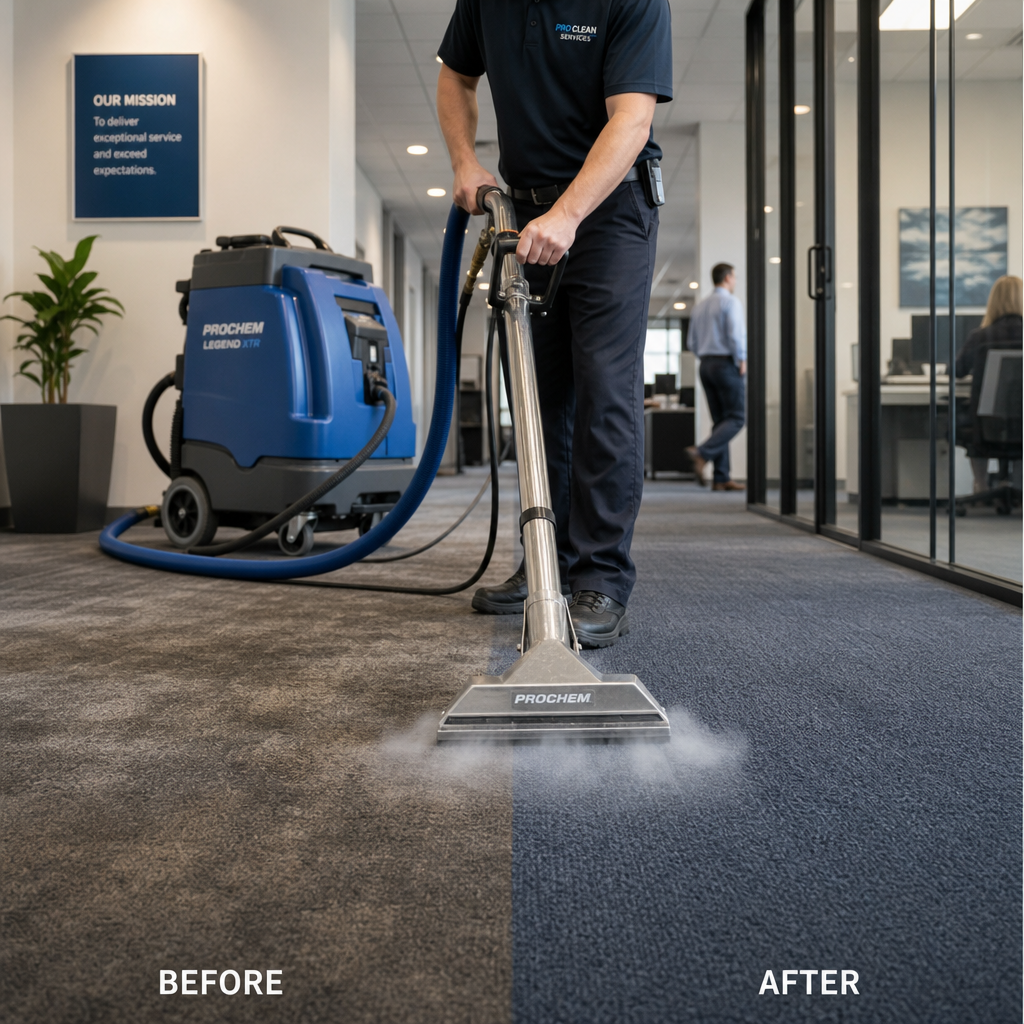
The main cleaning pass uses truck-mounted or high-capacity portable equipment delivering heated water at the correct temperature and pressure. The extraction vacuum removes the emulsified soil, cleaning solution, and moisture simultaneously. A professional machine operating at the correct parameters will leave carpet damp but not wet, with a dry time of 4 to 8 hours depending on airflow and ambient temperature.
Post-Clean Inspection and Protection
A reputable provider walks the space after cleaning to identify any residual spots requiring secondary treatment. Applying a carpet protector, such as a Teflon or fluorocarbon-based protector, after the clean is optional but extends the period before the next deep clean is needed and makes interim spot removal significantly easier.
Triple Star Commercial Cleaning operates across Christchurch and Auckland, providing commercial carpet cleaning services for offices, medical centres, schools, retail stores, and post-construction sites. All sites are covered by public liability insurance, and Triple Star is an UpstreamNZ approved supplier, which gives property managers and body corporates a verified standard to reference when engaging services.
Frequently Asked Questions
How long does commercial carpet cleaning take for a standard Christchurch office?
A 200 to 300 square metre open-plan office typically takes 2 to 4 hours for a thorough hot water extraction clean, including pre-treatment and inspection. Larger spaces with heavy soiling or multiple carpet types will take longer. Most providers in Christchurch can complete the work outside business hours to minimise disruption.
Can commercial carpet cleaning be done while the office is occupied?
Section-by-section cleaning during business hours is possible, but it is not ideal. Hot water extraction leaves carpet damp for 4 to 8 hours, and walking on damp carpet recontaminates the surface immediately. The professional approach is to clean outside business hours or on weekends, which is standard practice for Triple Star’s Christchurch commercial clients.
How much does commercial carpet cleaning cost in Christchurch?
Pricing in the Christchurch commercial market typically ranges from $3 to $8 per square metre depending on soiling level, carpet type, and access complexity. Heavily soiled carpets requiring multiple passes, pre-treatment, and stain work sit at the higher end. Request a site inspection quote rather than accepting a per-metre rate without assessment, as rates quoted without inspection often exclude necessary pre-treatment costs.
What is the difference between carpet cleaning and carpet restoration?
Carpet cleaning removes surface and moderately embedded soil through standard hot water extraction. Carpet restoration is a deeper intervention for carpets that have not been professionally cleaned in several years, have significant biological contamination, or have suffered water or flood damage. Restoration typically involves multiple cleaning passes, targeted biochemical treatments for odour and microbial contamination, and sometimes subfloor drying treatment for moisture-affected cases.
Does professional carpet cleaning remove allergens effectively?
Hot water extraction at the correct temperature, typically above 60 degrees Celsius, is effective at removing dust mite allergens, mould spores, and pet dander from carpet fibres and backing. Research published through the American Journal of Respiratory and Critical Care Medicine has demonstrated that professional hot water extraction reduces detectable allergen levels by over 80 percent in tested carpet samples. Dry compound and encapsulation methods do not achieve comparable allergen reduction.
Is carpet cleaning included in standard commercial cleaning contracts?
No. Regular commercial cleaning contracts cover interim vacuuming and spot treatment, but deep carpet cleaning is a separate scheduled service with different equipment, labour, and chemical requirements. Property managers should budget for deep carpet cleaning as a separate line item in their facilities maintenance plan, not assume it is covered by an existing cleaning contract.
If you manage commercial property or run a business in Christchurch, we would like to hear how you currently schedule your carpet cleaning and what challenges you have run into with previous providers.
We would love your feedback and any insights you would share with others. What perspective would you add?
References
- IICRC – Institute of Inspection, Cleaning and Restoration Certification: standards and guidelines for professional carpet cleaning
- Carpet and Rug Institute: research on commercial carpet maintenance, soil load, and lifecycle data
- Statista: global commercial cleaning industry market data and service frequency benchmarks
- United States Environmental Protection Agency: indoor air quality research including carpet and flooring contributions to airborne contaminants
- Forbes: facility management and workplace environment research including indoor air quality and employee productivity