
Bond disputes are one of the most common reasons tenants in Christchurch lose money at the end of a tenancy. According to Tenancy Services New Zealand, bond-related disputes consistently rank among the top issues handled by the Tenancy Tribunal, with cleanliness being the leading cause of deductions. Whether you are a tenant trying to walk away with your full bond intact, or a property manager who needs the property returned to a lettable standard, understanding what end of lease cleaning Christchurch actually requires is not optional. It is the difference between a clean handover and an expensive dispute.
Table of Contents
- Quick Takeaways
- What Is End of Lease Cleaning and Why It Matters in Christchurch
- What Property Managers Actually Inspect During a Final Inspection
- The Most Common Cleaning Failures That Cost Tenants Their Bond
- DIY vs Professional Bond Cleaning in Christchurch
- Comparing Your End of Lease Cleaning Options
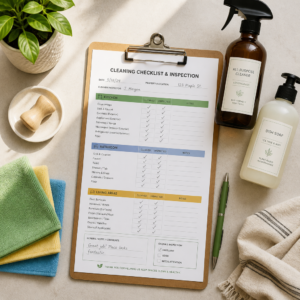
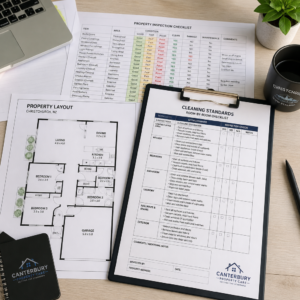
- What a Professional End of Lease Cleaning Checklist Covers
- Carpet and Upholstery Cleaning Requirements for Bond Return
- Frequently Asked Questions
- References
Quick Takeaways
| Key Insight | Explanation |
|---|---|
| Cleanliness is the top bond dispute trigger in NZ | Tenancy Services data consistently shows that cleaning-related issues are the most common reason for bond deductions, ahead of damage and rent arrears. |
| Property managers inspect more than just visible surfaces | Inspectors check inside ovens, tops of door frames, inside wardrobes, and behind appliances. Visible tidiness is not enough. |
| Professional cleaning provides documented evidence | A reputable cleaning company can provide an invoice and checklist that strengthens a tenant’s position if a dispute goes to the Tenancy Tribunal. |
| Carpets often require separate professional treatment | Many tenancy agreements in Christchurch specifically require professional carpet cleaning at the end of tenancy. A basic vacuum will not satisfy this requirement. |
| Timing the clean correctly matters | The clean should happen after all furniture and belongings are removed, and ideally within 24 to 48 hours of the final inspection. |
| Property managers benefit from a consistent cleaning standard | Using a regular commercial cleaning partner helps property managers set a repeatable benchmark for what “clean” means across their portfolio. |
| Insurance and accountability are not optional | Any professional cleaning company working on your property should carry public liability insurance. This protects both tenants and landlords if something goes wrong during the clean. |
What Is End of Lease Cleaning and Why It Matters in Christchurch
End of lease cleaning, also called bond cleaning or move out cleaning, is a thorough top-to-bottom clean of a rental property carried out at the end of a tenancy. It is not the same as a regular weekly clean. The standard required is that the property is returned to the same condition it was in at the start of the tenancy, accounting for fair wear and tear.
In Christchurch, the rental market has remained competitive, with vacancy rates staying low across much of the city. This means properties are being turned over quickly, and landlords and property managers have less tolerance for substandard handovers. A property that is not cleaned to the required standard can delay re-letting, which creates financial pressure on both sides of the tenancy.
The Residential Tenancies Act 1986 places a legal obligation on tenants to leave the property in a reasonably clean condition. What counts as “reasonably clean” is where disputes arise. In practice, the entry inspection report and accompanying photographs set the benchmark. If the property was professionally cleaned before you moved in, you are generally expected to return it to that same standard.


What Property Managers Actually Inspect During a Final Inspection
Property managers in Christchurch conduct final inspections with a checklist, and they are thorough. The inspection is not a casual walk-through. It is a structured assessment that compares the current condition of the property against the entry condition report.
The areas most commonly failed
The oven and rangehood are inspected closely every time. Grease buildup on the oven interior, on the rangehood filter, and on the stovetop is one of the most common causes of bond deductions. These areas require degreasers and proper dwell time, not a quick wipe-down.
Bathroom grouting is another consistent failure point. Soap scum and mildew build up in grouting over time, and standard surface sprays do not remove them. Proper scrubbing with appropriate cleaning agents is required. Window tracks, sliding door tracks, and skirting boards are also inspected and frequently found dirty.
What gets missed by tenants doing their own clean
Tops of kitchen cupboards, the insides of drawers, and the backs of toilets are almost always missed in a DIY clean. Light fittings and ceiling fans accumulate dust that is only visible close-up. Extractor fans in bathrooms and laundries are regularly overlooked. A common mistake is spending hours on visible floor space while ignoring the areas that inspectors specifically look for.
Pro tip: Before your final inspection, photograph every area you have cleaned, including inside the oven, behind the toilet, and the tops of door frames. This photographic record can be useful if there is any dispute about the standard of the clean.
The Most Common Cleaning Failures That Cost Tenants Their Bond
After working across residential and commercial properties in Christchurch, the failures that lead to bond deductions follow a predictable pattern. They are rarely random. They are almost always the result of either insufficient time spent on the clean, or using the wrong products for specific surfaces.
Oven cleaning done incorrectly
Tenants frequently use oven cleaning products but do not allow adequate dwell time, or they fail to remove and clean the oven racks separately. Property managers open the oven door, pull out the racks, and check the back wall of the oven cavity. A clean exterior door does not compensate for a dirty interior.
Carpet issues
Vacuuming carpets before a final inspection is not the same as professionally cleaning them. In Christchurch, many standard tenancy agreements explicitly require professional steam cleaning or hot water extraction cleaning of carpets. A tenant who vacuums only and submits no professional cleaning receipt is vulnerable to a deduction, even if the carpets look acceptable to the naked eye.
Window cleaning
Interior window cleaning is expected as part of a bond clean. External window cleaning is also expected in most cases. Streaky windows from improper technique are a common failure point. Using the wrong products on certain glass coatings can also leave residue that is difficult to remove.
“The condition in which a tenant leaves a property directly reflects the mutual respect both parties bring to a tenancy. A thorough clean is not just about getting a bond back. It is about leaving a property in a state you would be comfortable receiving it in.” – Tenancy Services New Zealand guidance on tenant obligations
DIY vs Professional Bond Cleaning in Christchurch
The honest answer is that DIY bond cleaning works for some tenants and fails for others. The determining factors are the size of the property, how long you have lived there, and whether you have the equipment and products required for the specific tasks involved.
A small studio apartment where the tenant maintained a clean standard throughout the tenancy can often be handled without professional help, assuming the tenant has access to appropriate cleaning products and is willing to invest the time. A three-bedroom house with carpets, a heavily used oven, and multiple bathrooms is a different situation entirely.
The real cost comparison
Tenants often calculate the cost of professional bond cleaning Christchurch against the bond amount at risk. If your bond is $2,000 and a professional clean costs $400 to $600 for a standard three-bedroom property, the financial logic strongly favours professional cleaning. A failed inspection that requires re-cleaning or results in a bond deduction will cost more than the initial investment in professional help.
Property managers who work with a consistent commercial cleaning provider also benefit from predictability. When the same cleaning team handles a vacated property using the same checklist every time, the inspection process is faster and disputes are reduced.
Pro tip: Ask your cleaning provider for an itemised checklist of everything that will be cleaned. This document, combined with their invoice, is your strongest evidence if a landlord or property manager raises a disputed cleaning claim at the Tenancy Tribunal.

Comparing Your End of Lease Cleaning Options
| Approach | Best For | Key Limitations |
|---|---|---|
| DIY Tenant Clean | Small, well-maintained properties. Tenants with time, correct products, and cleaning experience. | No professional receipt as evidence. High risk of missing areas inspectors specifically check. Cannot professionally clean carpets. |
| Franchise Cleaning Companies (e.g. large national chains) | Tenants wanting a branded name on their receipt. Properties in areas with good franchise coverage. | Variable quality depending on individual franchisee. Less flexibility on scheduling and scope adjustments. Can be more expensive with less personalised service. |
| Established Local Commercial Cleaning Provider (e.g. Triple Star Commercial Cleaning) | Tenants and property managers who need consistent quality, a full checklist including carpets and windows, and accountability through public liability insurance. | Requires advance booking, particularly in busy rental turnover periods. Best results require clear communication of scope beforehand. |
What a Professional End of Lease Cleaning Checklist Covers
A professional end of tenancy cleaning Christchurch service should cover a defined scope that goes well beyond what most tenants expect. The checklist is not just a list of rooms. It is a room-by-room breakdown of every surface, fixture, and fitting that will be cleaned.
Kitchen requirements
The kitchen checklist includes the oven interior and exterior, rangehood and filter, all cupboard interiors and exteriors, drawer interiors, benchtops, splashbacks, sink and taps, dishwasher interior (if applicable), and the floor including edges and corners. The fridge interior is also cleaned if the appliance is included in the tenancy.
Bathroom and laundry requirements
Bathrooms require cleaning of the toilet bowl, seat, cistern, and base, as well as the shower screen, tiles, grouting, vanity, taps, mirror, extractor fan, and floor. The laundry area requires cleaning of the tub, taps, cabinetry, and floor. Limescale removal is often required around taps and showerheads, particularly in properties in areas of Christchurch with harder water.
Living areas and bedrooms
All skirting boards, light switches, power points, door frames, and window sills are wiped down. Wardrobes are cleaned inside and out. Curtain tracks are dusted. Ceiling fans and light fittings are cleaned. Marks on walls are spot-cleaned where possible, though repainting is a separate matter handled by the landlord if the damage exceeds fair wear and tear.
Carpet and Upholstery Cleaning Requirements for Bond Return
Carpet cleaning is the single most commonly disputed item in Christchurch bond claims. The confusion arises because tenants often believe vacuuming constitutes adequate cleaning. It does not, in most cases.
If the property entry condition report states that carpets were professionally cleaned prior to the tenancy, tenants are generally required to have carpets professionally cleaned before vacating. Tenancy Services New Zealand makes this clear: like-for-like standards apply. The type of professional cleaning required depends on the carpet type and the degree of soiling, but hot water extraction is the industry standard for most residential carpets in New Zealand.
Upholstery cleaning is less commonly addressed in tenancy agreements, but if the rental property includes upholstered furniture, the same principle applies. Staining or soiling that was not present at the start of the tenancy is a tenant’s responsibility.
Triple Star Commercial Cleaning provides both carpet cleaning and upholstery cleaning as part of its end of lease service offering in Christchurch, which means tenants and property managers can coordinate the full scope of the clean through one provider rather than managing multiple contractors.
Frequently Asked Questions
How much does end of lease cleaning cost in Christchurch?
The cost of end of lease cleaning in Christchurch depends on the size of the property and the scope of work required. A standard one-bedroom apartment typically ranges from $250 to $400. A three-bedroom house with carpets and a heavily used kitchen can range from $450 to $750 or more. Carpet cleaning is usually quoted separately. Getting an itemised quote before committing ensures there are no surprises, and allows you to match the scope against your entry condition report.
Does the landlord have to accept a professional cleaning receipt as proof?
A professional cleaning receipt does not automatically guarantee bond return, but it is strong evidence that you have met your obligation to return the property in a clean condition. If a landlord or property manager claims the property was not adequately cleaned despite a professional service having been carried out, the receipt and the cleaning checklist can be submitted to the Tenancy Tribunal. In practice, most landlords do not pursue deductions when a credible professional cleaning service has been completed and documented.
What happens if I fail the final inspection due to cleaning?
If you fail the final inspection due to cleaning, you will typically be given an opportunity to re-clean specific areas before the landlord arranges their own cleaning at your cost. If you do not remedy the issue, the landlord can apply to have cleaning costs deducted from your bond through Tenancy Services New Zealand. The cost of a landlord-arranged clean is almost always higher than arranging it yourself through a professional cleaning company beforehand.
Do property managers in Christchurch use a standard cleaning checklist?
Property managers use their own checklists, which vary between agencies. However, the items inspected are broadly consistent: kitchen appliances, bathrooms, carpets, windows, skirting boards, and light fittings. The entry condition report is the primary reference document. Requesting a copy of the inspection checklist from your property manager before you vacate is a practical step that gives you a clear target to work against.
Can I use the same cleaning company for the end of lease clean and ongoing office cleaning?
Yes, and for property managers and business owners managing multiple properties or commercial spaces in Christchurch, using a single provider for both end of lease cleaning and regular commercial cleaning makes coordination significantly simpler. Triple Star Commercial Cleaning provides end of lease cleaning alongside office cleaning, commercial cleaning, and regular maintenance cleaning, which means clients working across residential and commercial properties can maintain a consistent standard without managing multiple contractors.
Is end of lease cleaning required by law in New Zealand?
The Residential Tenancies Act 1986 requires tenants to leave the property in a reasonably clean and tidy condition. It does not specify that professional cleaning must be used, unless the tenancy agreement includes a clause requiring it, which is common in many Christchurch tenancy agreements particularly for carpets. What the Act does require is that the property is returned in the same condition as it was received, accounting for fair wear and tear. In practical terms, if the property was professionally cleaned before you moved in, you need to professionally clean it before you leave.
If you have recently dealt with a bond dispute or found a cleaning approach that worked well for your Christchurch tenancy handover, share your experience in the comments. It helps other tenants and property managers navigate the same process.
We would love your feedback and any insights you would share with others. What perspective would you add?
References
- Tenancy Services New Zealand: official guidance on tenant obligations, bond returns, and the Tenancy Tribunal process
- New Zealand Legislation: full text of the Residential Tenancies Act 1986 covering tenant and landlord obligations at end of tenancy
- Consumer NZ: practical advice on rental rights, bond disputes, and what tenants can do when a landlord withholds bond
- Forbes: research and reporting on property management best practices and tenant-landlord dispute resolution
- Statista: data and statistics on rental market trends and cleaning industry benchmarks relevant to property management