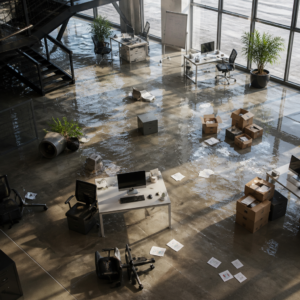
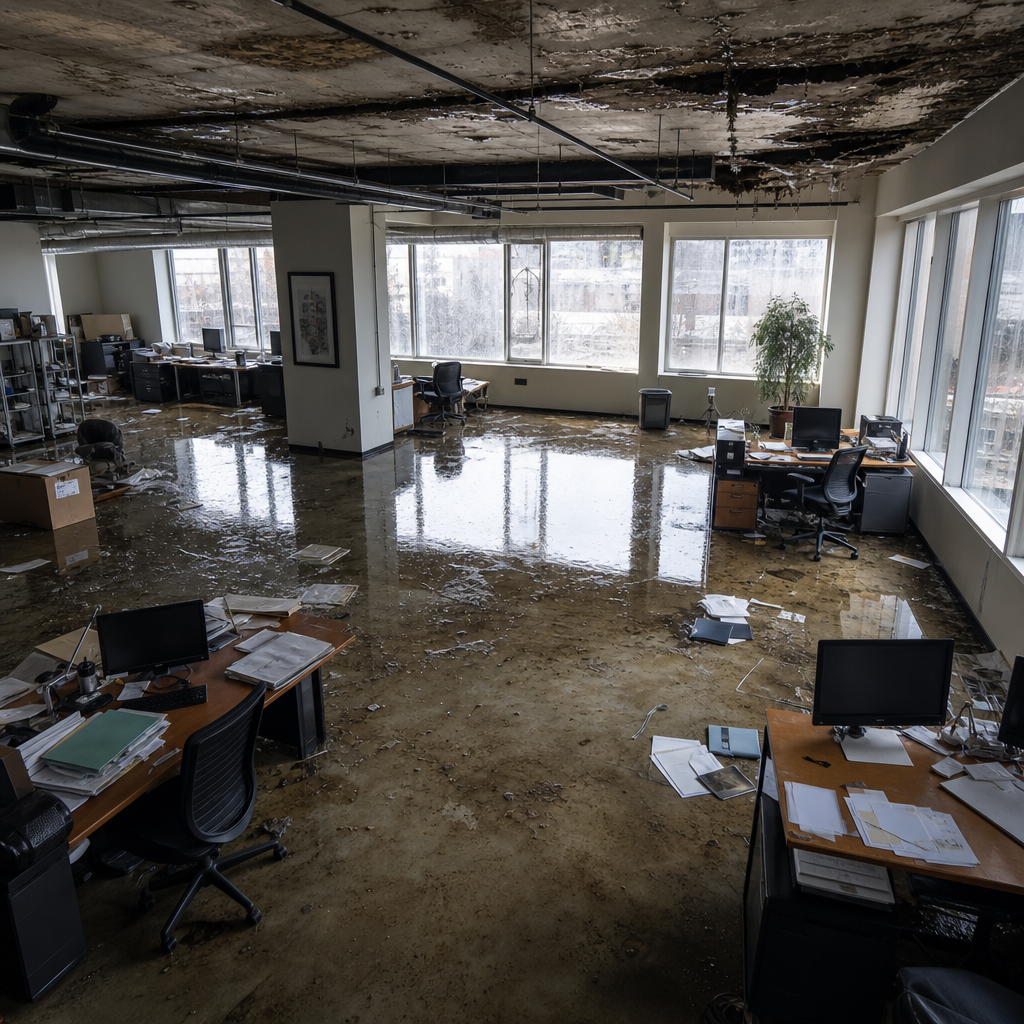
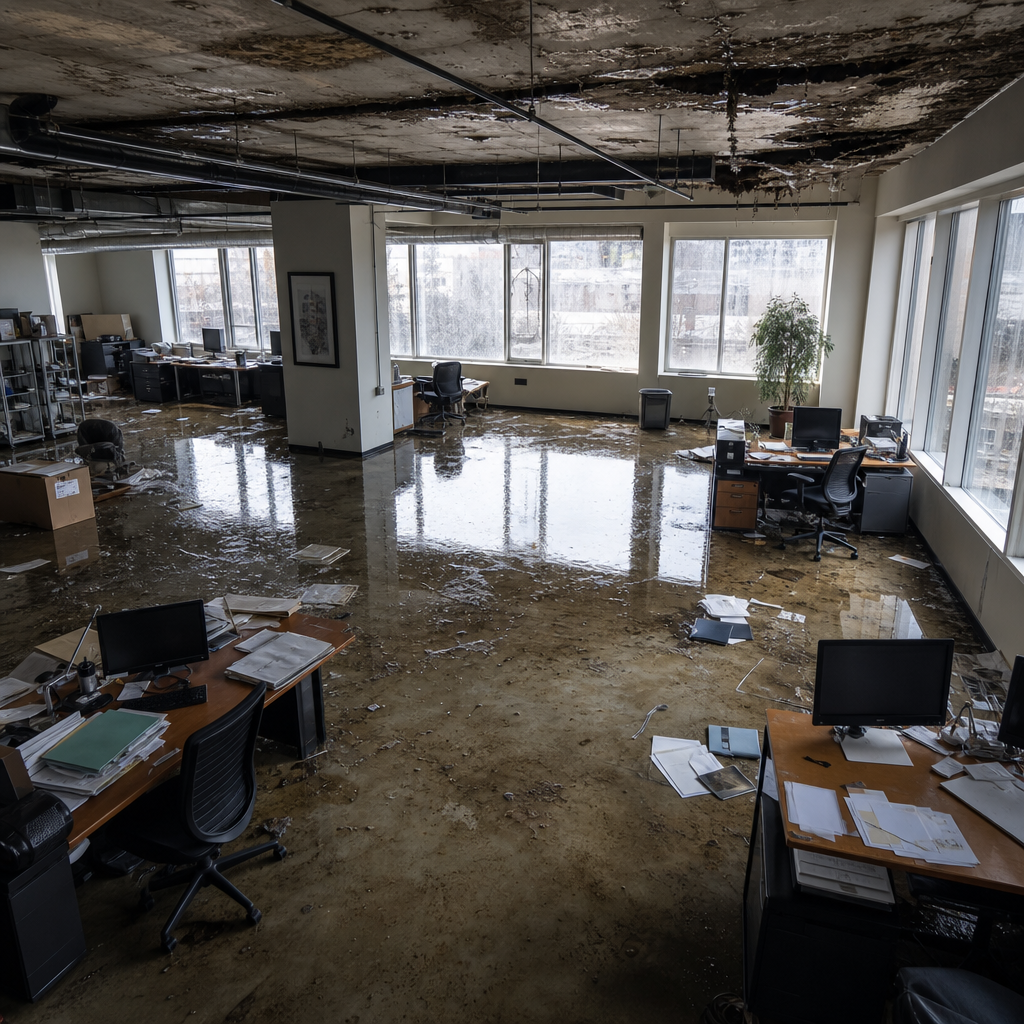
A burst pipe, a storm surge, or an unexpected plumbing failure can turn a well-managed commercial property into a liability overnight. Christchurch property managers face a specific challenge: the city’s seismic history has left many buildings with ageing infrastructure, and when water damage strikes, the window for effective intervention is brutally short. Flood restoration in Christchurch is not just about mopping up water. It is about making the right decisions in the first two to four hours, choosing the right professional partners, and documenting everything correctly to protect your insurance position and your tenants.
Table of Contents
- Quick Takeaways
- Why Christchurch Properties Face Elevated Flood Risk
- The First Four Hours: Emergency Response Protocol
- Water Damage Categories: What Property Managers Must Know
- Professional vs DIY Flood Cleanup: A Direct Comparison
- Mould: The Hidden Consequence of Delayed Water Damage Cleaning
- Insurance Documentation and Your Legal Obligations
- Selecting a Flood Restoration Company in Christchurch
- Frequently Asked Questions
- References
Quick Takeaways
| Key Insight | Explanation |
|---|---|
| Act within 24 to 48 hours | Mould colonies begin forming within 24 to 48 hours of water intrusion. Delays beyond this window substantially increase remediation costs and health risks for building occupants. |
| Water category determines your response | Category 1 (clean water) allows faster salvage. Category 3 (blackwater from sewage or flooding) requires full protective protocols and often mandates disposal of porous materials rather than drying. |
| Document before you remove anything | Photograph and video every affected area before extraction begins. Insurance assessors and EQC reviewers rely heavily on pre-remediation evidence. Missing documentation is a common reason claims are reduced. |
| Structural drying takes longer than it looks | Surface dryness does not indicate structural dryness. Concrete and cavity walls can retain moisture for weeks, creating ongoing mould risk beneath surfaces that appear clean. |
| Your liability does not pause during restoration | As a property manager or building owner, your duty of care to tenants continues throughout the restoration period. Wet floors, compromised air quality, and electrical hazards must be managed and communicated in writing. |
| Specialist equipment is non-negotiable | Industrial dehumidifiers, thermal imaging cameras, and moisture meters are not optional tools. They are the difference between confirmed drying and guesswork that leads to callback costs six months later. |
| One supplier covering cleaning and restoration saves coordination time | Using a single provider for extraction, drying, antimicrobial treatment, and post-restoration cleaning reduces the risk of scope gaps, conflicting timelines, and finger-pointing between contractors. |
Why Christchurch Properties Face Elevated Flood Risk
Christchurch has a specific flood risk profile that property managers elsewhere in New Zealand do not face to the same degree. The 2010 and 2011 earthquakes caused widespread liquefaction, which altered drainage patterns and left parts of the city with compromised underground infrastructure. Many commercial buildings, particularly those constructed before 2011 and not fully rebuilt, carry residual vulnerabilities in their plumbing and drainage systems.
Beyond earthquake legacy, Christchurch sits on the Canterbury Plains with the Avon River running through the city centre. Heavy rainfall events, which have increased in frequency according to NIWA climate data, regularly push stormwater systems beyond design capacity. For property managers overseeing multiple buildings, this is not a once-in-a-decade risk. It is a seasonal operational concern.
In practice, the buildings most at risk are ground-floor retail and office spaces, basement car parks, older brick or concrete tilt-slab warehouses, and any property with flat or low-gradient roofing. If you manage any of these building types in Christchurch, a written flood response plan is not a nice-to-have. It is part of responsible facility management.
The First Four Hours: Emergency Response Protocol
The decisions made in the first four hours after water intrusion is discovered determine the total cost of restoration. This is not an exaggeration. The difference between a contained, manageable event and a full structural remediation project often comes down to how quickly and correctly the initial response is executed.
Step 1: Isolate the Source and Cut Power
Before any cleaning or extraction work begins, confirm the water source has been stopped or is under control. If the source is still active (burst pipe, roof failure, rising stormwater), no remediation work is safe or effective. Once the source is contained, cut power to affected areas. Water and live electrical circuits in commercial settings are a direct liability and a genuine safety threat.
Step 2: Call Your Insurer Before You Call a Cleaner
A common mistake among property managers is engaging contractors immediately without first notifying their insurer. Most commercial property policies require prompt notification and, in some cases, prior approval before significant remediation spend is committed. Calling your insurer first does not delay the response. It protects your right to claim.
Step 3: Document Comprehensively
Walk the entire affected area with a phone or camera and capture dated footage of every surface, piece of equipment, and fitting showing water contact. Include meter readings if you have them. This evidence is what separates a successful insurance claim from a contested one.
Step 4: Engage Professional Flood Restoration
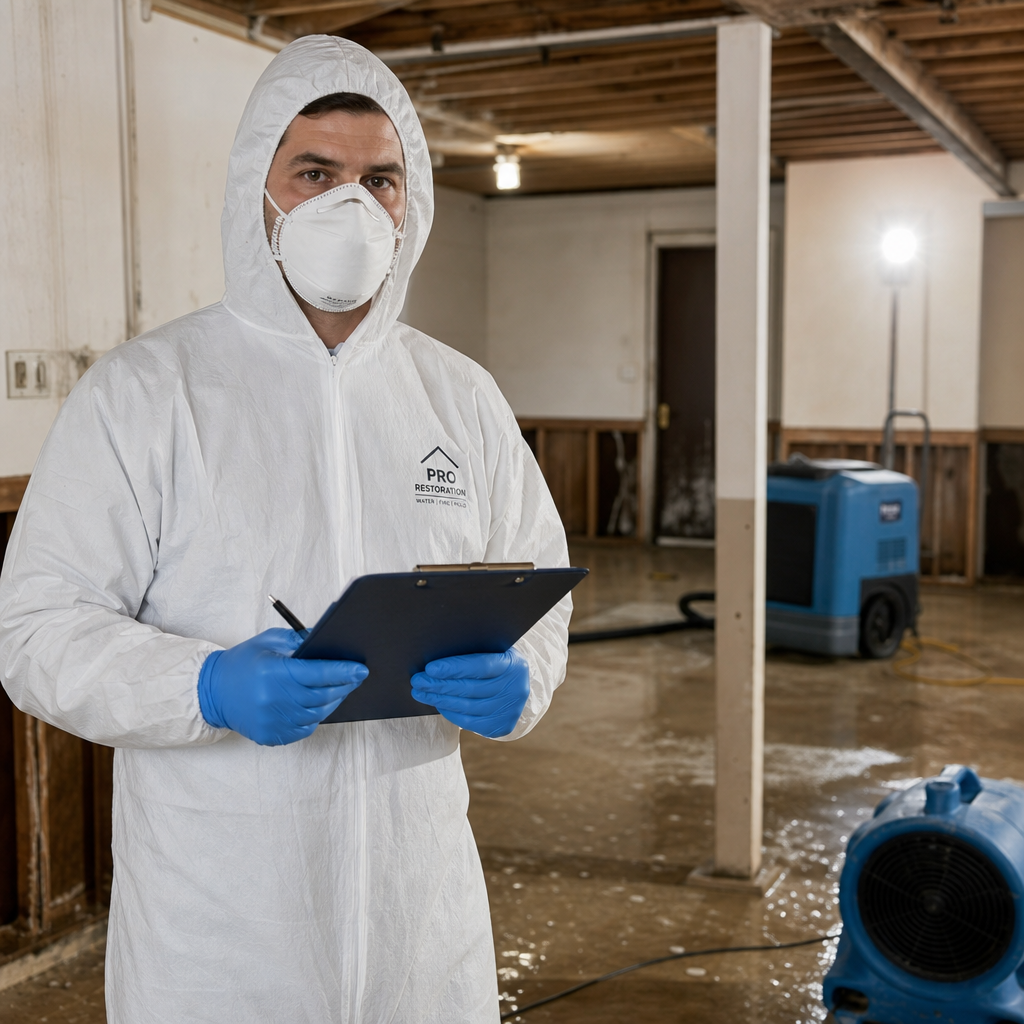
Emergency flood cleanup in Christchurch requires industrial water extraction equipment, not shop vacs or wet mops. A professional restoration team will arrive with truck-mounted extractors, commercial air movers, and dehumidifiers capable of handling large commercial floor plates. Triple Star Commercial Cleaning provides flood restoration services across Christchurch, covering the full scope from initial extraction through to antimicrobial treatment and post-restoration cleaning, giving property managers a single point of contact rather than multiple contractors to coordinate.
Pro tip: Keep a laminated one-page flood response card at the main switchboard of every building you manage. Include the water shutoff valve location, the after-hours contact for your cleaning and restoration provider, your insurance policy number, and the local Christchurch City Council stormwater emergency number (03 941 8999). Staff who discover flooding at 6am need information, not instructions to go find a file.
Water Damage Categories: What Property Managers Must Know
The Institute of Inspection Cleaning and Restoration Certification (IICRC) classifies water damage into three categories. Understanding these categories is not just technical trivia. They directly affect what materials can be salvaged, what personal protective equipment is required, and what your insurer will expect to see documented.
Category 1: Clean Water
Category 1 water originates from a sanitary source, such as a broken supply line, a malfunctioning appliance, or rainwater before it contacts contaminated surfaces. This category poses the lowest immediate health risk and gives restoration teams the most options for drying and salvaging materials.
Category 2: Grey Water
Grey water contains significant contamination and can cause illness upon ingestion or exposure. Sources include dishwasher overflow, washing machine discharge, and toilet overflow without faecal matter. In commercial settings, this commonly occurs in kitchenette areas or bathroom facilities. Porous materials that have absorbed Category 2 water are typically replaced, not dried.
Category 3: Black Water
Category 3 (blackwater) is the most serious classification. It includes sewage backup, rising floodwater from rivers or stormwater systems, and any water that has been standing long enough to grow pathogens. For Christchurch property managers dealing with stormwater intrusion events, the water entering the building from outside is almost always Category 3 by the time it reaches your floor. Full protective protocols apply, and restoration teams must treat all contacted surfaces as contaminated.
“Water damage restoration is a race against biology. The longer contaminated water sits in a building, the more the microbial load multiplies and the more structural materials become unsalvageable.” – IICRC S500 Standard and Reference Guide for Professional Water Damage Restoration
Professional vs DIY Flood Cleanup: A Direct Comparison
The appeal of handling flood cleanup in-house is understandable. Calling a professional team feels like an immediate cost. But in practice, DIY flood cleanup in commercial settings almost always costs more in the medium term than engaging specialists from the outset. The reasons are specific, not general.
Consumer-grade wet vacuums extract surface water but cannot address moisture trapped in wall cavities, under floating floors, or within structural timbers. Without thermal imaging to identify moisture migration paths and industrial dehumidifiers running continuously until confirmed dryness, moisture remains in the structure. That moisture becomes mould. That mould becomes a much larger remediation project, often triggered six to twelve weeks after the original event when occupants start reporting health complaints or visible growth appears.
| Approach | Immediate Cost | Risk Profile and Likely Outcomes |
|---|---|---|
| DIY Cleanup (staff or building maintenance) | Low upfront. Labour cost only. | High risk of incomplete drying, mould development within weeks, repeat remediation required, and potential health complaints from staff or tenants. Insurance claims may be complicated if professional extraction was not performed. |
| Professional Flood Restoration (full service) | Higher upfront. Equipment, labour, and treatment costs. | Confirmed structural drying documented with moisture readings, antimicrobial treatment applied, insurance-ready reporting provided. Lower total cost when mould remediation avoided. |
| Partial Professional (extraction only, DIY drying) | Moderate. Extraction fees without full service. | Reduces immediate water volume but leaves structural drying incomplete. Common outcome is persistent moisture in walls and subfloors. Often leads to partial mould remediation costs within two to three months. |
For property managers overseeing commercial buildings under lease, the calculation is even clearer. Tenants have legal recourse if a property becomes uninhabitable due to mould or water damage that the building owner failed to remediate properly. The cost of professional water damage cleaning in New Zealand is almost always lower than the cost of a disputed lease, a rent abatement, or a WorkSafe investigation triggered by occupant health complaints.
Mould: The Hidden Consequence of Delayed Water Damage Cleaning
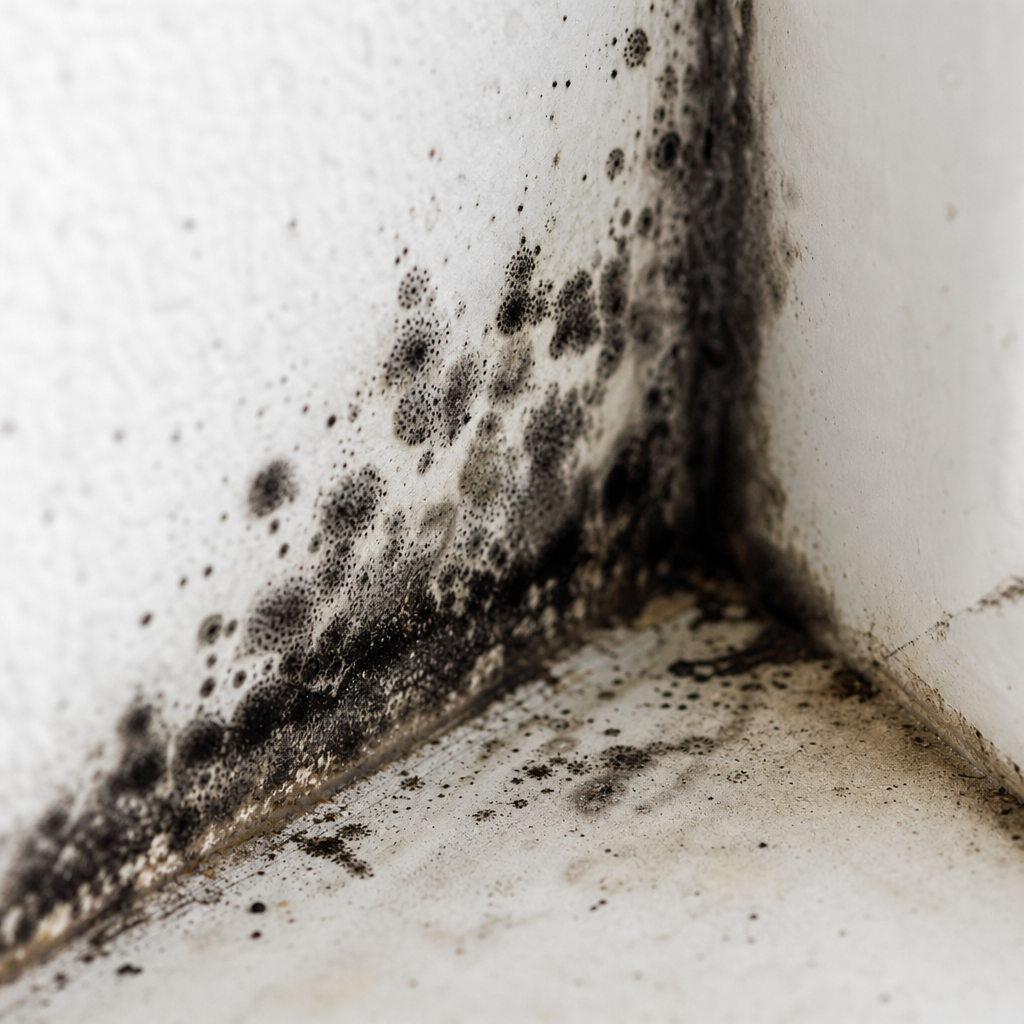
Mould is where property managers consistently underestimate their exposure. The visible patch on a skirting board or ceiling tile is rarely the full picture. By the time mould is visible, it has typically been growing in wall cavities, under flooring, and within HVAC ductwork for weeks. The data consistently shows that mould begins colonising wet building materials within 24 to 48 hours at temperatures above 10 degrees Celsius, which describes most Christchurch commercial buildings year-round.
Health and Liability Implications
Under the Health and Safety at Work Act 2015, building owners and employers have a duty to maintain a safe working environment. A mould-affected building that is allowed to deteriorate constitutes a foreseeable risk that the duty holder is required to address. WorkSafe New Zealand has issued guidance specifically on moisture and mould in indoor environments, and the bar for demonstrating adequate response is higher than most property managers expect.
Mould Remediation vs Mould Cleaning
There is an important distinction between surface mould cleaning and proper mould remediation. Surface cleaning with antimicrobial products removes visible growth but does not address mould within building materials. True remediation involves confirming the moisture source is resolved, removing contaminated materials where necessary, applying appropriate treatments to structural surfaces, and running air filtration to reduce airborne spore counts. Triple Star Commercial Cleaning applies antimicrobial treatments as part of the flood restoration scope, which materially reduces the likelihood of mould establishing in affected areas when intervention is timely.
Pro tip: After any significant water event in a commercial building, schedule a follow-up moisture check at 14 days and again at 30 days. Even buildings that appear dry often show elevated moisture readings in wall cavities and subfloor spaces at these intervals. Catching residual moisture at 14 days costs a fraction of what full mould remediation costs at 60 days.
Insurance Documentation and Your Legal Obligations
Insurance claims for water damage and flood restoration in commercial properties fail or are reduced for predictable, avoidable reasons. The most common are: inadequate pre-remediation documentation, failure to notify the insurer promptly, and inability to demonstrate that reasonable mitigation steps were taken immediately after the event.
What Your Insurer Needs
Your insurer will typically require dated photographic or video evidence of the damage before work begins, a scope of work from the restoration contractor, moisture readings at baseline and at confirmed dryness, receipts and invoices for all remediation work, and a statement of how the water event occurred. A reputable restoration company will provide a written moisture log as part of their service. If a contractor cannot provide documented dryness readings, that is a significant red flag.
Your Obligations Under the Building Act and Tenancy Law
Commercial property managers in New Zealand operate under obligations imposed by the Building Act 2004, the Property Law Act 2007, and the terms of individual lease agreements. In practice, most commercial leases place the obligation to maintain the building in a weathertight and structurally sound condition on the landlord. A flood event that is not remediated to a confirmed standard can trigger rent abatement provisions or lease termination rights for the tenant. Getting restoration documentation right is therefore both an insurance and a legal risk management exercise.
Selecting a Flood Restoration Company in Christchurch
Not all cleaning companies are equipped for flood restoration work. The market includes general commercial cleaners who will offer to help with water damage using standard equipment. The results are predictably incomplete. When selecting a flood restoration provider in Christchurch, the criteria that actually matter are specific.
Equipment Capability
The provider must operate industrial water extractors (not consumer wet vacs), commercial-grade dehumidifiers rated for the square footage of the affected area, thermal imaging or infrared cameras to detect hidden moisture, and moisture meters for ongoing monitoring. Ask directly what equipment they will bring to your site and how they document drying progress.
Insurance and Compliance
Your restoration contractor must carry public liability insurance. This is non-negotiable. If a contractor causes further damage during remediation work and is not insured, the cost lands with you. Triple Star Commercial Cleaning holds public liability insurance coverage across all cleaning and restoration sites, which is a baseline requirement that not every operator in the Christchurch market meets.
Scope Integration
The most efficient outcome for property managers is a provider who can handle the complete scope: initial extraction, structural drying, antimicrobial treatment, carpet and upholstery cleaning where salvageable, and the final post-restoration clean before tenants return. Using separate contractors for each phase introduces coordination risk, scope gaps, and timeline conflicts. Triple Star Commercial Cleaning covers this full scope, from emergency flood cleanup through to carpet cleaning, floor treatment, and end-of-event commercial cleaning across both Christchurch and Auckland properties.
Larger franchise networks like Crest Clean and Jani-King operate on franchise models where individual operator capability and equipment vary significantly between franchisees. For a flood restoration event where equipment specification and response time are critical, a directly employed and managed team with consistent standards is a meaningful practical advantage.
Frequently Asked Questions
How quickly can Triple Star Commercial Cleaning respond to a flood emergency in Christchurch?
Triple Star Commercial Cleaning operates across Christchurch and Auckland with a focus on responsive, reliable service. For flood restoration and emergency water damage events, contact the team directly through www.3plestar.nz to discuss response times for your specific situation. Having your provider’s contact details saved before an event occurs is the most effective way to ensure the fastest possible response when you need it.
What is the difference between flood restoration and standard commercial cleaning?
Standard commercial cleaning maintains a building in its normal condition. Flood restoration is a specialist remediation process that involves water extraction using industrial equipment, structural drying monitored with moisture meters and thermal imaging, antimicrobial treatment to prevent mould, and documented confirmation that the building has returned to pre-event moisture levels. The equipment, training, and process are substantially different from routine cleaning work.
Can flood-damaged carpet in a commercial building always be saved?
It depends on the water category and the duration of contact. Carpet exposed to Category 1 (clean water) for a short period can often be extracted, dried, and treated successfully. Carpet exposed to Category 3 water (stormwater, sewage backup) or any water left standing for more than 24 to 48 hours is typically not salvageable and should be replaced. A professional assessment with moisture readings will confirm which situation you are facing.
Does public liability insurance cover flood damage to tenant property inside a commercial building?
Public liability insurance held by the building owner or property manager covers third-party bodily injury or property damage caused by the insured’s negligence. Damage to a tenant’s equipment or stock during a flood event may fall under the tenant’s own contents insurance or under the building owner’s liability cover, depending on the cause. You need to review your specific policy wording and notify your insurer promptly. This is exactly why documentation of the event and your response actions is critical from the outset.
How long does commercial flood restoration typically take in a Christchurch office building?
A straightforward Category 1 water event affecting a single floor of a commercial office, with prompt professional response, typically requires three to five days of active drying before moisture readings confirm structural dryness. Category 2 or 3 events, or situations where response was delayed, commonly require seven to fourteen days or longer. Larger buildings, those with multiple affected levels or complex construction, take longer. The only reliable answer comes from daily moisture readings, not from a fixed timeline estimate given before drying begins.
Is flood restoration in Christchurch covered under the Earthquake Commission or EQC?
EQC cover (now administered through Toka Tu Ake EQC) applies to natural disaster damage including flooding caused by storms or runoff, for residential properties. Commercial properties are not covered by EQC. Commercial flood restoration costs are managed through commercial property insurance policies. Property managers should confirm with their insurer what flood and water damage cover applies to each building they manage, as policy terms vary significantly.
If you manage commercial or residential properties in Christchurch or Auckland and have dealt with a water damage event, we would welcome hearing what response approaches worked well for your situation and what you would do differently next time.
We would love your feedback and any insights you would share with others. What perspective would you add?
References
- NIWA climate and weather research covering New Zealand regional flood and rainfall risk data
- WorkSafe New Zealand guidance on workplace health obligations including moisture, mould, and building safety
- Toka Tu Ake EQC information on natural disaster cover and the claims process for New Zealand property owners
- IICRC standard and reference guide for professional water damage restoration and remediation classification
- New Zealand Ministry of Business, Innovation and Employment building performance guidance on weathertightness and property maintenance obligations