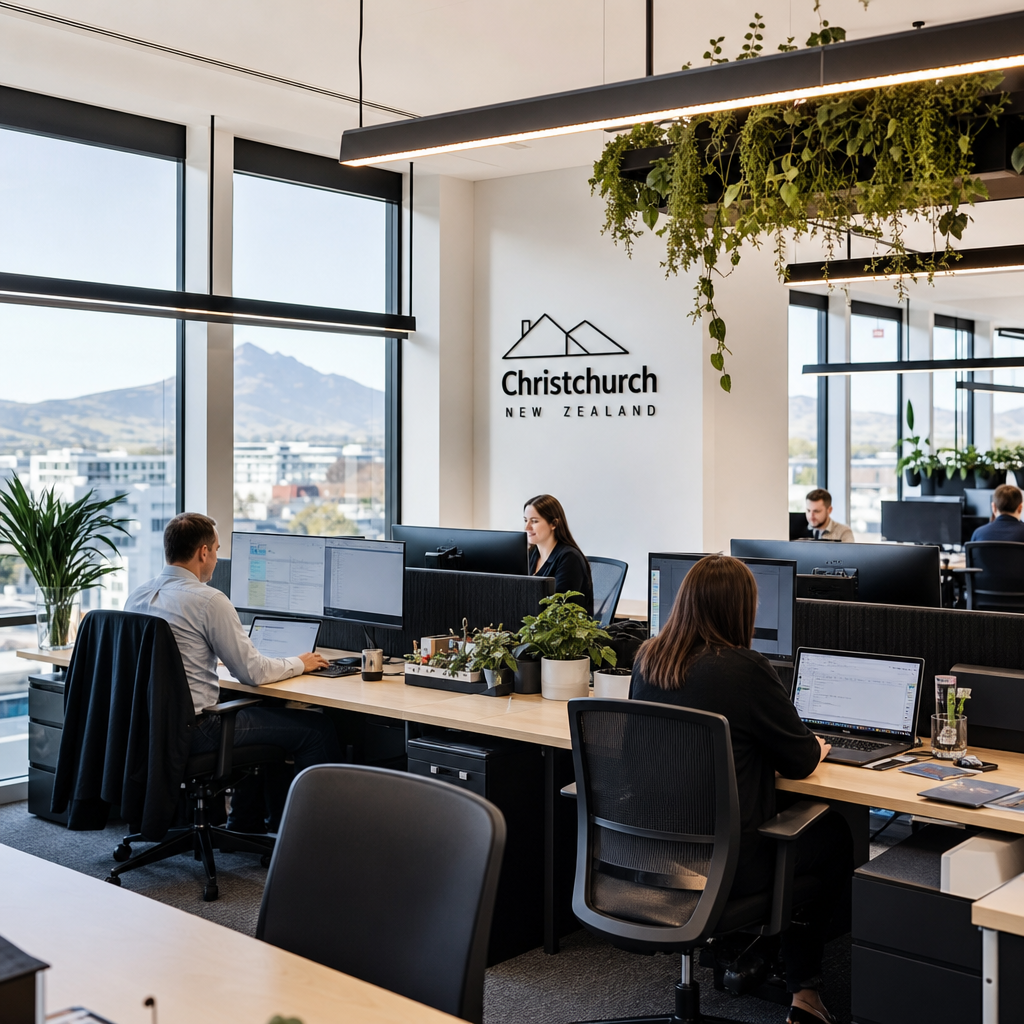
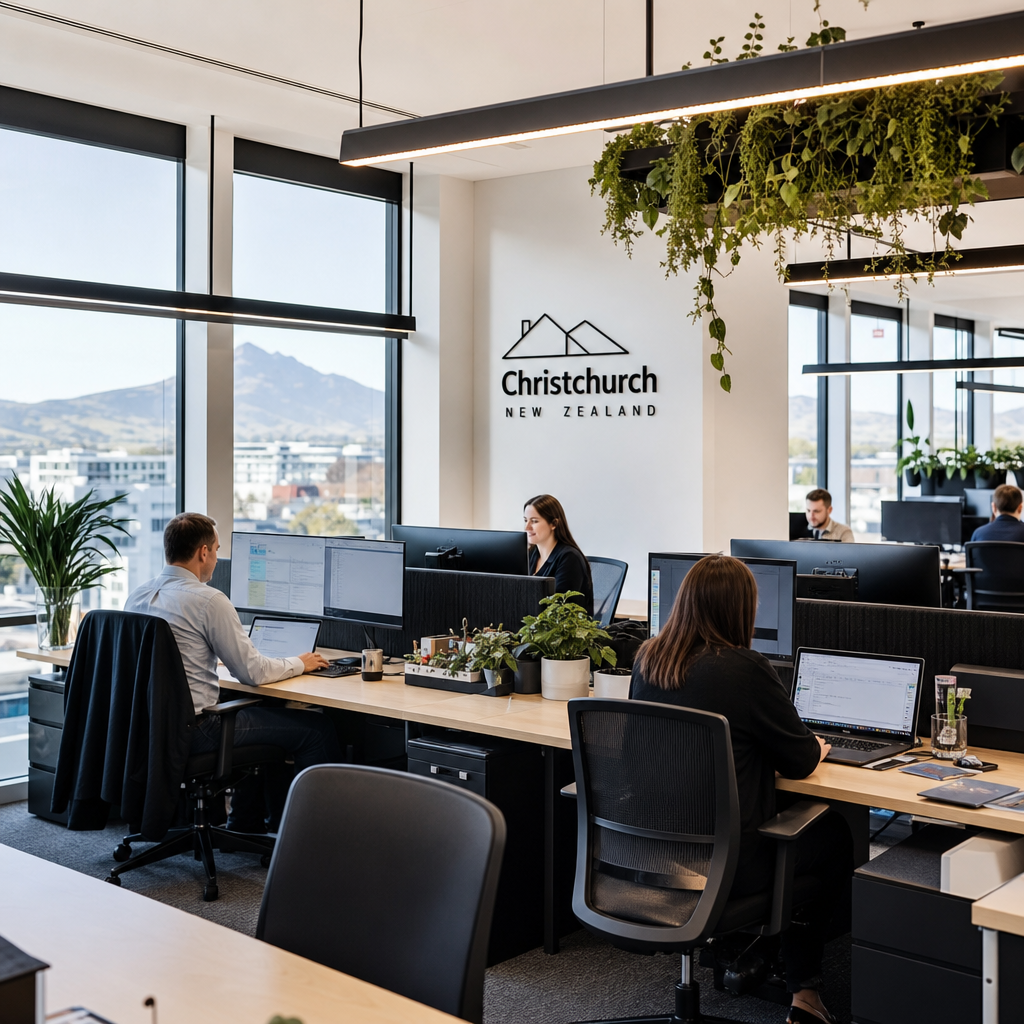
Most Christchurch businesses underestimate what an inconsistent cleaning schedule actually costs them. Staff sick days increase, client impressions suffer, and compliance risks quietly accumulate. Research from the Healthy Work Environments Foundation estimates that poor workplace hygiene costs New Zealand businesses hundreds of millions annually in lost productivity. If you manage an office, retail store, medical centre, or commercial building in Christchurch, office cleaning Christchurch is not a discretionary spend – it is operational infrastructure. This article explains exactly why consistency matters, what breaks down without it, and how to build a cleaning programme that actually holds.
Table of Contents
- Quick Takeaways
- The Real Cost of Inconsistent Cleaning
- Health, Compliance, and Your Legal Obligations
- What Consistent Cleaning Looks Like in Practice
- Cleaning Frequency Comparison
- How Christchurch Businesses Differ from Auckland
- Choosing the Right Commercial Cleaning Partner
- Frequently Asked Questions
- References
Quick Takeaways
| Key Insight | Explanation |
|---|---|
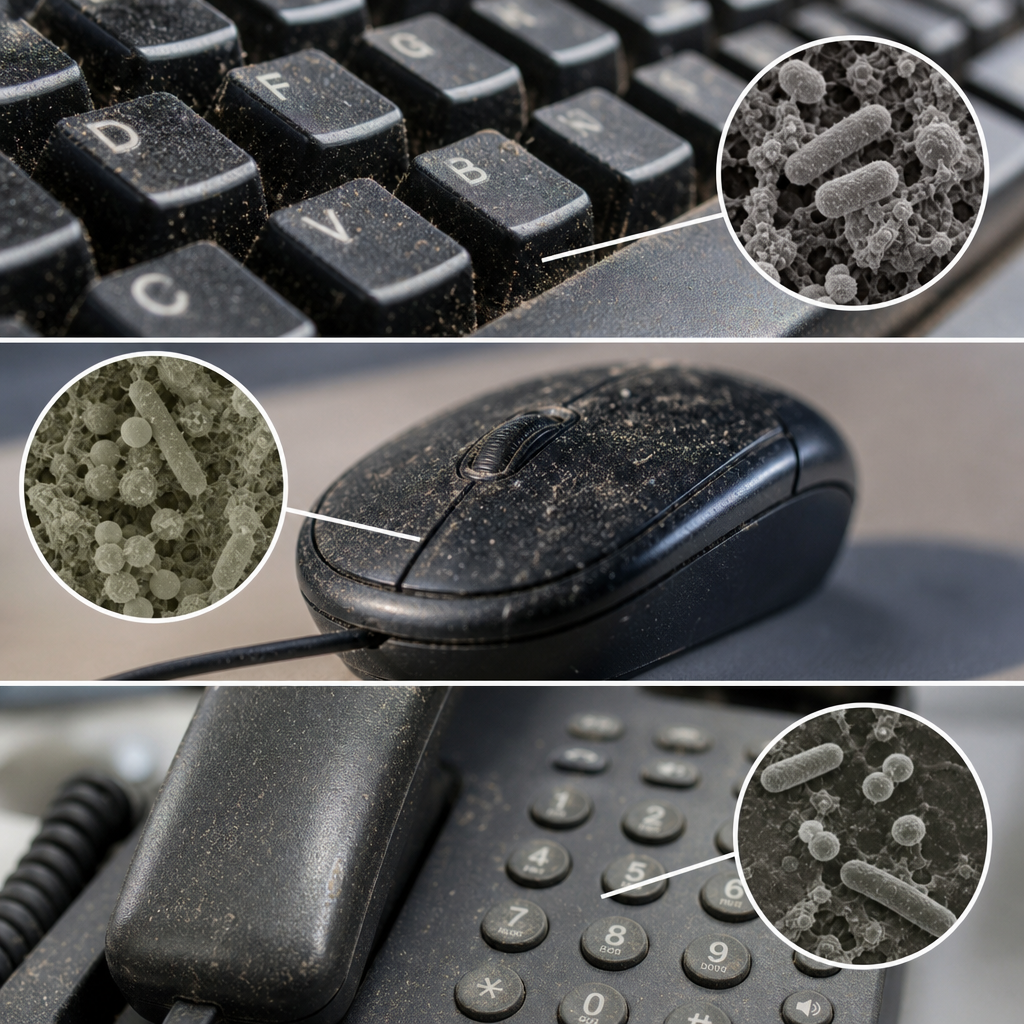
| Inconsistent cleaning raises sick leave rates | Shared surfaces like keyboards, door handles, and kitchenette benches harbour bacteria that spread across a team within days when cleaning is skipped or delayed. |
| Client-facing spaces set first impressions immediately | A dirty reception area or smudged glass entry signals poor operational discipline before a single word is spoken. Christchurch clients notice this. |
| WorkSafe NZ holds employers responsible for workplace hygiene | Under the Health and Safety at Work Act 2015, employers have a duty to maintain clean, safe work environments. An inadequate cleaning schedule is a documented compliance risk. |
| Carpet and floor degradation accelerates without regular maintenance | Commercial carpet that is not vacuumed and cleaned on a scheduled basis loses its structural integrity faster, meaning earlier replacement and higher capital costs. |
| Professional cleaners catch maintenance issues early | Trained cleaners who visit regularly will notice a leak under a sink, mould forming in a corner, or a broken ceiling tile long before it escalates into a costly repair. |
| Staff morale is directly affected by office cleanliness | Multiple workplace studies confirm that employees in clean environments report higher job satisfaction and lower stress. A dirty office communicates that management does not care about their wellbeing. |
| Frequency must match usage, not habit | A high-traffic Christchurch medical centre or school needs a different cleaning schedule than a small back-office operation. One-size-fits-all frequency is a common and expensive mistake. |
The Real Cost of Inconsistent Cleaning
The most common mistake Christchurch property managers make is treating cleaning as a variable cost to cut when budgets are squeezed. In practice, reducing cleaning frequency does not save money – it redistributes the cost into harder-to-track areas like sick leave, staff turnover, asset depreciation, and reputational damage.
According to research published by the International Sanitary Supply Association, the average office worker loses approximately 9 productivity hours per year due to illnesses contracted from shared office surfaces. Multiply that across a team of 20 and the number becomes significant very quickly.
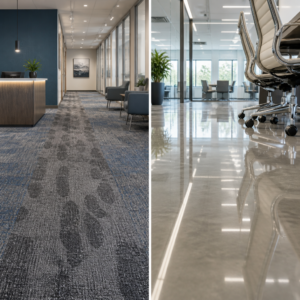
Floors, carpets, and upholstery also degrade faster without consistent care. Commercial carpet that is not vacuumed and deep-cleaned on schedule traps abrasive grit that cuts fibres from below. The result is a carpet that looks worn and stained within three years instead of lasting the full seven to ten years it was designed for. That is a capital replacement cost that dwarfs any savings made by reducing cleaning visits.
The Hidden Cost: Staff Perception of Management
Employees interpret a dirty office as a signal. When breakrooms are not wiped down, bathrooms are not restocked, and bins overflow between collections, staff read it as indifference from management. This is not anecdotal – a 2023 survey by Initial Hygiene found that 88 percent of office workers said a clean workplace positively impacted their motivation.
For Christchurch businesses competing to retain good people in a tight labour market, this is a real operational consideration, not a soft issue.
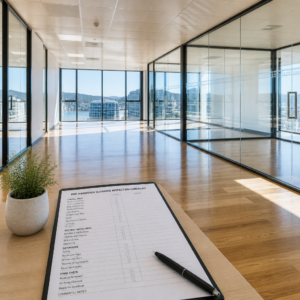
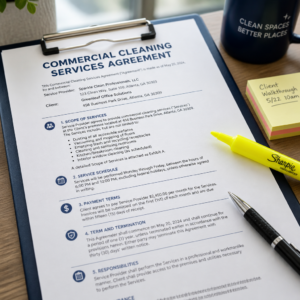
Pro tip: Ask your cleaning provider for a documented cleaning schedule with sign-off sheets. This gives your team visible evidence that maintenance is being managed, and it gives you accountability records if standards slip.
Health, Compliance, and Your Legal Obligations
New Zealand employers operate under the Health and Safety at Work Act 2015, administered by WorkSafe NZ. The Act requires that workplaces are maintained in a condition that does not put workers at risk. An inadequate or inconsistent cleaning programme is a documented compliance failure if a worker becomes ill as a result of a preventable hygiene issue.
This is particularly relevant for medical centres, schools, and food-handling environments in Christchurch, where hygiene standards are not optional and are subject to external audit. A cleaning programme that cannot be evidenced through documentation is a liability in any WorkSafe inspection.
What Compliance Actually Requires Day to Day
Compliance is not about doing a big annual clean. It requires scheduled, documented, and repeatable cleaning activity that covers all surface types, sanitation points, and high-contact zones. This means consistent wiping of door handles, light switches, shared equipment surfaces, bathroom fixtures, and kitchen areas on a defined frequency.
In practice, most Christchurch businesses need a combination of daily maintenance cleaning for high-contact surfaces, weekly deep cleans for floors and communal areas, and periodic specialist services like carpet cleaning or window cleaning layered on top.
“The workplace is one of the most significant environments affecting a person’s health, wellbeing, and longevity. Employers who invest in clean, healthy work environments see measurable returns in productivity and reduced absenteeism.” – World Health Organization, Healthy Workplaces Framework
Pro tip: If your Christchurch business operates in healthcare, food preparation, or education, request that your cleaning provider supply product safety data sheets for all chemicals used on-site. This documentation protects you during audits and confirms that cross-contamination risks are being managed correctly.
What Consistent Cleaning Looks Like in Practice
Consistency in commercial cleaning is not the same as frequency. A cleaner who shows up every day but works to no defined standard delivers inconsistent outcomes. What actually protects a Christchurch business is a programme built around documented tasks, defined frequencies, and accountable sign-off.
For a standard Christchurch office environment, a well-structured cleaning programme typically looks like this: nightly vacuuming and surface wiping of workstations, daily bathroom sanitisation and restocking, weekly mopping of hard floors, fortnightly cleaning of internal glass and partition screens, and monthly deep cleaning of kitchenette appliances and high-reach areas.
Scheduled Versus Reactive Cleaning: Why Both Are Needed
Scheduled cleaning handles the baseline. Reactive cleaning handles events like a spill, a building inspection, a client visit, or a post-construction handover. Businesses that rely only on scheduled cleaning end up with gaps during high-pressure periods. Businesses that rely only on reactive cleaning end up in a perpetual state of catching up.
The right model for most Christchurch commercial properties combines a recurring scheduled programme managed by professional cleaners, with on-call capacity for reactive requests. Triple Star Commercial Cleaning structures its commercial cleaning Christchurch programmes exactly this way, with flexible scheduling that accommodates both routine maintenance and urgent response needs.
Specialist Services That Support the Maintenance Programme
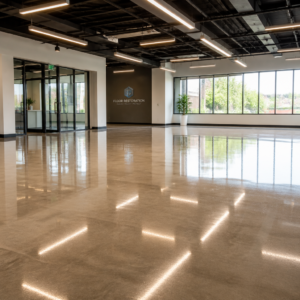
General cleaning keeps a space functional. Specialist services maintain the physical assets inside it. Carpet cleaning, floor stripping and sealing, upholstery cleaning, and window cleaning all extend the life of expensive fitout components. These services should be scheduled as part of an integrated programme, not treated as a one-off response to visible deterioration.
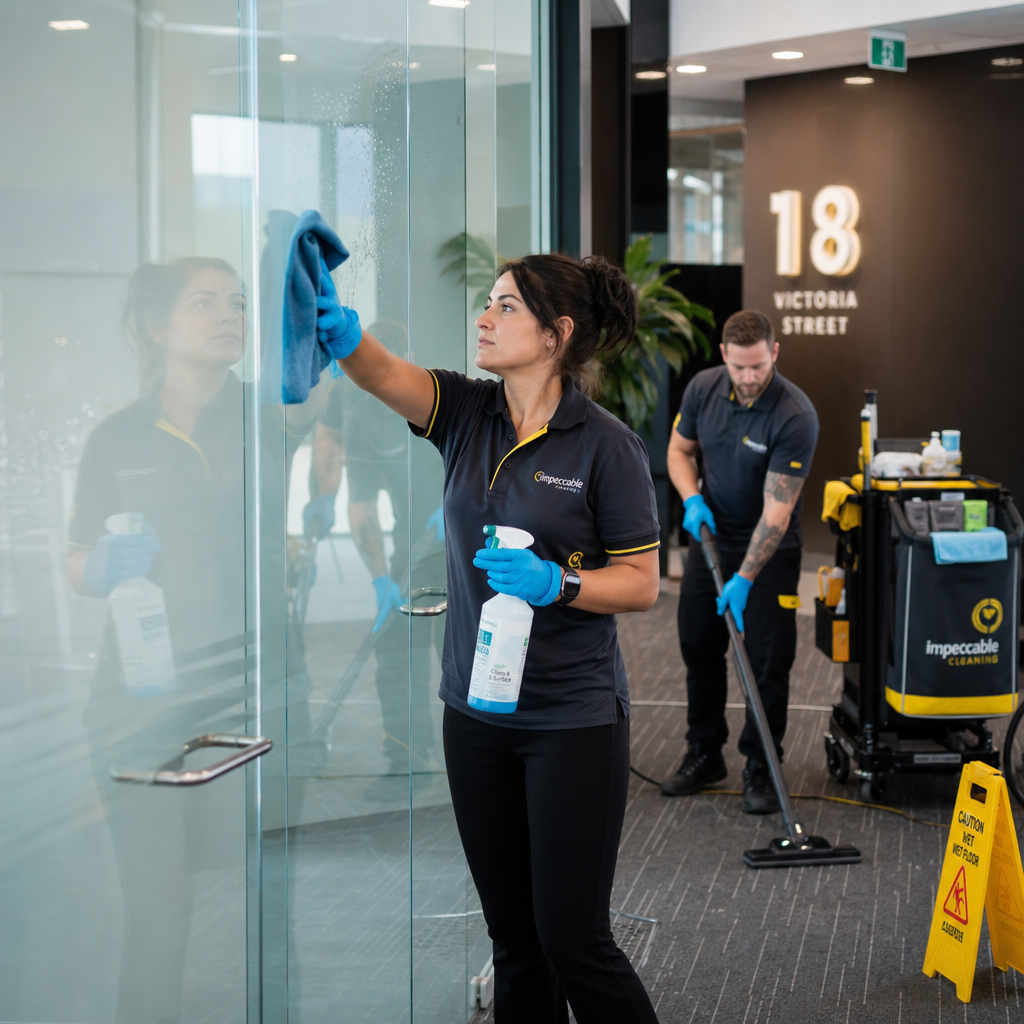
Cleaning Frequency Comparison
Not every Christchurch commercial space has the same cleaning requirements. The table below compares three common cleaning approaches against real-world business needs to help property managers and facility managers assess what their properties actually require.
| Approach | Best Suited For | Limitations |
|---|---|---|
| Ad hoc or casual cleaning | Very small offices with 2-3 people and low foot traffic | No accountability, no documentation, no compliance trail. Standards vary every visit. Fails audit requirements for healthcare and food environments. |
| Scheduled maintenance cleaning (weekly or fortnightly) | Small to medium offices, retail stores, and low-traffic commercial spaces | Insufficient for high-contact zones in busy environments. Needs supplementing with daily surface sanitisation in shared kitchens and bathrooms. |
| Full-service integrated cleaning programme (daily plus specialist services) | Medical centres, schools, large offices, construction sites post-build, and multi-tenancy commercial buildings | Higher cost than ad hoc. Requires a professional provider with documented systems and insurance coverage. Not necessary for all businesses but non-negotiable for regulated environments. |
How Christchurch Businesses Differ from Auckland
Christchurch has specific commercial cleaning considerations that Auckland-centric providers often underestimate. The ongoing rebuild following the 2011 earthquakes means a higher proportion of newer commercial builds, post-construction cleaning requirements, and construction-adjacent office spaces still operating near active build zones.
Dust infiltration from nearby construction activity is a genuine and recurring issue for Christchurch CBD offices. Standard cleaning programmes designed for stable environments often underestimate the volume of fine particulate matter that enters a building on a high-activity construction day. This means HVAC vents, hard floor surfaces, and window ledges require more frequent attention than the same spaces in Auckland.
Builders Cleaning and Post-Construction Handovers in Christchurch
Christchurch construction companies working on commercial developments need builders cleaning and post-construction cleaning services that can work to tight handover timelines without compromising finish quality. This is a specialist discipline separate from ongoing maintenance cleaning. It requires knowledge of construction residues, different surface types, and the specific requirements of building consents and pre-tenancy inspections.
Triple Star has worked with construction companies across Christchurch on exactly these projects, providing builders cleaning services that meet handover standards and allow projects to move to sign-off without delay.
For property managers overseeing commercial tenancy transitions, end of lease cleaning is another Christchurch-specific demand that requires professional documentation of condition. A professionally completed end of lease clean, backed by a signed completion report, reduces bond disputes and protects both landlord and tenant interests.
Choosing the Right Commercial Cleaning Partner
The Christchurch commercial cleaning market includes large franchise networks and smaller independent operators. The franchise model used by some competitors means the quality of your clean depends on the individual franchise owner assigned to your site, not the brand’s overall standard. This creates variability that is a real problem for businesses with compliance requirements or consistent client-facing environments.
What to look for in a professional office cleaning provider in Christchurch:
- Public liability insurance coverage for every site they clean
- Documented cleaning schedules with defined task frequencies
- Experience with your specific environment type, whether medical, educational, retail, or commercial office
- Flexible scheduling that works around your business hours, not theirs
- A clear escalation path when standards are not met
- UpstreamNZ or equivalent supplier accreditation as evidence of verified business standards
Triple Star Commercial Cleaning holds UpstreamNZ approved supplier status and carries full public liability insurance across all Christchurch and Auckland cleaning sites. This gives property managers, body corporates, and facility managers the documented assurance they need when managing cleaning as part of a broader facilities contract.
For businesses currently using a large franchise cleaning network, it is worth reviewing whether the consistency and accountability you are paying for is actually being delivered. The data consistently shows that smaller, owner-operated professional cleaning companies with dedicated account management outperform franchise models on consistency metrics, particularly over the first 12 months of a contract.
Pro tip: When requesting quotes from commercial cleaning providers in Christchurch, ask specifically how they handle a missed clean or a quality complaint. The answer tells you more about their operational reliability than any marketing material will.
Frequently Asked Questions
How often should a Christchurch office be professionally cleaned?
It depends on foot traffic, the nature of the work, and whether you have client-facing spaces. A small back-office with five staff might need weekly cleaning. A busy medical reception or retail store needs daily cleaning of high-contact surfaces at minimum. The baseline rule is: if your office has shared bathrooms, a kitchen, and more than ten staff, weekly cleaning alone is not sufficient for compliance or hygiene standards.
What is the difference between commercial cleaning and general office cleaning?
Office cleaning refers specifically to the maintenance of office environments, covering workstations, floors, bathrooms, kitchens, and communal areas. Commercial cleaning is a broader term that covers all commercial property types including retail stores, warehouses, medical facilities, schools, and construction sites. Most professional providers in Christchurch offer both as part of an integrated service offering.
Is professional cleaning required for compliance under New Zealand law?
The Health and Safety at Work Act 2015 requires employers to maintain a safe and healthy work environment, which includes hygiene standards. While it does not mandate the use of a specific cleaning company, it does require documented evidence that hygiene obligations are being met. A professional cleaning provider with sign-off sheets and service records gives you that evidence. An informal or undocumented arrangement does not.
How do I get an end of lease clean done for a commercial tenancy in Christchurch?
Contact a professional commercial cleaning company that specialises in end of lease cleaning for commercial properties. The clean needs to cover all surfaces, floors, windows, bathrooms, and kitchens to a condition that satisfies the terms of the lease agreement. A signed completion report from the cleaning provider is important documentation to have before returning keys or initiating a bond refund process.
Can a commercial cleaner handle post-construction cleaning in Christchurch?
Yes, but only if they have specific experience with post-construction environments. Construction sites require removal of plaster dust, paint residue, adhesive marks, and debris from sensitive surfaces like glass, tiles, and stainless steel. This is a different discipline from maintenance cleaning and requires specialist equipment and products. Triple Star provides dedicated builders cleaning and post-construction cleaning services across Christchurch for construction companies working to handover timelines.
What should I look for in a commercial cleaning quote for a Christchurch office?
Look for a detailed scope of work that lists specific tasks and their frequency, not just a price per visit. Confirm that the quote includes public liability insurance coverage, a named point of contact for account management, and a clear process for handling complaints or service gaps. A quote that is vague about task frequency is a quote that will underdeliver once the contract starts.
If you manage a commercial property or office in Christchurch and have experienced the frustration of unreliable cleaning standards, we would be interested to hear what made the difference when you switched providers or restructured your cleaning programme.
We would love your feedback and any insights you would share with others. What perspective would you add?
References
- WorkSafe New Zealand – workplace health and safety obligations for New Zealand employers
- World Health Organization – healthy workplaces framework and employee wellbeing research
- Forbes – research and analysis on workplace productivity and employee health outcomes
- Statista – global workplace hygiene and commercial cleaning industry statistics
- New Zealand Ministry of Health – infection prevention and environmental hygiene standards for commercial settings