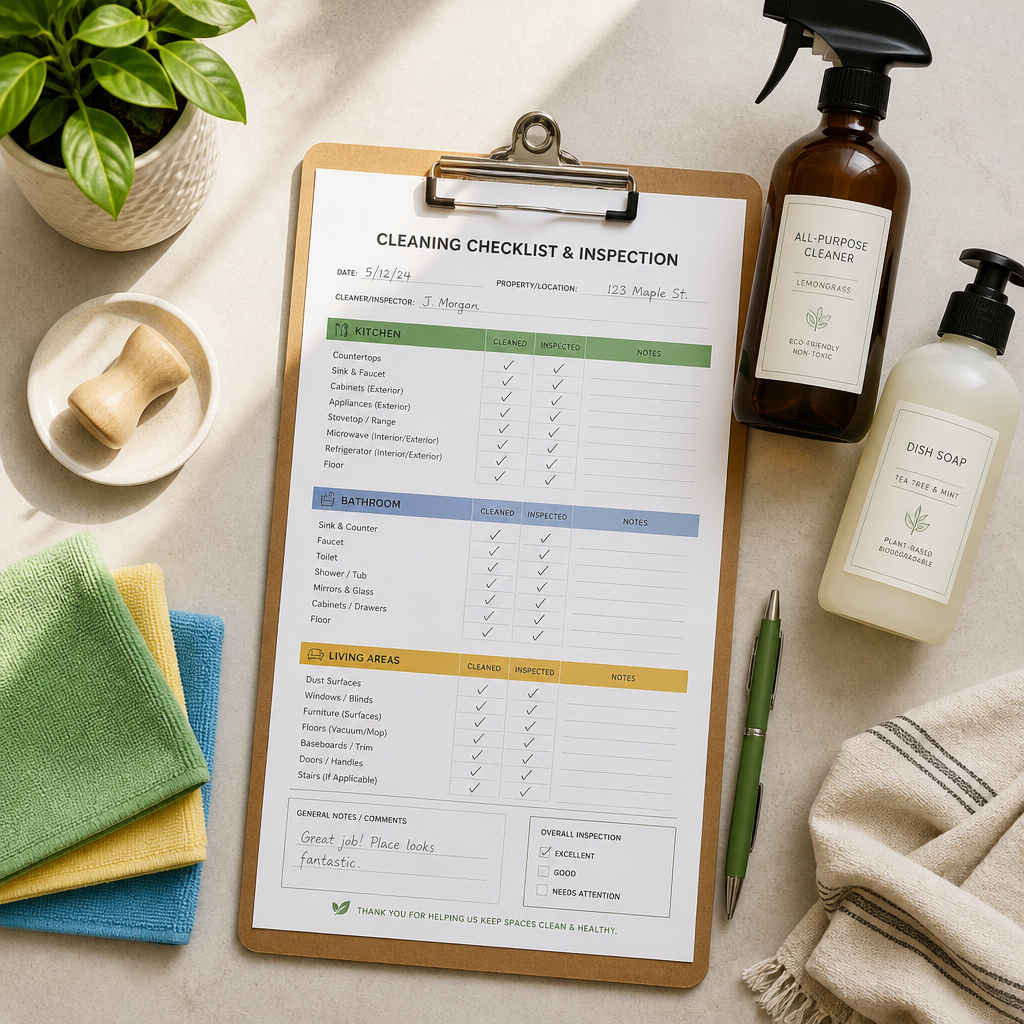
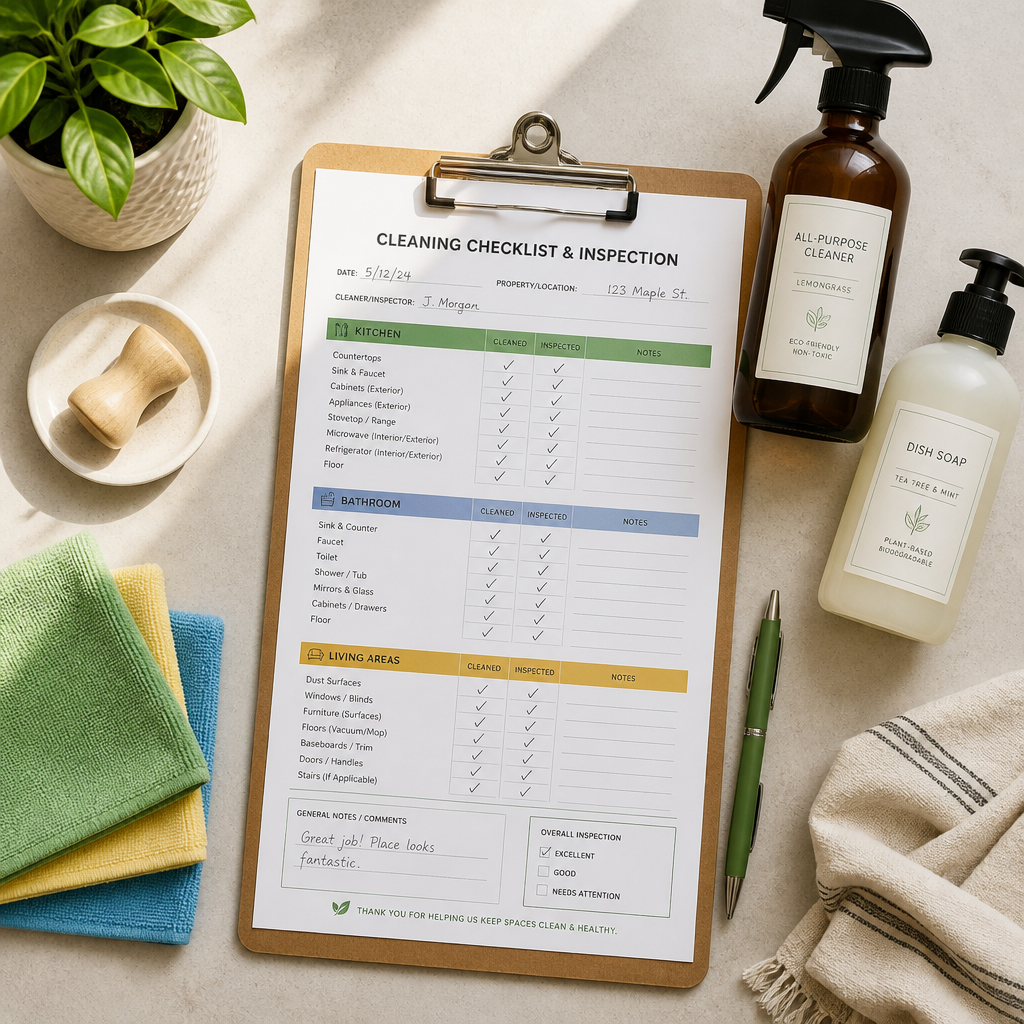
Cleaning disputes are the single most common reason tenants in Christchurch lose part of their bond. Not unpaid rent. Not damage. Cleaning. If you are approaching the end of a tenancy, or you are a property manager preparing a property for re-let, the standard expected for end of lease cleaning Christchurch is specific, documented, and directly tied to your financial outcome. This guide covers the legal framework under New Zealand tenancy law, what property managers actually inspect, where DIY cleaning fails, and how to approach bond cleaning NZ in a way that holds up if a dispute goes to the Tenancy Tribunal.
Table of Contents
- What NZ Law Actually Requires at the End of a Tenancy
- Quick Takeaways
- What Property Managers Actually Inspect During Final Walkthroughs
- DIY vs Professional End of Lease Cleaning: When Each Makes Sense
- Room-by-Room End of Lease Cleaning Checklist for Christchurch Properties
- Bond Disputes Over Cleaning: How They Work and How to Avoid Them
- A Property Manager’s Guide to Setting and Enforcing Cleaning Standards
- Frequently Asked Questions
- References
What NZ Law Actually Requires at the End of a Tenancy
Under Section 40 of the Residential Tenancies Act 1986, a tenant is required to leave the property reasonably clean and tidy and remove all rubbish. That is the legal baseline. Not professionally cleaned. Not spotless. Reasonably clean and tidy.
The standard is measured against the property’s condition at the start of the tenancy, not against some abstract ideal. This is why the ingoing inspection report matters so much. If the property had stained grout on day one, you cannot be penalised for stained grout on the last day. If the carpets were professionally steam cleaned before you moved in and your tenancy agreement specifies they must be returned in that condition, then a basic vacuum is not enough.
Under the Residential Tenancies Act 1986, fair wear and tear is the landlord’s responsibility. This includes things like faded paint, worn carpet pile from normal foot traffic, and minor scuff marks. What falls on the tenant is damage caused by negligence, misuse, or failure to clean. A landlord cannot deduct bond money for ordinary ageing of fixtures and surfaces. The burden of proof falls on the landlord to show that any deduction is specific, proven, and reasonable.
The legal requirement is to leave the property reasonably clean and tidy. Understanding this distinction, and documenting it with evidence, is what separates a straightforward bond refund from a drawn-out Tenancy Tribunal dispute.
For property managers, this legal framework has a practical implication: cleaning deductions must be backed by documented evidence. An inspection report with photos from both the ingoing and outgoing inspections is not optional if you expect a disputed deduction to hold up.
Quick Takeaways
| Key Insight | Explanation |
|---|---|
| Cleaning is the leading cause of bond deductions in NZ | Cleaning disputes consistently rank as the most common reason bond money is withheld at the end of a tenancy across New Zealand, ahead of damage and unpaid rent. |
| The legal standard is “reasonably clean and tidy”, not spotless | Under the Residential Tenancies Act 1986, tenants must return the property in a reasonably clean condition relative to how it was received. Landlords cannot require perfection beyond this threshold. |
| The ingoing inspection report is your benchmark | Both tenants and property managers should refer to the original property condition report. Cleaning disputes that ignore this document rarely succeed at the Tenancy Tribunal. |
| Ovens, extractor fans, and blinds are the most common fail points | These are the areas tenants most frequently underclean and property managers most closely check. Grease in an oven or dust-clogged blinds appear on almost every disputed inspection report. |
| Professional cleaning produces documentation, not just cleanliness | A professional cleaning invoice and completed checklist from a reputable company strengthens your position if a dispute goes to the Tenancy Tribunal. |
| Carpets often require separate professional treatment | Many Christchurch tenancy agreements specifically require professional carpet cleaning at end of tenancy. A standard vacuum will not satisfy this clause. |
| Timing the clean correctly is non-negotiable | The move out cleaning Christchurch should be completed after all furniture and belongings are removed, and within 24 to 48 hours before the final inspection. |
What Property Managers Actually Inspect During Final Walkthroughs
There is a significant gap between what tenants think they are being inspected on and what a property manager actually checks. Understanding this gap is the most direct way to avoid a failed inspection.
Property managers do not just scan rooms for general tidiness. They work through a point-by-point checklist, and they have seen every shortcut tenants try to take. The areas that generate the most disputes are predictable, and they are the same ones tenants most frequently miss.
Kitchen: The Highest-Risk Area in Any Inspection
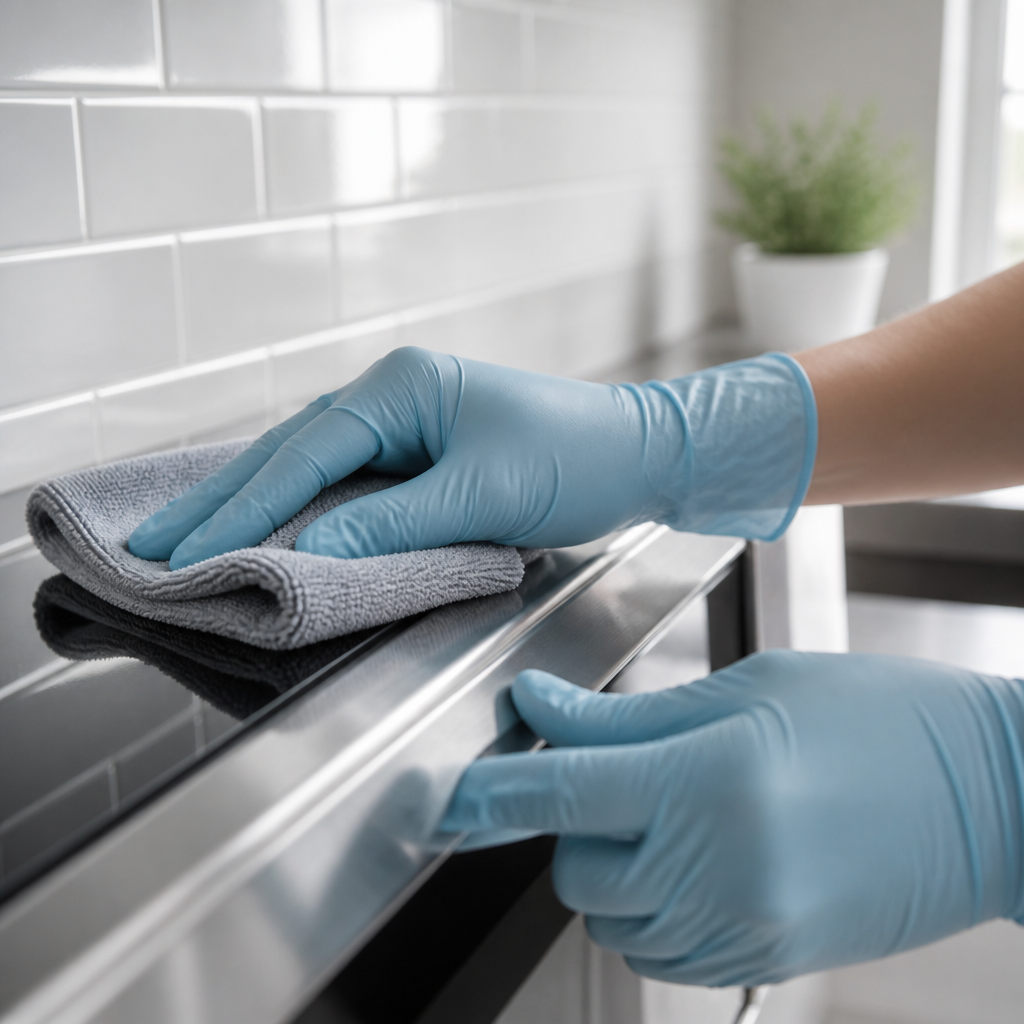
Ovens are inspected with close attention, and property managers often use a torch to check inside. Any residual grease, baked-on food, or grime on oven walls, racks, and door seals is a direct path to a deduction. The rangehood filter, the stovetop burners or ceramic surface, and the interior of all cupboards and drawers are also checked.
Taps, sinks, and drains need to be descaled and dried. Grout lines and the underside of bench overhangs are checked. Missing these areas on a final clean is one of the most common reasons a Christchurch property inspection is failed on the first attempt.
Bathrooms: Hygiene Standards Are Non-Negotiable
Tiles, grout, and shower screens need thorough treatment. Soap scum on glass, calcium deposits on tapware, and mildew in grout lines are all noted. The toilet, including under the rim and behind the base, is inspected. Exhaust fans are checked for dust buildup.
Bathroom mirrors must be streak-free. Vanity interiors and any built-in shelving or storage should be wiped out completely. A quick wipe of visible surfaces will not pass a property manager who is working to a formal checklist.
Carpets, Floors, and Windows
Hard floors should be swept, mopped, and free of product residue. Skirting boards along the floor line are inspected. Window tracks, frames, and sills collect significant dust and grime and are frequently missed in DIY cleans. Interior window glass must be streak-free. Where windows are accessible from the outside, exterior glass may also be expected to be clean.
For carpets, many Christchurch tenancy agreements require professional steam cleaning as a specific condition. If your tenancy agreement includes this clause, a receipt from a professional carpet cleaning service is the evidence you need to protect your bond.
DIY vs Professional End of Lease Cleaning: When Each Makes Sense
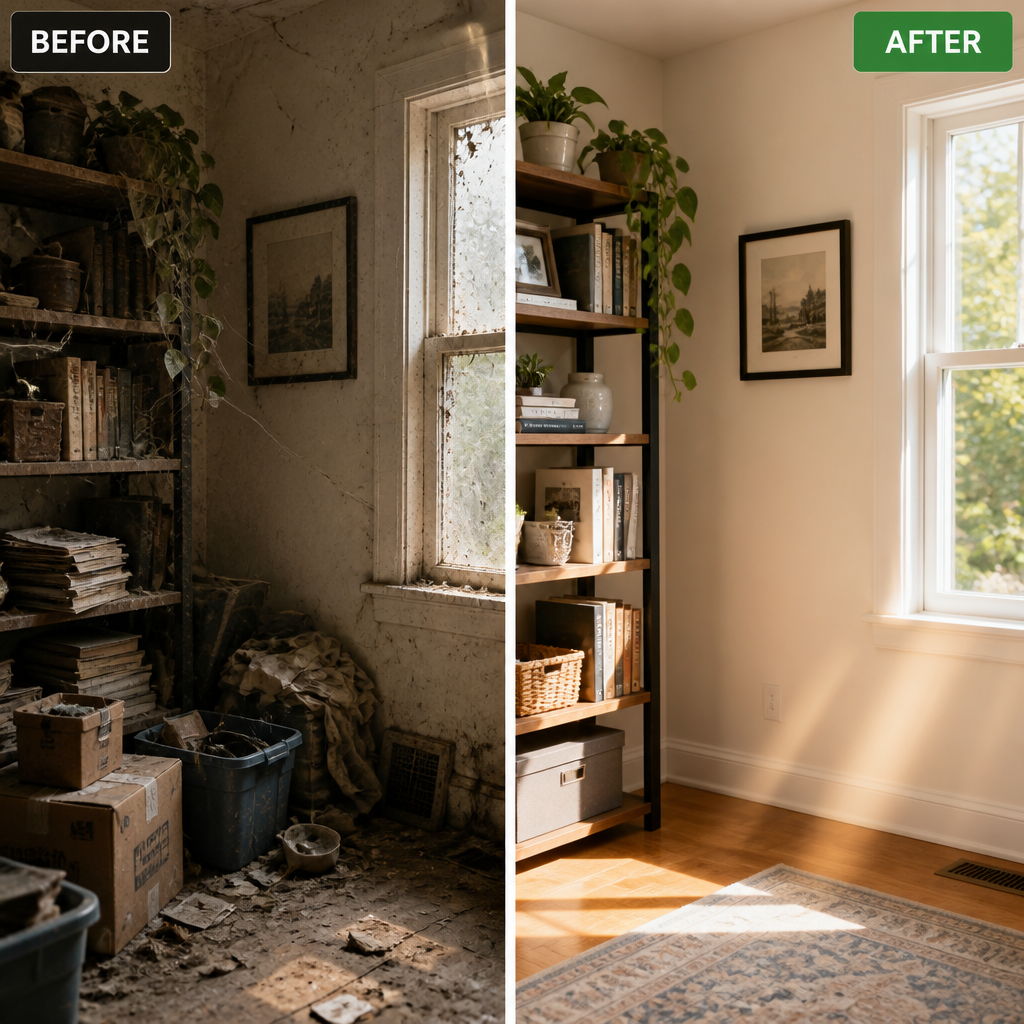
The honest answer is that for most rental properties in Christchurch, a DIY clean introduces more financial risk than it saves in cleaning costs. The question is not whether you are capable of cleaning. The question is whether your cleaning will hold up to a documented property inspection conducted by someone with a formal checklist and a financial interest in finding shortfalls.
When DIY Can Work
If you are vacating a small, well-maintained property where you have kept on top of regular cleaning throughout the tenancy, and your tenancy agreement does not require professional carpet or oven cleaning, a thorough DIY effort may be enough. You still need to work room by room, address every item on the inspection checklist, and complete the clean after all furniture is removed. Cutting corners on any single area, particularly ovens and bathrooms, will cost you.
When to Use Professional End of Lease Cleaning
For larger properties, for tenancies of two or more years where buildup in carpets and kitchens is significant, or for any situation where your tenancy agreement specifies professional cleaning, a professional service is the right call. The cost of a professional clean is almost always less than the bond deduction you would face if the inspection fails.
A professional clean from a company like Triple Star Commercial Cleaning comes with a structured checklist approach and documentation that can be presented as evidence if there is any dispute. This matters. Property managers who receive an invoice and a completed cleaning checklist from a professional company are far less likely to pursue marginal deductions than if a tenant presents no documentation at all.
Pro tip: Book your professional end of lease clean for the day after your furniture is fully removed. Cleaning around furniture produces an uneven result. An empty property is faster to clean and easier for the cleaner to complete to a consistent standard.
The Real Cost Comparison
| Approach | Typical Outcome | Best Suited For |
|---|---|---|
| Full DIY clean | Passes inspection if thorough and well-documented, but lacks formal evidence for disputes. Higher risk if tenancy agreement includes professional cleaning clauses. | Small, well-maintained properties with shorter tenancies and no professional cleaning clause in the agreement. |
| Professional end of lease cleaning service | Highest chance of passing first inspection. Provides invoice and checklist as dispute evidence. Most cost-effective approach for protecting bonds over NZD 1,000. | Most rental properties, especially larger homes, longer tenancies, or where tenancy agreements specify professional cleaning. |
| DIY with targeted professional add-ons (carpets, oven) | Reduces cost while addressing the highest-risk fail points. Works when the general condition is good but specific areas need professional treatment. | Well-maintained properties where tenancy agreements specifically require only carpet or oven professional cleaning. |
Room-by-Room End of Lease Cleaning Checklist for Christchurch Properties
This checklist reflects the standard that property managers in Christchurch work to. Use it as your baseline, not as a ceiling. If your tenancy agreement specifies a higher standard in any area, that agreement takes precedence.
Kitchen
- Oven interior, racks, door seals, and exterior cleaned
- Stovetop, burner rings, or ceramic surface degreased
- Rangehood and filter cleaned or replaced
- All cupboards and drawers cleaned inside and out
- Sink, taps, and drain descaled and dried
- Benchtops, splashbacks, and wall tiles degreased
- Dishwasher interior, filter, and door seal cleaned
- Refrigerator interior, shelves, and door seals cleaned if left by tenant
Bathrooms and Toilets
- Shower screen or curtain, tiles, and grout scrubbed
- Bathtub cleaned and descaled
- Toilet cleaned inside, under rim, behind base, and exterior
- Vanity, basin, tapware, and mirror cleaned
- Exhaust fan cleaned of dust buildup
- Shelving, cabinet interiors, and towel rails wiped
Bedrooms and Living Areas
- Carpets professionally steam cleaned if required, or vacuumed thoroughly
- Hard floors swept, mopped, and dried
- Inside wardrobes and drawers cleaned
- Skirting boards wiped along all walls
- Light switches and power points cleaned
- Ceiling fans, light fittings, and cobwebs removed
- Window glass, frames, tracks, and sills cleaned
Laundry
- Washing machine drum, door seal, and detergent drawer cleaned
- Dryer drum, lint trap, and exhaust vent wiped
- Laundry tub, taps, and surrounding area cleaned
Outdoor Areas and Garage
- Garage swept and free of rubbish
- Paths and driveways cleared
- Lawns mowed, garden beds weeded if specified in tenancy agreement
- Outdoor furniture wiped down if it belongs to the property
Pro tip: Walk through the property one final time at a different time of day, when the light comes from a different angle. Grease on glass and streaks on benchtops that were invisible in morning light become obvious in afternoon sun, and this is exactly when a property manager will conduct a thorough inspection.
Bond Disputes Over Cleaning: How They Work and How to Avoid Them
Under the Residential Tenancies Act 1986, all bond money in New Zealand is held by Tenancy Services, a government agency. Neither the landlord nor the property manager holds it. At the end of a tenancy, the bond is released only when a signed bond refund form is submitted, or when the Tenancy Tribunal makes an order directing how it should be paid.
If a landlord wants to make a cleaning deduction and the tenant disagrees, the tenant can refuse to sign the bond refund form. Tenancy Services then notifies the relevant parties and allows time for objection. If agreement cannot be reached, either party can apply to the Tenancy Tribunal. The Tribunal application fee is currently $20.44 for claims up to $6,000.
What a Landlord Needs to Prove a Cleaning Deduction
A landlord cannot simply say the property was dirty and deduct. Under the Residential Tenancies Act 1986, cleaning deductions require specific evidence: a detailed property inspection report with photos from both the start and end of the tenancy, proof that the condition goes beyond fair wear and tear, and evidence that the cost claimed is reasonable.
The Tenancy Tribunal has consistently held that ordinary use of a rental property, including normal ageing of surfaces and fixtures, does not justify bond deductions. If a landlord cannot show comparative evidence from the ingoing inspection, a cleaning deduction is difficult to sustain.
How Tenants Can Protect Themselves
The most effective protection a tenant has is documentation. This means: retaining a copy of the original ingoing inspection report, completing a thorough clean with a written checklist, using a professional cleaning company where possible, and keeping the invoice. If the matter goes to the Tenancy Tribunal, a professional cleaning invoice dated before the final inspection is strong evidence that the tenant met their obligation.
For bond cleaning NZ purposes, a reputable professional cleaning company should be able to provide a written record of every area cleaned, the date and time of the clean, and confirmation that the property was in a rentable condition when they left.
A Property Manager’s Guide to Setting and Enforcing Cleaning Standards
Property managers and facility managers in Christchurch deal with move-out cleaning standards as a recurring operational issue. The way this is handled at the start of a tenancy shapes how much friction exists at the end.
Set the Standard at the Ingoing Inspection
A detailed, photographic ingoing inspection report is the single most important document in any future cleaning dispute. If the property was professionally cleaned before the tenancy started, document it and note it in the agreement. This establishes that the same standard is expected at exit, and it removes ambiguity from any outgoing comparison.
If your tenancy agreement requires professional carpet cleaning at the end of the tenancy, it needs to be explicitly documented in the agreement and referred to in the ingoing inspection. A general clause about cleanliness will not be enough to enforce a specific requirement at the Tribunal level.
Using Professional Cleaning Services for Vacant Properties
For property managers and real estate agencies, using a professional real estate cleaning service between tenancies serves multiple purposes. It resets the property to a documented baseline, reduces the likelihood of disputes with incoming tenants over pre-existing conditions, and supports faster reletting.
Triple Star Commercial Cleaning works with property managers across Christchurch and Auckland, handling end of lease cleaning, carpet cleaning, window cleaning, and full property turnarounds between tenancies. All cleaning sites are covered by public liability insurance, and Triple Star is an UpstreamNZ approved supplier, which matters for property managers who need to verify supplier credentials before engaging a contractor.
For property managers working across multiple sites, a consistent cleaning contractor relationship reduces administrative friction considerably compared to sourcing one-off cleaners for each vacancy. If you manage commercial buildings, body corporates, or residential portfolios across Christchurch, you can explore Triple Star’s commercial cleaning services and end of lease cleaning options directly.
When Construction or Renovation Precedes a Tenancy
If a property has undergone renovation or fit-out work before being re-let, a standard clean is not enough. Post-construction residue includes fine dust that settles into carpet fibres, ventilation systems, and window tracks. Triple Star also provides builders cleaning and post-construction cleaning for these scenarios, which ensures the property is clean at a level appropriate for occupation rather than just visibly tidy.
Frequently Asked Questions
Is professional end of lease cleaning legally required in New Zealand?
Not automatically. The Residential Tenancies Act 1986 requires that the property be left reasonably clean and tidy. However, if your specific tenancy agreement includes a clause requiring professional cleaning, such as professional carpet steam cleaning, that clause is enforceable. Always check your tenancy agreement before deciding whether DIY cleaning is sufficient for your situation.
Can my landlord deduct bond money for carpet cleaning in Christchurch?
Only if the carpets were professionally cleaned at the start of the tenancy and the tenancy agreement specifies that they must be returned in the same condition, or if there is damage beyond fair wear and tear. Normal use and ageing of carpet does not justify a deduction. The landlord must provide comparative evidence from the ingoing inspection to support any carpet-related bond deduction at the Tenancy Tribunal.
How much does end of lease cleaning cost in Christchurch?
The cost varies depending on the size of the property, the number of bedrooms, the condition of the property, and whether additional services like carpet steam cleaning or window cleaning are required. For an accurate quote specific to your property, contact Triple Star Commercial Cleaning directly at www.3plestar.nz. A professional quote is always preferable to guessing and risking a bond dispute that costs more than the clean itself.
What areas do property managers most commonly fail tenants on during end of lease inspections?
The most commonly cited areas in failed inspections are: the oven interior and rangehood filter, bathroom grout and shower screens, window tracks and frames, skirting boards, inside kitchen cupboards, and carpet condition. These areas require more than surface cleaning and are where DIY efforts most frequently fall short of the standard property managers use.
How long before I move out should I book a professional cleaning service?
Book as early as possible once you know your move-out date, ideally two to three weeks in advance. Professional end of lease cleaners in Christchurch are frequently booked around month-end periods when most leases turn over. Booking late means limited availability, which can force you into a rushed clean immediately before your inspection. Aim to schedule the clean for the day after your furniture is fully removed and at least 24 hours before your final property inspection.
What is the difference between end of lease cleaning and regular commercial cleaning?
Regular commercial or residential cleaning maintains a property during occupancy. End of lease cleaning is a one-time deep clean conducted to a higher standard that matches the property’s ingoing condition. It includes areas that are not typically addressed in routine cleaning, such as oven interiors, inside cupboards, window tracks, behind appliances, and carpet deep cleaning. It is specifically structured to satisfy a property inspection rather than simply maintain day-to-day cleanliness.
What documentation should I keep after a professional end of lease clean?
Keep the cleaning invoice showing the company name, date, services completed, and property address. If the cleaning company provides a completed checklist, retain that as well. These documents are your primary evidence if a cleaning dispute goes to mediation or the Tenancy Tribunal. Store copies digitally so they cannot be lost during the move.
Have you recently been through an end of lease inspection in Christchurch? Share what worked, or what you wish you had known beforehand, in the comments below.
References
- Tenancy Services New Zealand: official guidance on general bond refunds and tenant obligations at end of tenancy
- Bond Reclaim NZ: explanation of carpet cleaning bond disputes and what landlords must prove under the Residential Tenancies Act 1986
- ShiftScript: property manager compliance guide to bond refunds and lawful deductions under the RTA
- At Your Service NZ: move out cleaning checklist and legal standards for end of tenancy cleaning in New Zealand