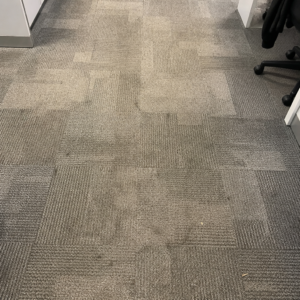
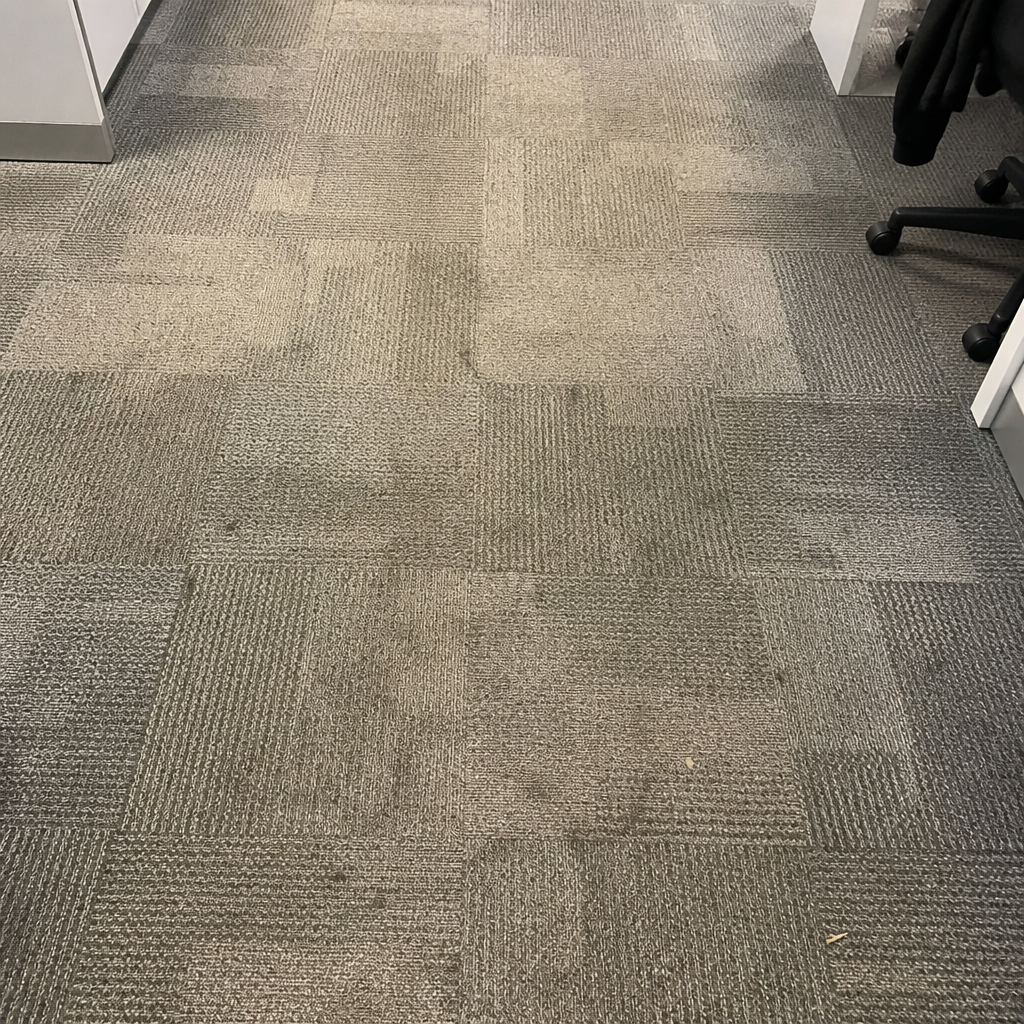
Your Christchurch office carpet is doing a job most building managers never account for: absorbing foot traffic, dust, allergens, construction particulates, and the slow accumulation of daily use from every person who walks through the door. Most commercial carpets are cleaned reactively, when they look dirty, rather than on a schedule that actually protects the asset. That approach quietly costs more than it saves. A carpet cleaning Christchurch programme built around the right methods, realistic frequency, and an understanding of what commercial carpet cleaning actually costs gives property managers and business owners a straightforward way to control one of their most significant interior maintenance liabilities.
Table of Contents
- Why Commercial Carpet Cleaning Matters for Christchurch Offices
- Carpet Cleaning Methods Explained: What Works in Commercial Settings
- How Often Should You Clean Office Carpet in Christchurch
- What Commercial Carpet Cleaning Costs in Christchurch
- Why Upholstery Cleaning Belongs in the Same Conversation
- What to Look for When Choosing a Commercial Carpet Cleaning Provider
- Method Comparison: Hot Water Extraction vs Encapsulation vs Dry Compound
- Frequently Asked Questions
- References
Why Commercial Carpet Cleaning Matters for Christchurch Offices
Commercial carpet is one of the most expensive flooring assets in a building. Quality commercial carpet in New Zealand costs between $40 and $120 per square metre installed. A 500-square-metre office floor represents a flooring asset worth anywhere from $20,000 to $60,000 – and that figure does not account for business disruption during replacement. Professional cleaning defers that cost significantly.
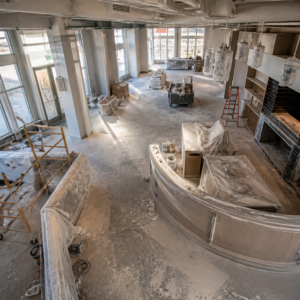
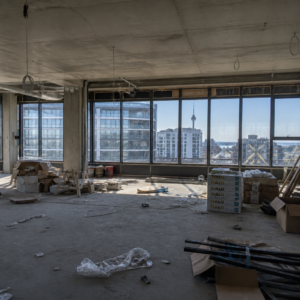
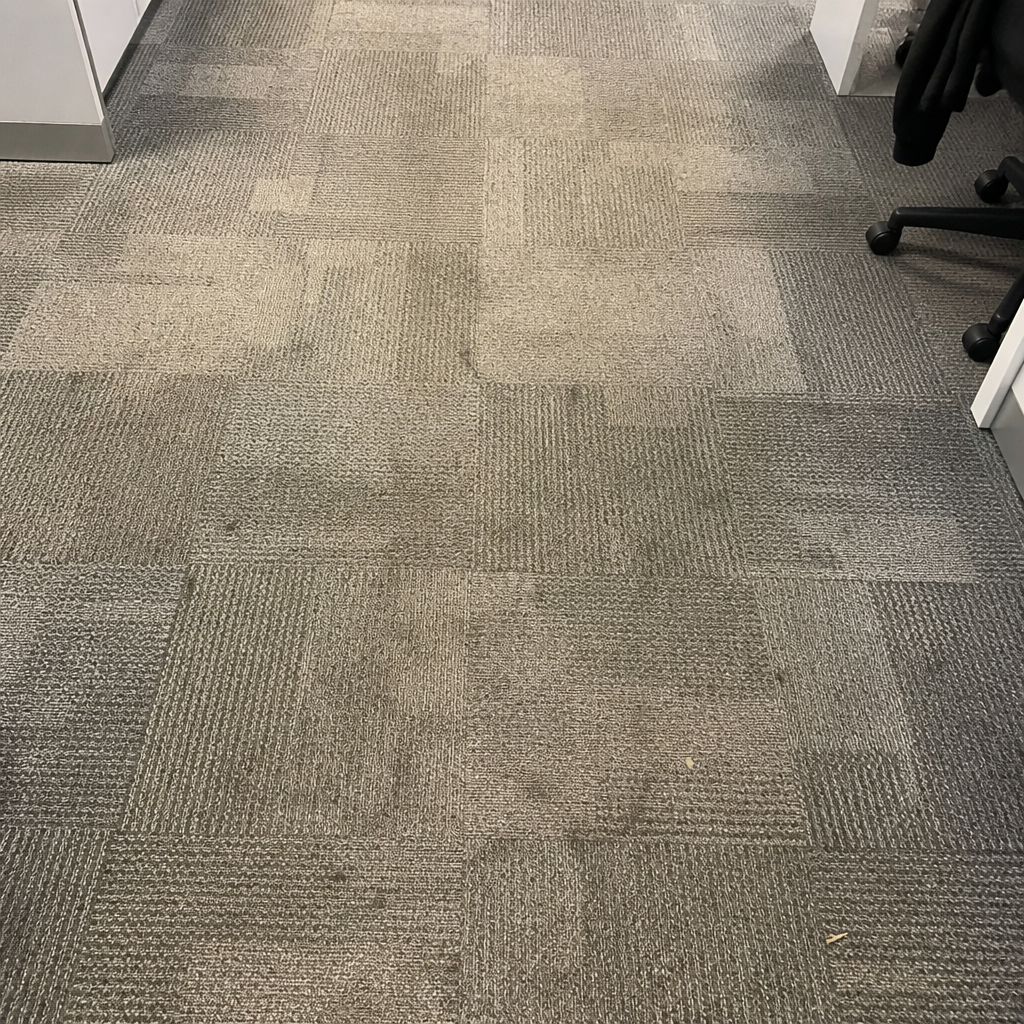
Christchurch adds a specific layer to this. The city’s ongoing construction and rebuild activity means commercial buildings near active construction sites carry higher airborne particulate loads. These fine particles settle into carpet fibres faster than in typical urban environments. Property managers in central Christchurch should treat annual-only cleaning schedules as insufficient for most street-level or mid-city tenancies.
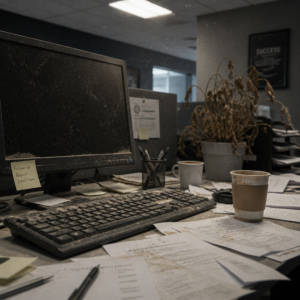
There is also a hygiene argument that goes beyond appearances. An office chair that has never been professionally cleaned can harbour bacterial counts that would be unacceptable on any food-preparation surface. Carpet in open-plan offices accumulates skin cells, fine dust, food particles, allergens, and bacteria across every square metre that staff, clients, couriers, and contractors walk over daily. The visual signal that carpet “needs cleaning” lags well behind the actual contamination level.
“Carpet maintenance is one of the most cost-effective ways to extend the life of a commercial interior. A consistent professional cleaning schedule can add three to five years to a carpet’s functional life, deferring a significant capital replacement cost.” – Carpet and Rug Institute, Residential and Commercial Carpet Maintenance Guidelines
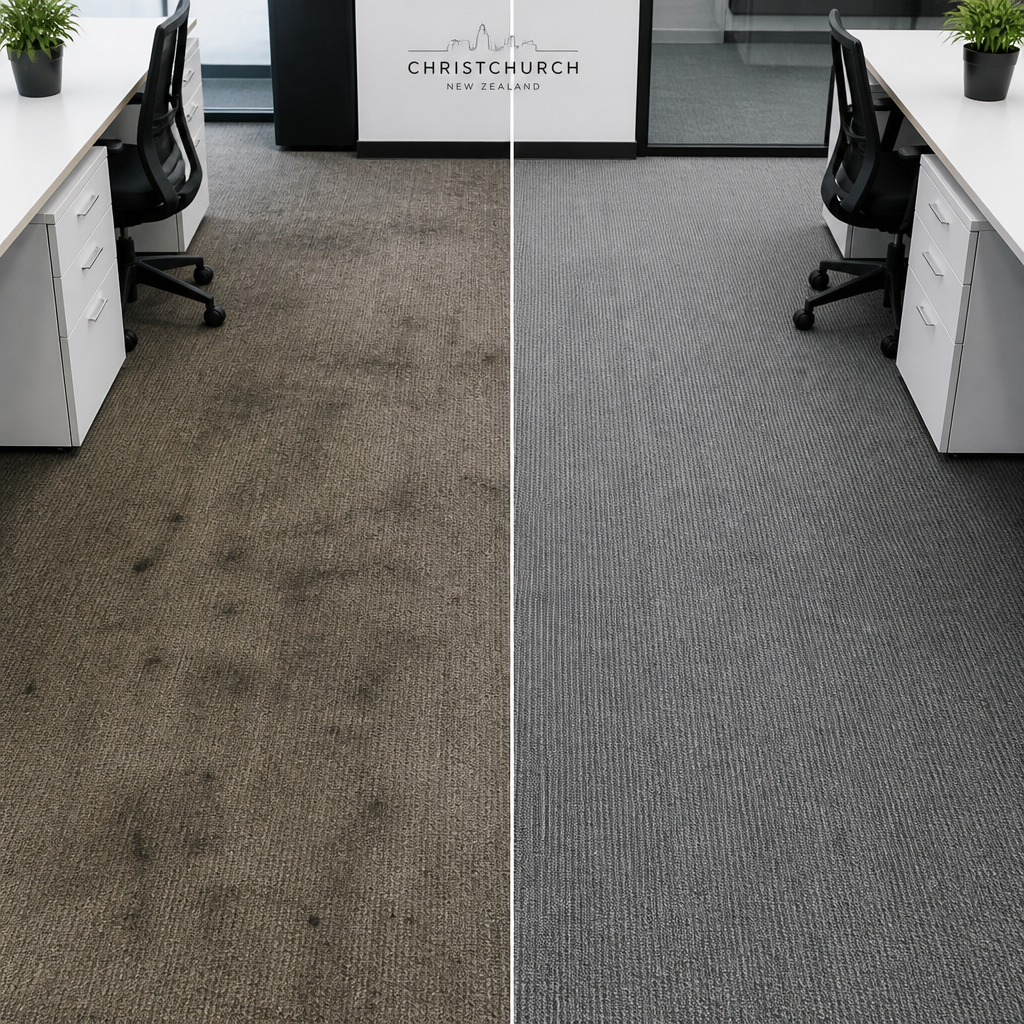
For Christchurch businesses working with a facilities management budget, the framing should shift from “cleaning cost” to “replacement prevention.” The Carpet and Rug Institute has found that regular professional cleaning can extend commercial carpet life by 40 to 60 percent compared to vacuuming alone. That number matters when you are looking at a six-figure replacement cycle for a multi-floor tenancy.
Carpet Cleaning Methods Explained: What Works in Commercial Settings
Not all commercial carpet cleaning delivers the same result. The method used determines how deeply soil is removed, how long the carpet takes to dry, and whether the cleaning is appropriate for high-traffic commercial use. There are three methods worth understanding for office and commercial settings in New Zealand.
Hot Water Extraction (Steam Cleaning)
Hot water extraction is the most thorough deep-cleaning method available for commercial carpet. The process injects hot water mixed with cleaning agents deep into the carpet pile under pressure, then extracts it along with dissolved soil, allergens, and bacteria. It is the most effective method for earthquake-affected buildings where fine sediment has settled into carpet over time, and the IICRC (Institute of Inspection, Cleaning and Restoration Certification) consistently supports it as the benchmark for restorative deep cleans.
The trade-off is drying time. Hot water extraction requires 4 to 8 hours of drying time depending on airflow, humidity, and the equipment used. For commercial buildings, this means after-hours or weekend scheduling. Modern truck-mounted or high-powered portable extraction units significantly reduce drying time compared to older hire equipment.
Encapsulation Cleaning
Encapsulation uses a polymer-based cleaning agent that crystallises around soil particles as it dries, allowing the residue to be vacuumed away. It is a low-moisture method with fast drying times, typically one to two hours, making it highly practical for commercial spaces that cannot tolerate extended downtime between cleans. It is the preferred method for interim maintenance cleaning in high-traffic areas between scheduled deep cleans.
The limitation of encapsulation is that it is a surface-level treatment. It does not extract deeply embedded soil from the base of the carpet pile the way hot water extraction does. Using encapsulation as a primary cleaning method rather than a maintenance bridge will leave residual contamination building up over time.
Dry Compound Cleaning
Dry compound cleaning applies an absorbent compound to the carpet, agitates it to attract and absorb dirt, then vacuums it up. It offers near-zero downtime and no moisture risk, which suits moisture-sensitive carpets and spaces that must remain in use. However, for commercial environments with genuine soil loads, dry compound is best understood as a maintenance option, not a substitute for hot water extraction. Any provider recommending dry compound as the primary cleaning method for a high-traffic commercial floor is cutting costs at the expense of results.
Pro tip: The most effective commercial carpet maintenance programme combines hot water extraction for scheduled deep cleans (quarterly or biannually) with encapsulation for interim maintenance cleans in between. This hybrid approach keeps high-traffic areas presentable without taking the building offline for a full day every cycle.
How Often Should You Clean Office Carpet in Christchurch
Frequency is where most property managers and office managers get it wrong. The instinct is to clean annually and treat that as adequate. The evidence-based position is more nuanced, and it maps directly to how many people use the space each day.
Spaces with fewer than 50 people per day, such as private offices, boardrooms, and back-of-house areas, can typically be deep cleaned every 12 to 18 months. Regular vacuuming at least three times per week is still non-negotiable to prevent dry soil from abrading the carpet fibres.
A typical open-plan Christchurch office with 50 to 150 daily occupants should schedule deep carpet cleaning every 6 to 12 months. This is the category most business owners underestimate. Medium-traffic carpets reach critical soil saturation well before the 12-month mark, and the visual signal arrives too late to prevent fibre damage.
High-traffic commercial environments with more than 300 daily occupants, such as retail stores, medical centres, schools, and busy reception areas, typically require deep cleaning every 3 to 6 months. Interim encapsulation cleans every 6 to 8 weeks between those deep cleans are reasonable for the highest-wear zones.
Christchurch’s construction activity is a real factor in setting schedules. Property managers in central Christchurch managing tenancies near active construction sites should consider moving from annual to six-monthly deep cleans as a baseline for street-level spaces, specifically because of elevated airborne particulate loads settling into carpet fibres.
Pro tip: Deep carpet cleaning is a separate scheduled service with different equipment, labour, and chemical requirements from routine commercial cleaning. Budget for it as a separate line item in your facilities maintenance plan rather than assuming it is included in a standard office cleaning contract.
What Commercial Carpet Cleaning Costs in Christchurch
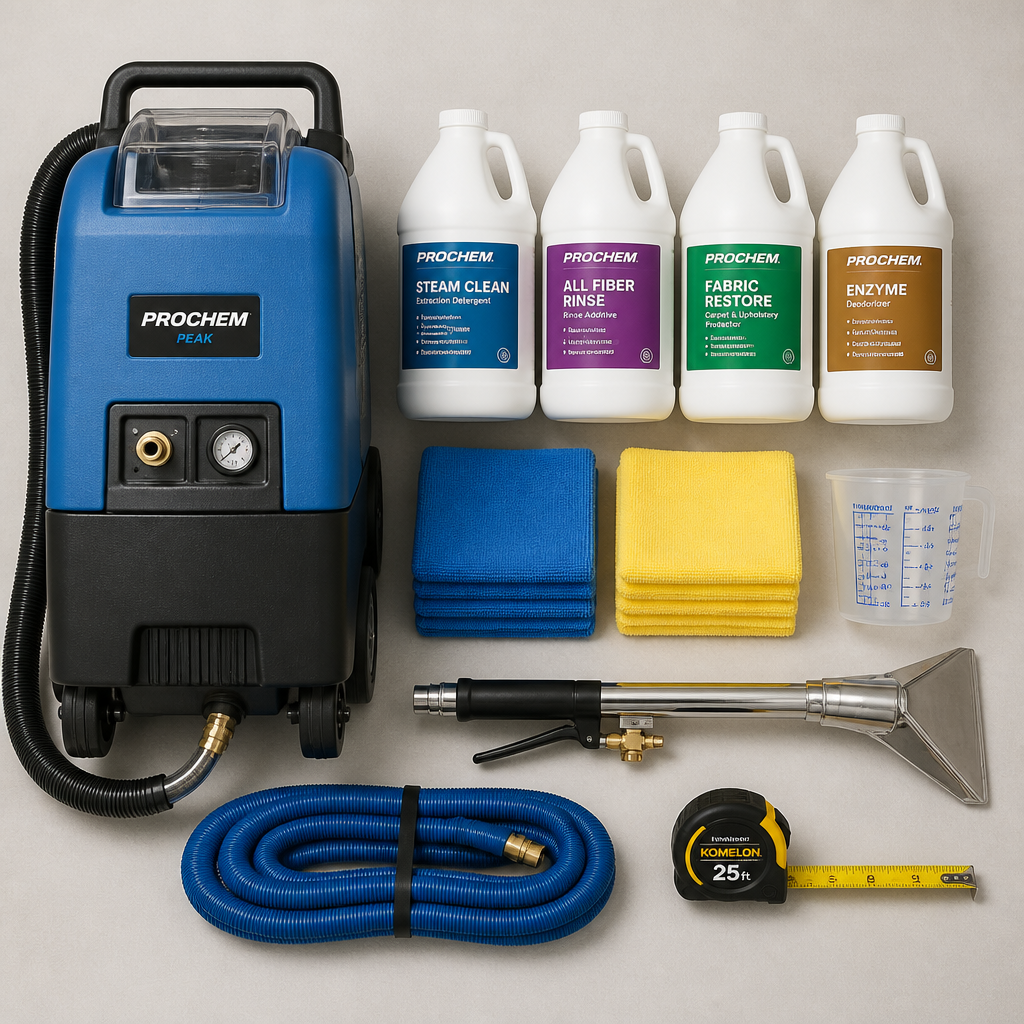
Commercial carpet cleaning in New Zealand is priced per site rather than from a fixed public price list, because the variables are too significant to quote without a site assessment. That said, there are realistic benchmark ranges worth knowing before you approach providers.
For commercial office spaces, cleaning is typically quoted per square metre after a walkthrough or floor plan review. Commercial carpet cleaning rates in NZ generally range from $2 to $6 per square metre for standard office carpet, with higher rates applying for heavily trafficked areas, specialist treatments, or out-of-hours work requirements. Providers including those operating in Christchurch typically apply a minimum charge, with many starting around $250, to ensure smaller jobs remain economically viable.
Factors that move the price upward from the lower end of that range include: heavy soiling levels that require additional pre-treatment, high furniture density that slows access, carpet tile versus broadloom (which affects agitation approach), and after-hours or weekend scheduling requirements. A reception area with daily foot traffic from deliveries, clients, and contractors requires significantly more work than a boardroom used twice a week, even if the square metreage is similar.
For context on the investment side of the equation: a mid-grade commercial carpet installation for a medium-sized Christchurch office can run between $8,000 and $25,000 when you factor in materials, installation, and business disruption. Regular cleaning at a fraction of that cost, spread over a five to seven year cycle, is straightforward to justify as a capital protection strategy.
Pre-winter preparation adds another consideration. Scheduling carpet cleaning before winter arrives rather than during it avoids rush fees, which can increase costs by 15 to 25 percent when demand is high and contractor availability is limited. Late April or early May is the practical window for Christchurch, completing extraction work before cold, humid conditions extend drying times.
Why Upholstery Cleaning Belongs in the Same Conversation
Businesses that invest in commercial carpet cleaning and ignore office upholstery are solving half the hygiene problem. Upholstery cleaning in Christchurch commercial settings is consistently undervalued, yet office chairs, reception sofas, meeting room seating, and soft partitioning panels carry a comparable contamination load to carpet.
Consider a typical open-plan Christchurch office. Staff sit in fabric chairs for eight hours a day, five days a week. Skin cells, hair, food particles, and bacteria accumulate in the fabric at a significant rate. The same traffic that degrades carpet is in direct, prolonged contact with upholstery every working day.
From a facilities management perspective, scheduling upholstery cleaning alongside or immediately following carpet cleaning makes logistical and cost sense. The same equipment, the same after-hours access window, and the same drying period can cover both. Separating them into disconnected jobs adds coordination overhead without any cleaning benefit.
For medical centres, schools, and childcare facilities operating in Christchurch, combined carpet and upholstery cleaning is effectively a hygiene obligation rather than an optional upgrade. These environments carry infection-risk loads that fabric furniture holds and redistributes across every person who uses the space.
What to Look for When Choosing a Commercial Carpet Cleaning Provider
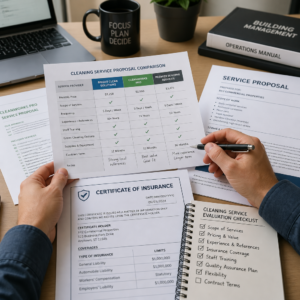
The commercial cleaning market in Christchurch includes national franchise operators, small independent operators, and commercial-specialist providers. The right choice for a property manager or business owner depends on more than price.
Insurance and Accountability
Any commercial carpet cleaning provider working in your building should carry public liability insurance. This is non-negotiable for commercial sites where equipment failure, water damage from over-wet extraction, or chemical damage to carpet could result in a significant claim. Confirm coverage before any provider accesses the site.
After-Hours Capability
Commercial carpet cleaning requires access to the building outside operating hours in most cases. A provider that cannot accommodate evening, weekend, or holiday scheduling is not a practical fit for commercial use. Ask specifically how they manage multi-site or recurring after-hours scheduling before committing to a provider.
Method Transparency
Ask any prospective provider what specific method they will use and why. A provider who cannot clearly explain the difference between hot water extraction and encapsulation, or who recommends the same method for every job regardless of traffic volume and carpet condition, is not applying commercial-grade expertise to your account.
Contract vs One-Off Service
For property managers handling multiple tenancies or large commercial floors, a scheduled maintenance contract delivers better consistency, priority scheduling, and often better pricing than ad hoc bookings. Triple Star Commercial Cleaning provides commercial carpet cleaning across Christchurch and Auckland on both one-off and ongoing contract terms, and all sites are covered by public liability insurance as an UpstreamNZ approved supplier.
Method Comparison: Hot Water Extraction vs Encapsulation vs Dry Compound
| Method | Best Use Case | Key Considerations |
|---|---|---|
| Hot Water Extraction | Scheduled deep cleans for all commercial carpet types, restorative cleaning for heavily soiled or high-traffic floors, post-construction cleaning | 4 to 8 hours drying time; requires after-hours access; most thorough removal of embedded soil, allergens, and bacteria; highest hygiene outcome; IICRC-recommended benchmark |
| Encapsulation | Interim maintenance between deep cleans, routine commercial maintenance in moderate-traffic areas, situations requiring fast turnaround | 1 to 2 hours drying time; low moisture; practical for business-hours cleaning in some cases; does not extract deep-seated soil; best used alongside, not instead of, hot water extraction |
| Dry Compound Cleaning | Moisture-sensitive carpets, spaces that must remain in use throughout the process, light maintenance cleaning | Near-zero downtime; no drying required; limited soil extraction depth; not suited as the primary method for high-traffic commercial environments; risk of compound residue if not thoroughly vacuumed |
Frequently Asked Questions
How often should a Christchurch office carpet be professionally cleaned?
It depends directly on daily foot traffic. Low-traffic spaces such as private offices and boardrooms used occasionally can typically be deep cleaned every 12 to 18 months. A standard open-plan office with 50 to 150 daily occupants should schedule deep cleaning every 6 to 12 months. High-traffic areas such as reception zones, corridors, and retail floors require deep cleaning every 3 to 6 months, with interim encapsulation maintenance in between. Christchurch buildings near active construction sites should shift toward the more frequent end of each range due to elevated particulate loads.
What is the difference between hot water extraction and steam cleaning?
The two terms are often used interchangeably, but they describe the same core process: hot water mixed with cleaning solution is injected into the carpet under pressure and immediately extracted, pulling dissolved soil, allergens, and bacteria with it. The water temperature used varies by equipment. Hot water extraction is the technically accurate term for commercial applications. It is the most thorough deep-cleaning method available for commercial carpet and the one recommended by the IICRC for restorative and scheduled deep cleans.
Is carpet cleaning included in a standard office cleaning contract?
No. Routine commercial cleaning contracts cover interim vacuuming and spot treatment, but deep carpet cleaning is a separate scheduled service. It requires different equipment, labour, and chemical requirements. Property managers should budget for deep carpet cleaning as a separate line item in their facilities maintenance plan rather than assuming it is included in a standard commercial cleaning agreement. Confirm this explicitly with any commercial cleaning provider before signing a contract.
How much does commercial carpet cleaning cost in Christchurch?
Commercial carpet cleaning in Christchurch is priced per site based on a walkthrough or floor plan assessment, because square metreage, soiling level, carpet type, furniture density, and access requirements all affect the final cost. As a general guide, commercial carpet cleaning in New Zealand typically ranges from $2 to $6 per square metre for standard office carpet. Most providers apply a minimum charge. After-hours or weekend work, heavily soiled areas, or specialist treatments will push costs toward the upper end of that range. Getting a site-specific quote before comparing providers is the only reliable way to budget accurately.
Should upholstery cleaning be scheduled at the same time as carpet cleaning?
Yes, and there is a practical case for doing so. Scheduling upholstery cleaning in the same access window as carpet cleaning avoids a separate after-hours booking, reduces coordination overhead, and allows both to dry during the same period. From a hygiene standpoint, office chairs, reception seating, and meeting room furniture accumulate the same soil load as high-traffic carpet. Cleaning the carpet while leaving heavily used fabric seating untouched is an incomplete hygiene outcome, particularly for medical centres, schools, and healthcare facilities where infection risk is a real consideration.
What should I ask a commercial carpet cleaning provider before booking?
Ask about their specific cleaning method and why they recommend it for your site. Confirm they carry public liability insurance. Ask whether they can schedule after-hours or on weekends. Find out whether their quote is fixed or subject to on-site adjustments. For property managers managing multiple tenancies, ask whether they offer scheduled maintenance contracts with priority booking. A provider who cannot answer these questions clearly is not equipped for commercial work at scale.
Have you recently reviewed your office’s carpet cleaning schedule, or are you still working from an annual-only approach? Share your experience or questions in the comments below.
References
- Triple Star Commercial Cleaning: Why commercial carpet cleaning matters for Christchurch offices
- Triple Star Commercial Cleaning: Commercial carpet cleaning frequency guide for property managers
- Triple Star Commercial Cleaning: When to schedule a commercial carpet deep clean in Christchurch
- At Your Service NZ: How much carpet cleaning costs in New Zealand
- Qual Group NZ: Commercial carpet cleaning methods explained including steam cleaning and encapsulation