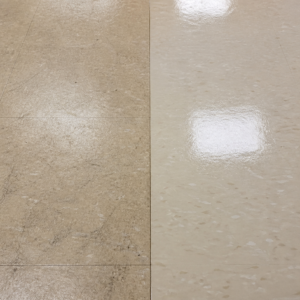
Losing part of your bond over a cleaning dispute is one of the most avoidable financial hits a tenant in Christchurch can take. Property managers in New Zealand report that cleaning failures are the single most common reason bond deductions are made, accounting for the majority of disputes lodged with Tenancy Services. If you are approaching the end of a tenancy, understanding exactly what end of lease cleaning christchurch standards require is not optional. It is the difference between walking away with your full bond or spending weeks in a tribunal process fighting over a dirty oven.
Table of Contents
- Quick Takeaways
- Why End of Lease Cleaning Matters in Christchurch
- The Complete Bond Cleaning Checklist for New Zealand Tenancies
- Common Mistakes That Cost Tenants Their Bond
- DIY vs Professional End of Lease Cleaning
- What Christchurch Property Managers Actually Inspect
- Bond Recovery Tips: How to Protect Yourself Before You Leave
- Frequently Asked Questions
- References
Quick Takeaways
| Key Insight | Explanation |
|---|---|
| Cleaning is the top bond dispute trigger in NZ | Tenancy Services data consistently shows cleaning failures as the leading cause of bond deductions, making thorough preparation non-negotiable. |
| The property must match the ingoing inspection report | Your cleaning standard is measured against the property condition at the start of the tenancy, not an abstract idea of clean. Get your original report before you start. |
| Ovens, extractor fans, and blinds are frequent fail points | These are the areas most tenants underclean. Grease buildup in ovens and dust-clogged blinds appear on almost every disputed inspection. |
| Professional carpet cleaning is often required in NZ tenancy agreements | Many Christchurch rental agreements specify professional carpet cleaning as a condition of vacating. Ignoring this clause will cost you the deduction plus the cleaning fee. |
| Photographic evidence protects you before and after | Timestamped photos of every room immediately after cleaning give you documented proof that the property was left in acceptable condition. |
| Hiring an insured professional cleaner provides receipt-based evidence | A receipt from a reputable cleaning company showing the scope of work is accepted by Tenancy Tribunal as evidence of due diligence. |
| Bond disputes can be avoided with a pre-exit inspection request | In New Zealand, tenants can request a pre-exit inspection with the landlord or property manager to identify any cleaning concerns before the final walkthrough. |
Why End of Lease Cleaning Matters in Christchurch
Christchurch has a competitive rental market, and property managers here operate to high inspection standards. Whether you are vacating a modern apartment in the CBD, a family home in Riccarton, or a commercial tenancy in the industrial zones, the expectation from landlords and property managers is consistent: leave the property in the same condition it was in when you arrived, accounting for fair wear and tear.
The New Zealand Residential Tenancies Act 1986, amended in 2021, outlines the tenant’s obligation to return the property in a reasonably clean and tidy condition. What that phrase means in practice is that a freshly vacated property should pass a critical visual inspection by a property manager who has seen hundreds of properties. Superficial cleaning rarely passes this standard.
In practice, the properties that pass first-time inspections in Christchurch are the ones where tenants treated the clean as a professional exercise rather than a quick Saturday morning job. The ones that fail consistently have the same problems: overlooked areas, skipped appliances, and surfaces that were wiped rather than properly cleaned.


The Complete Bond Cleaning Checklist for New Zealand Tenancies
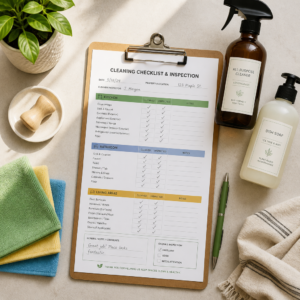
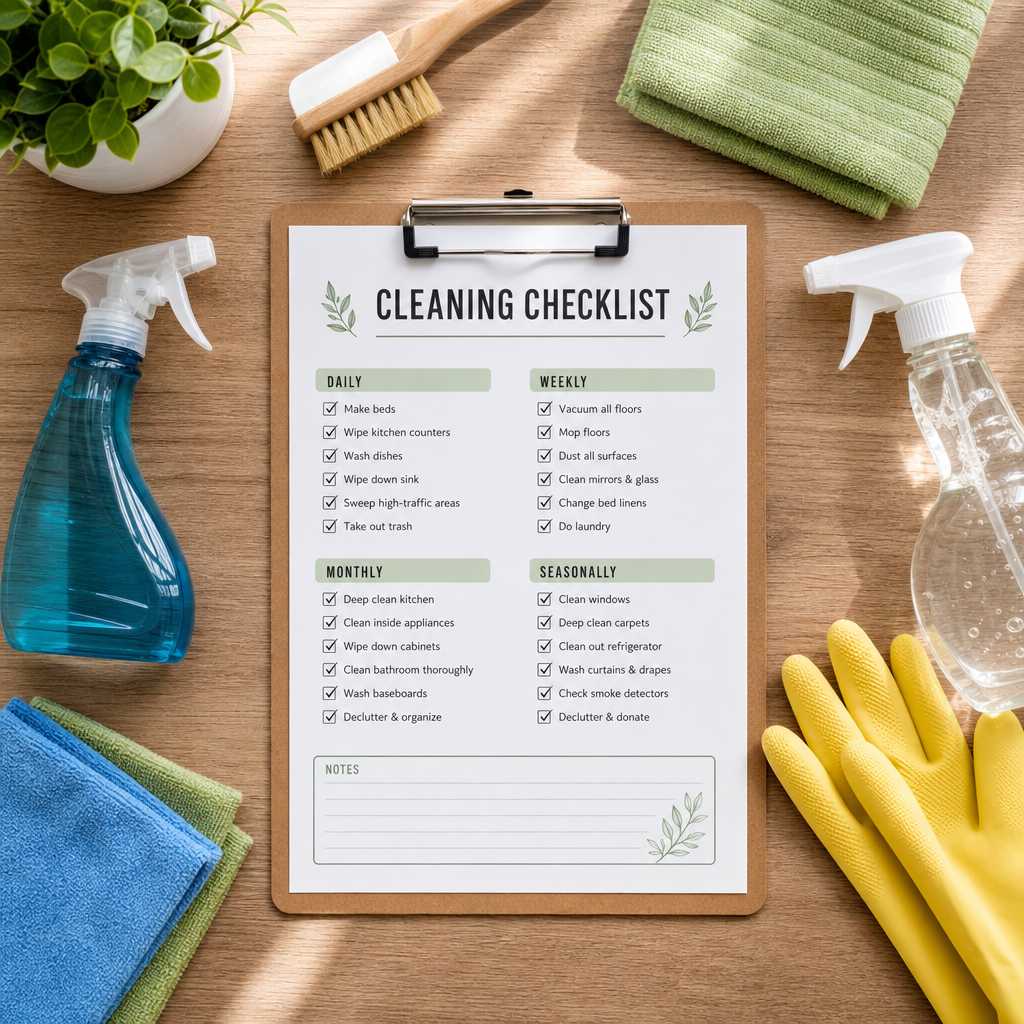
This checklist is based on the inspection standards used by property managers in Christchurch and Auckland, and reflects the scope of work carried out by professional end of lease cleaning teams. Work through it room by room. Do not skip sections because you think an area looks fine.
Kitchen
- Oven interior: degrease all surfaces, racks, glass door (inside and outside), and oven floor. This is the single most failed item in kitchen inspections.
- Rangehood and extractor fan: remove filters and wash them separately. Grease-coated filters are visible and will be flagged.
- Stovetop: remove burners or lift the glass top and clean underneath. Wipe control knobs.
- Dishwasher: clean the filter, wipe the door seal, and run a cleaning cycle.
- Refrigerator and freezer: defrost, wipe all interior shelves and drawers, clean the drip tray, and wipe the door seals.
- Cupboard interiors: wipe all shelves, remove shelf liner paper if used, clean hinge areas and door faces.
- Sink and taps: remove limescale, clean the drain, and polish the tapware.
- Splashback: remove grease and food splatter.
- Benchtops: clean and dry. Do not leave cleaning product residue.
Bathrooms and Toilets
- Shower: remove soap scum from glass screens, tiles, and taps. Scrub the shower floor and drain. Descale showerheads.
- Bath: clean the surface, taps, and overflow. Address mould around the seal.
- Toilet: clean the bowl inside and out, the seat, lid, cistern, and base.
- Vanity and mirror: clean the basin, taps, and mirror. Wipe the cupboard interior.
- Exhaust fan: remove dust from the cover.
- Tiles and grout: scrub grout lines. Discoloured grout is a common deduction reason.
Bedrooms and Living Areas
- Walls: check for marks and spot clean. Do not ignore scuff marks near light switches and door frames.
- Skirting boards: wipe with a damp cloth. This is checked more often than tenants expect.
- Light switches and power points: wipe clean of fingerprints and grime.
- Windows: clean glass on both sides where accessible, window tracks, and sills.
- Blinds and curtains: dust or vacuum blinds slat by slat. Wash curtains if required by the tenancy agreement.
- Wardrobes: clean shelves, hanging rails, and tracks.
- Carpets: vacuum thoroughly, then arrange professional carpet cleaning if required by your agreement.
Outdoor and Garage Areas
- Deck and patio: sweep, wash if needed, and remove any furniture marks.
- Garden: mow lawn, weed garden beds, remove rubbish.
- Garage: sweep floor, remove oil stains where possible, clear all items.
- Bins: clean and remove any rubbish left inside.
Pro tip: Work from the top of each room downward, cleaning ceilings and cornices before walls, and walls before floors. Dust and debris fall as you work, so cleaning in reverse order means you will redo surfaces you have already cleaned.
Common Mistakes That Cost Tenants Their Bond
A common mistake is assuming that a property looks clean enough when walking through it with tired eyes after moving out. Property managers inspect with fresh eyes, good lighting, and a checklist. The gap between those two perspectives is where bond deductions live.
Here are the specific failures that appear repeatedly in Christchurch bond disputes.
Skipping the Oven Entirely
Ovens are the most commonly failed item in rental inspections in New Zealand. Baked-on grease and carbon deposits do not come off with a quick wipe. They require oven-specific degreaser products left to soak, followed by systematic scrubbing. If you cannot get the oven professionally clean yourself, hire someone who can. The cost of professional oven cleaning is far less than a deduction for an oven that requires the landlord to arrange cleaning independently.
Ignoring the Ingoing Inspection Report
Your cleaning obligation is relative to the condition documented when you moved in. If the property had worn carpet at the start of the tenancy, you cannot be charged for worn carpet at the end. Many tenants fail to pull out their original ingoing condition report and compare it against what they are being charged for. This document is your primary defence in any Tenancy Tribunal hearing.
Cleaning Around Furniture Rather Than Moving It
Property managers move furniture during inspections. Dust, debris, and marks found behind or under furniture that was clearly not moved during cleaning will result in a failed inspection. Move everything out before you start cleaning.
Leaving Cleaning Product Residue
Streaky surfaces left with cleaning product residue are flagged as not properly cleaned. Always rinse and dry surfaces after using cleaning products. This applies particularly to glass, mirrors, and kitchen benchtops.

DIY vs Professional End of Lease Cleaning
The choice between cleaning the property yourself and hiring a professional team is a practical calculation, not just a matter of preference. Both approaches can achieve bond recovery if executed correctly. The data consistently shows, however, that professionally cleaned properties pass first-time inspections at a significantly higher rate than tenant-cleaned properties.
| Factor | DIY Cleaning | Professional End of Lease Cleaning (e.g. Triple Star) |
|---|---|---|
| Cost | Lower upfront cost for products and equipment. Hidden cost if inspection fails and remedial cleaning is needed. | Fixed quote covering full scope. Receipt provided as evidence. No hidden re-clean costs if scope was properly agreed. |
| Time required | A standard 3-bedroom property typically takes 2 to 3 full days of DIY cleaning to reach inspection standard. | A professional team completes the same property in 4 to 8 hours depending on condition. |
| Evidence for disputes | No third-party documentation. Tenant’s word only if a dispute arises. | Invoice and receipt showing scope of work. Accepted by Tenancy Tribunal as evidence of due diligence. |
| Risk of missed areas | High. DIY cleaners consistently miss extractor fans, oven interiors, window tracks, and blind slats. | Low. Professional teams work from a systematic checklist and are trained to identify and address inspection-critical areas. |
| Carpet cleaning | Rental machines from hardware stores produce inconsistent results. Not always accepted as equivalent to professional carpet cleaning under NZ tenancy agreements. | Professional carpet cleaning with documented method and receipt satisfies tenancy agreement requirements. |
The position taken here is clear: if your bond is worth more than NZD 1,000 and the property is a standard two or three-bedroom rental, professional end of lease cleaning pays for itself in risk reduction alone. For larger properties, the calculation is even more straightforward.
Pro tip: When you book a professional end of lease cleaning service in Christchurch, confirm in writing that the scope includes oven cleaning, window cleaning, carpet cleaning, and all appliances. A vague booking that just says “end of lease clean” may not cover the specific items your property manager will check.
What Christchurch Property Managers Actually Inspect
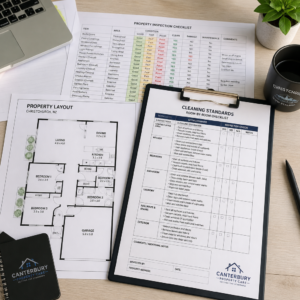
Property managers conducting final inspections in Christchurch work systematically. They are not hoping to find something wrong. They are working through a checklist against the original ingoing condition report. Understanding their process helps you clean to their standard rather than your own.
The Torch Test
Many property managers use a torch or phone light held at a low angle to surfaces to reveal streaks, dust, and residue that are invisible in normal lighting. Benchtops that appear clean in overhead light often show product residue and smearing under a torch. Clean and then dry every surface.
The High and Low Check
Inspectors check above door frames, the tops of kitchen cupboards, and the top edges of skirting boards. They also check behind toilets, under the fridge, and underneath oven drawers. These are the areas tenants consistently skip.
The Smell Test
Odour is an inspection item. Pet odours, cigarette smoke, and mould all result in deductions. If the property has any persistent odour, address the source rather than masking it with air freshener. A property manager who smells air freshener in an otherwise clean property will look harder, not less hard.
“The most common cause of bond disputes in New Zealand is cleaning, and the most common cleaning failure is the kitchen, specifically the oven and rangehood. Tenants consistently underestimate the standard required.” – Tenancy Services New Zealand, guidance documentation for landlords and tenants.
Bond Recovery Tips: How to Protect Yourself Before You Leave
Bond recovery is not just about cleaning well. It is about documentation, communication, and understanding your legal position as a tenant in New Zealand.
Request a Pre-Exit Inspection
Under New Zealand tenancy law, tenants can request a pre-exit inspection before the final inspection date. Use this to identify any areas the property manager considers below standard, then address them before the binding final inspection. This removes the element of surprise and demonstrates good faith.
Document Everything with Timestamped Photos
Before handing over the keys, photograph every room, every appliance interior, every window, and every outdoor area. Make sure the timestamps are visible. Upload these to cloud storage immediately so they cannot be altered. If a dispute arises, you have dated evidence showing the condition of the property at handover.
Retain All Receipts from Cleaning Services
If you hire a professional cleaning company such as Triple Star Commercial Cleaning for your end of lease clean in Christchurch, keep the invoice showing the date of service, the address, and the scope of work. This receipt is your primary piece of documentary evidence in any Tenancy Tribunal hearing.
Know What Fair Wear and Tear Means
Landlords cannot charge tenants for fair wear and tear. Faded paint, carpet worn in high-traffic paths, and minor scuffs on walls from normal use are not cleaning failures. However, carpet stains, burns, holes in walls, and broken fittings are separate from cleaning and may result in additional deductions beyond the cleaning scope.
Lodge Your Bond Refund Application Promptly
Once you have vacated and completed the clean, submit your bond refund application to Tenancy Services via their online portal. Do not wait for the landlord to initiate this. Joint applications process faster. If the landlord does not respond within a reasonable period, you can apply independently.
Frequently Asked Questions
How much does end of lease cleaning cost in Christchurch?
For a standard two-bedroom apartment in Christchurch, professional end of lease cleaning typically costs between NZD 250 and NZD 450, depending on the condition of the property and the scope of services required. Larger homes or properties in poor condition will cost more. Carpet cleaning is usually quoted separately. Always request an itemised quote so you know exactly what is included before you confirm the booking.
Does my tenancy agreement require professional carpet cleaning?
Many tenancy agreements in New Zealand include a clause requiring professional carpet cleaning at the end of the tenancy. Check your specific agreement. If it is specified, a receipt from a professional carpet cleaning service is required, and a rental machine from a hardware store will not satisfy the condition. If your agreement does not specify it but the carpet has visible staining, professional cleaning is strongly recommended to avoid deductions.
Can a landlord deduct bond for normal wear and tear?
No. Under the Residential Tenancies Act 1986, landlords cannot deduct bond for fair wear and tear. This includes minor paint fading, light carpet wear in walking paths, and normal use marks on surfaces. However, distinguishing wear and tear from damage or neglect is a judgment call, and if you believe a deduction is unfair, you have the right to dispute it through Tenancy Services and the Tenancy Tribunal.
How long before the end of my lease should I start cleaning?
In practice, starting the cleaning process at least five to seven days before your final inspection gives you enough time to complete a thorough clean, identify missed areas, fix anything the property manager raises at a pre-exit inspection, and arrange professional services for carpets or specialist areas. Leaving it to the last 24 hours is the most common reason tenants produce substandard results.
What happens if I fail the final inspection in Christchurch?
If the property manager finds cleaning issues at the final inspection, they will typically give you an opportunity to remedy the issues within a specified timeframe before deducting from your bond. If you cannot or do not remedy the issues, the landlord can arrange cleaning at your expense and deduct the cost from your bond. If you dispute the deduction, the matter goes to Tenancy Services mediation or the Tenancy Tribunal for resolution.
Is it worth hiring a professional cleaner just for the bond?
Yes, in most cases. The cost of professional end of lease cleaning is almost always less than the bond deduction a property manager will apply for a property that does not meet inspection standards. Beyond the financial calculation, a professional cleaner provides documented evidence of the clean, which is valuable protection if any dispute arises.
What areas do Christchurch property managers most commonly fail tenants on?
The consistent fail points in Christchurch rental inspections are the oven interior, the rangehood and extractor filters, window tracks, bathroom grout and sealant, skirting boards, and carpet condition. These are the areas where DIY cleaning most often falls short of the standard required. Any professional end of lease cleaning checklist should treat these areas as mandatory and non-negotiable.
Have you recently gone through an end of lease clean in Christchurch? We would like to hear what worked, what surprised you, or what you wish you had known before the final inspection.
References
- New Zealand Tenancy Services government portal covering tenant and landlord obligations, bond processes, and dispute resolution
- Forbes business and property management insights on rental market standards and tenant responsibilities
- Statista global data and statistics on rental housing markets and cleaning industry benchmarks
- New Zealand Ministry of Housing and Urban Development resources on tenancy legislation and residential property standards
- Consumer New Zealand independent guidance on tenant rights, bond disputes, and rental agreements in New Zealand