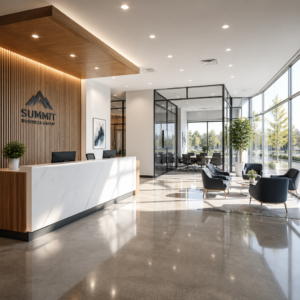
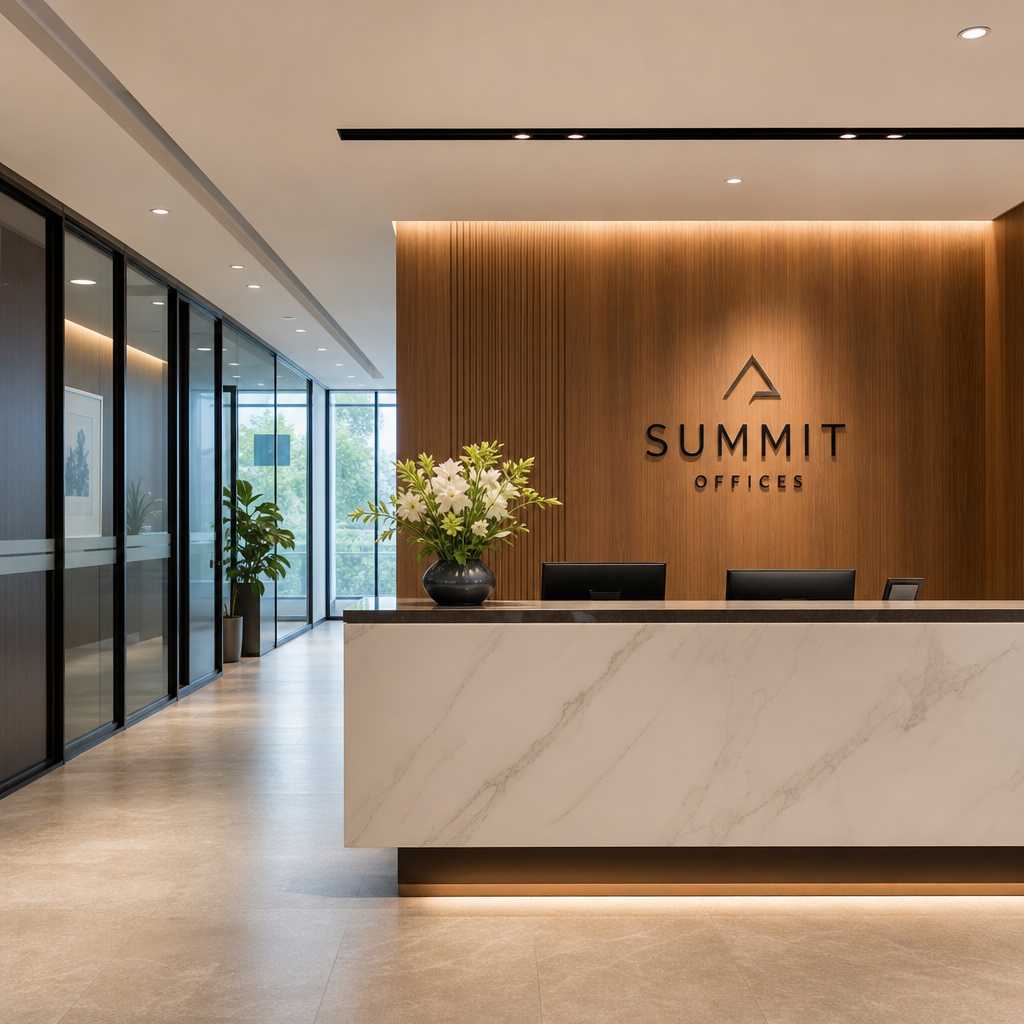
Your reception area is the first thing every client, visitor, and job applicant sees when they walk through your door. Research from Harvard Business School confirms that first impressions form within seven seconds, and those impressions are remarkably sticky. A dirty entry mat, smudged glass door, or dusty reception desk tells visitors something about how you run your business before a single word is exchanged. For commercial property managers and business owners in Christchurch and Auckland, reception area cleaning is not optional maintenance. It is a direct business asset.
Table of Contents
- Quick Takeaways
- Why Entry Areas Get Dirty Fast
- Reception Area Cleaning Checklist
- Entrance Cleaning Techniques That Actually Work
- How Often Should You Clean Your Reception Area
- Commercial Cleaning Approaches Compared
- What Property Managers and Facility Managers Get Wrong
- Frequently Asked Questions
- References
Quick Takeaways
| Key Insight | Explanation |
|---|---|
| Glass surfaces require daily attention | Entry doors and sidelights attract fingerprints and smudges every hour. A streaky glass door is one of the most noticed cleanliness failures by visitors. |
| Floor mats are hygiene traps, not just cosmetic items | Entrance mats accumulate up to 80% of dirt tracked into a building. Mats that are not vacuumed daily and deep-cleaned weekly become a source of soil distribution, not soil containment. |
| Reception desks are high-touch surfaces requiring disinfection | Pens, sign-in sheets, keyboards, and countertops are touched by every visitor. These surfaces carry a significantly higher bacterial load than most areas in the office. |
| Scent is part of cleanliness perception | Studies in environmental psychology show that odour is one of the first things people register in a space. A clean-looking reception that smells stale will still create a negative impression. |
| Lighting amplifies cleanliness or its absence | Bright reception lighting is designed to impress, but it also makes dust, smudges, and debris far more visible than in back-of-house areas. This means cleaning standards must be higher, not equal. |
| Entrance cleaning must match foot traffic patterns | A medical centre with 200 daily patient visits needs a fundamentally different cleaning schedule than a small professional services office. Frequency should be driven by traffic data, not convenience. |
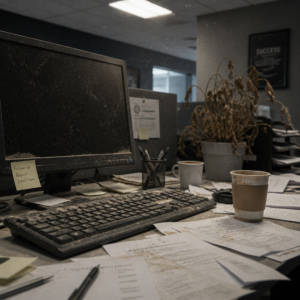
| Clutter and cleanliness are perceived together | Even a spotlessly cleaned desk covered in stacked papers reads as unclean to visitors. Cleaning contracts should address tidying protocols alongside sanitation tasks. |
Why Entry Areas Get Dirty Fast
Entry areas and reception zones are the most trafficked parts of any commercial building. Every person who enters brings in moisture, soil, pollen, and debris from outside. In Christchurch and Auckland, seasonal weather compounds this. Winter rain means wet shoes and dripping umbrellas. Canterbury wind days send fine dust through every opening. Auckland humidity encourages mould and odour buildup in carpet fibres near entry points.
The physics of this problem are straightforward. A standard commercial entry mat captures approximately 60% to 80% of incoming soil if it is the right size and properly maintained. Once that mat reaches saturation, it stops capturing anything and starts redistributing soil into the building. This is why entrance cleaning cannot be treated as a weekly task bolted on to a standard office clean.
There is also the issue of surface variety. Reception areas typically combine hard flooring, carpet or rugs, glass panels, upholstered seating, timber or laminate counters, and electronic equipment. Each surface type requires a different product and technique. A cleaner using a general-purpose spray across all of them is cutting corners that will become visible within days.


Reception Area Cleaning Checklist
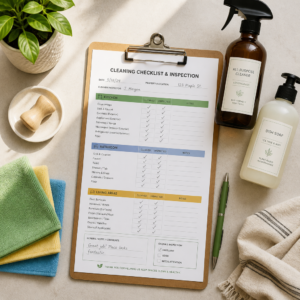
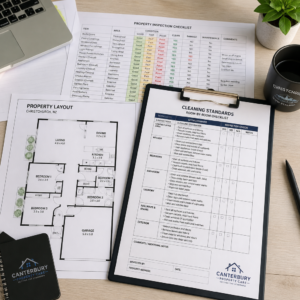
In practice, a strong reception area cleaning routine breaks down into three tiers: daily tasks, weekly tasks, and periodic deep cleaning. Collapsing all of these into one weekly clean is the single most common mistake commercial tenants and property managers make.
Daily Cleaning Tasks for Reception and Entry Areas
Daily tasks should be completed either before the business opens or after the last visitor leaves. These include vacuuming or shaking entrance mats, mopping hard floors at the entry point, wiping all glass surfaces with a microfibre cloth and glass cleaner, disinfecting the reception counter and any shared touchpoints like pens or sign-in tablets, and emptying bins in the waiting area.
Waiting area seating should be visually inspected and spot-cleaned daily. If your reception has plants, water pooling in trays or dropping leaves onto the floor needs addressing at this frequency too. These are not optional details. They are the difference between a reception that looks managed and one that looks forgotten.
Weekly Cleaning Tasks
Weekly tasks include deep-vacuuming entry mats using an extraction method if possible, wiping down skirting boards and wall switches, cleaning light fittings and any decorative items on the reception desk, and sanitising upholstered reception chairs using an appropriate fabric cleaner. Window sills and door frames collect dust at a rate that becomes visible within a week in most buildings.
Pro tip: Ask your commercial cleaning provider specifically which tasks are daily versus weekly in their service agreement. Vague contracts that list items without assigning frequency are a reliable predictor of inconsistent results.
Periodic Deep Cleaning Tasks
Deep cleaning of entry and reception areas should occur at minimum every 8 to 12 weeks and should include carpet extraction or hard floor stripping and resealing if applicable, full glass cleaning including sidelights and internal panels, upholstery cleaning for reception seating, and a full disinfection of all surfaces. For medical centres and schools, this cycle should be compressed to every 4 to 6 weeks given infection control requirements.
Entrance Cleaning Techniques That Actually Work
The detail that separates professional commercial cleaning teams from basic cleaning crews is technique, not just frequency. The wrong technique applied consistently still produces poor results.
Glass and Glazed Surfaces
Glass entry doors should be cleaned in a consistent direction using a microfibre cloth, not paper towel or cotton rags. Paper towel leaves lint. Cotton spreads oil rather than removing it. A two-step process works: one pass with a diluted glass cleaner to lift soil, a second dry pass to remove streaks. Cleaning glass against direct sunlight causes rapid drying and streaking. This is a basic technique error that results in constant complaints from clients.
Hard Floor Entry Areas
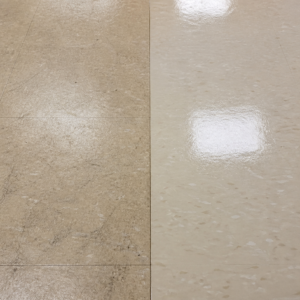
Mopping entry floors with a dirty mop in a bucket of water that has already been used elsewhere in the building deposits soil rather than removing it. Entry floors should be mopped first in a cleaning run, not last. Microfibre flat mops outperform string mops for commercial entries because they do not redistribute water and they lift fine dust rather than pushing it to the edges.
For polished concrete, vinyl, or tile entries, a two-bucket system with a clean rinse bucket is minimum standard practice. Entries that see high foot traffic may need mopping twice during a standard clean cycle.
Upholstered Reception Seating
A common mistake with reception chairs is vacuuming the seat surface only and ignoring the back, arms, and base. Dust accumulates on the back of upholstered chairs and on the chair legs at a rate most people underestimate. Fabric seating in waiting areas also absorbs odours from clothing, food, and general use. Spot treatment with an upholstery spray at a weekly interval prevents the kind of deep saturation that requires full extraction cleaning to fix.
Pro tip: For medical centres and healthcare facilities, reception seating should be specified as vinyl or faux leather wherever possible. Fabric seating in clinical environments is genuinely difficult to maintain to infection control standards and the cleaning cost is significantly higher over the asset life.

How Often Should You Clean Your Reception Area
The honest answer is: more often than most businesses currently do it. The data on this is consistent. According to a 2022 facility management survey by the International Sanitary Supply Association (ISSA), businesses that cleaned high-traffic areas daily rather than every second day reported a 34% reduction in visitor complaints about facility condition. That is not a marginal improvement.
“First impressions are not just psychological. They are operational. A reception area that is cleaned once a week is operating as if no one visits on the other four days.” – ISSA Facility Management Report, 2022
For an office in the Christchurch CBD with 20 staff and moderate client foot traffic, a daily clean of the entry and reception zone is realistic and cost-effective. For a retail store in Auckland with 300-plus daily customers, entry cleaning should be scheduled in multiple shifts throughout the day, not just once in the evening.
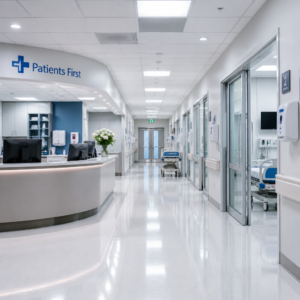
Schools and medical centres present a different challenge entirely. Reception areas in GP clinics and specialist practices are primary transmission zones for airborne and contact pathogens. Minimum cleaning frequency for these environments should be hourly disinfection of counters and touchpoints, with a full clean at start of day and end of day. This is not negotiable from an infection control standpoint.
Commercial Cleaning Approaches Compared
Not all commercial cleaning arrangements deliver the same result for reception and entry areas. Here is a direct comparison of the three most common approaches used by businesses in Christchurch and Auckland.
| Approach | Best Suited For | Common Limitation |
|---|---|---|
| Franchise cleaning model (e.g. national franchise networks) | Businesses wanting a standardised checklist-based service across multiple sites | Staff turnover is high in franchise models, which means inconsistent familiarity with your specific site and entry requirements. Quality varies by franchise owner, not by brand. |
| In-house cleaner employed directly by the business | Large facilities with stable foot traffic and in-house HR capacity | Cover for leave, sick days, and equipment maintenance falls to the business owner or facility manager. Training to commercial cleaning standards requires ongoing investment. |
| Independent commercial cleaning contractor (e.g. Triple Star Commercial Cleaning) | Businesses requiring flexible scheduling, site-specific cleaning plans, and accountability without franchise overhead | Requires clear communication of scope upfront. Businesses that do not define expectations in writing get varying results early in the contract period. |
In practice, the franchise model works well for commodity cleaning of back-of-house areas but tends to underperform on the nuanced requirements of reception and entry areas. The reason is structural. Franchise cleaners are assigned routes and often work across many sites in a single night. Deep familiarity with a specific reception layout, the specific cleaning product needed for your flooring type, or the preference of your property manager does not develop at pace.
An independent contractor who services your site consistently and communicates directly with your office manager or property manager delivers a more reliable standard for client-facing areas. That consistency is what Triple Star Commercial Cleaning structures its contracts around, which is why we maintain long-term relationships with property managers and body corporates across Christchurch and Auckland rather than operating on a rotation model.
What Property Managers and Facility Managers Get Wrong
Property managers and facility managers are typically excellent at managing hard costs. Where they frequently underperform is in treating cleaning as a line item to compress rather than an asset to protect.
Choosing Price Over Scope Definition
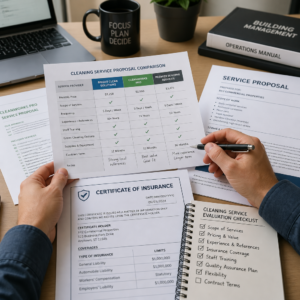
The most expensive cleaning mistake is signing a contract based on a low hourly rate without specifying exactly what is included for the reception and entry zone. A cleaner who vacuums the mat and empties the bin in the reception is technically cleaning the area. A cleaner who vacuums the mat, mops the hard floor, wipes the glass, disinfects the counter, spot-cleans the chairs, and checks the light fittings is performing reception area cleaning to a standard that protects your building’s presentation. The difference in cost is smaller than the difference in outcome.
Not Accounting for Seasonal Changes
Canterbury and Auckland have distinct seasonal patterns that directly affect how dirty an entry area becomes. Winter in Christchurch means wet entries from rain and frost. Summer in Auckland means pollen, dust, and humidity-driven odour. A static cleaning schedule that does not increase entry cleaning frequency during high-soil seasons will fall behind within weeks. Property managers who review their cleaning contract annually rather than seasonally consistently end up with complaints from tenants about building presentation.
Ignoring Feedback Loops
The best signal that your reception cleaning standard has slipped is not your own observation. It is the comment from a client or visitor who notices before you do. Building a simple feedback mechanism into your reception, whether a short satisfaction form or a monthly check-in with the building’s cleaning supervisor, catches problems before they become reputation issues. Triple Star operates on a direct communication model between the cleaning team and the property manager precisely because feedback loops drive consistent quality better than any inspection checklist alone.
Frequently Asked Questions
What is included in a professional reception area cleaning service?
A professional reception area cleaning service should include daily vacuuming and mopping of entry floors, glass cleaning on all door panels and sidelights, disinfection of the reception counter and shared touchpoints, vacuuming and spot-cleaning of waiting area seating, emptying bins, and a visual check of the space for anything requiring attention. Periodic deep cleaning of carpets, upholstery, and hard floor coatings should also be included in the contracted scope at defined intervals.
How often should entrance mats be cleaned in a commercial building?
Entry mats in a standard commercial building should be vacuumed daily and rotated or deep-cleaned at least weekly. In high-traffic environments like medical centres, schools, or busy retail stores, mats may need vacuuming multiple times per day. Mats that are not maintained at this frequency stop capturing soil and begin redistributing it across the entry floor, which defeats their purpose and increases hard floor cleaning costs.
What cleaning products should be used on reception area glass doors?
A pH-neutral glass cleaner applied with a clean microfibre cloth is the right choice for commercial glass entry doors. Avoid ammonia-based cleaners on tinted glass panels as they can cause long-term degradation of the tinting film. Never use abrasive cloths or paper towel on polished glass surfaces. For exterior glass panels in high-pollen environments like Christchurch in spring, a more frequent cleaning schedule using a light detergent solution may be required.
Can Triple Star Commercial Cleaning service both our Christchurch and Auckland offices?
Yes. Triple Star Commercial Cleaning operates across both Christchurch and Auckland, which makes it a practical choice for businesses or property portfolios with sites in both cities. Having a single cleaning provider across multiple locations simplifies contract management, ensures consistent service specifications, and creates a single point of contact for property managers overseeing multiple buildings.
What is the difference between daily commercial cleaning and a periodic deep clean for reception areas?
Daily commercial cleaning maintains surface cleanliness and prevents soil buildup. It covers visible surfaces, floors, glass, and bins. A periodic deep clean addresses accumulated soil in carpet fibres, upholstery fabric, grout lines, floor coatings, and areas that daily cleaning does not reach in detail. Both are necessary. Daily cleaning without periodic deep cleaning leads to gradual degradation of surfaces. Periodic deep cleaning without daily maintenance means the deep clean is fighting against weeks of accumulated soil every cycle.
How do I know if my current reception cleaning standard is adequate?
The simplest test is to walk into your own reception area as if you were a first-time visitor. Look at the glass door from outside. Check the entry mat. Run your finger along the reception counter edge and the skirting boards. Sit in the waiting area chairs and look at the back of the seating. If any of these reveal visible dust, soil, or smudging, your current cleaning standard is falling below what a visitor will notice. A site audit from a professional commercial cleaning provider is a fast way to get an objective assessment.
If you manage a commercial property in Christchurch or Auckland and want to share what has worked or not worked in your reception cleaning setup, we would genuinely like to hear your experience.
References
- Forbes business insights on workplace environment and professional standards
- Statista global data on facility management and commercial cleaning industry trends
- HubSpot marketing statistics on customer perception and first impressions in business environments
- ISSA cleaning industry research on hygiene standards and facility cleanliness outcomes
- New Zealand Ministry of Health guidance on infection control and hygiene standards in healthcare and public facilities