Most construction project delays happen in the final week before handover. Not because of structural work, not because of compliance issues, but because the site is not clean enough to hand over. If you have managed a construction project in Christchurch, you already know the pressure of that final inspection. Builders cleaning Christchurch contractors describe as a specialist service is not the same as a standard office clean, and treating it that way is one of the most expensive mistakes a project manager can make.
Table of Contents
- Quick Takeaways
- What Is Builders Cleaning
- What Builders Cleaning Actually Covers
- Why Christchurch Construction Projects Need Specialist Cleaning
- Builders Cleaning vs Standard Commercial Cleaning
- Stages of a Builders Clean
- Common Mistakes on Construction Sites Before Handover
- How to Choose a Builders Cleaning Company in Christchurch
- Frequently Asked Questions
- References
Quick Takeaways
| Key Insight | Explanation |
|---|---|
| Builders cleaning is a distinct service category | It requires specialist equipment and techniques to remove construction dust, adhesive residue, paint overspray, and silicone smears that standard cleaning cannot address. |
| Post-construction cleaning NZ regulations matter | New Zealand workplace health and safety guidelines require sites to be clear of construction debris and hazardous residue before occupation. A professional builders clean supports this compliance. |
| Timing of the builders clean affects your handover date | Scheduling the clean too early means tradespeople will dirty the site again. Scheduling it too late delays your handover. The clean must be sequenced correctly within your project programme. |
| Three distinct stages exist in a proper builders clean | Rough clean, fine clean, and sparkle clean each serve a different purpose. Skipping any stage leaves visible defects that fail inspections. |
| Construction site cleaning Christchurch involves post-earthquake rebuild awareness | Many Christchurch builds involve earthquake-strengthened or heritage-adjacent structures. Cleaners need to understand surface sensitivities specific to these projects. |
| Insurance coverage is non-negotiable | Any cleaning company working on a construction site must carry public liability insurance. Damage to new fixtures without insurance cover comes directly out of the builder’s pocket. |
| Generic commercial cleaners consistently underperform on construction sites | Without training in construction residue removal, standard cleaning teams use the wrong chemicals on sealed floors, tinted glass, and powder-coated surfaces, causing irreversible damage. |
What Is Builders Cleaning
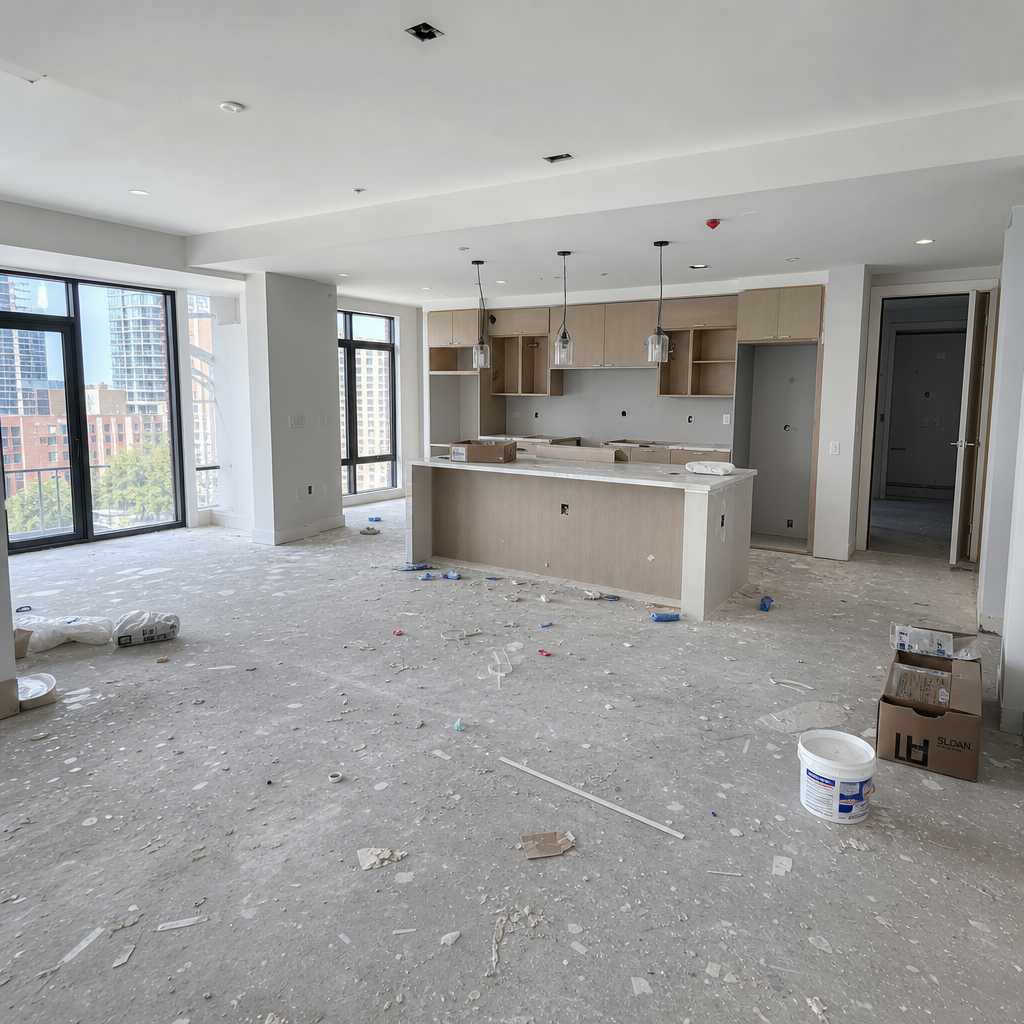
Builders cleaning is a professional cleaning service performed after construction or renovation work is complete, and before the building is handed over to the client, tenant, or owner. It removes all traces of the building process: plaster dust, cement smears, grout haze, silicone residue, paint splatter, adhesive marks, protective film, sawdust, metal filings, and general construction debris.
The service is also called post-construction cleaning in New Zealand, and the two terms are interchangeable. What matters is that this is not an enhanced version of regular cleaning. It is a separate discipline with its own chemical requirements, equipment, and process knowledge. A team that cleans offices five days a week does not automatically have the skills to clean a freshly built commercial fitout.
In practice, builders cleaning sits at the intersection of construction project management and professional cleaning. The cleaning team needs to understand construction sequencing, surface materials, curing times for sealants and coatings, and the correct chemicals to use on materials like low-E glass, engineered stone, powder-coated aluminium, and polished concrete. Getting this wrong is not a minor inconvenience. It can permanently damage expensive new finishes.


What Builders Cleaning Actually Covers
The scope of a builders clean varies by project size and type, but a complete service covers every surface that tradespeople have touched, walked past, or worked near. That is a longer list than most project managers expect.
Interior Surfaces and Fixtures
Windows are cleaned inside and out, including frames and reveals, with attention to construction stickers, silicone smears, and plaster splatter. Floors are swept, vacuumed, and mopped according to the floor type: sealed concrete, vinyl plank, ceramic tile, and carpet each require a different approach. Kitchen and bathroom fixtures are descaled and polished. Doors, door frames, architraves, and skirtings are wiped free of dust and paint marks.
Cabinetry interiors are cleaned, overhead spaces including light fittings and diffusers are dusted, and air conditioning grilles are wiped down. Every surface that will be visible to the client at handover needs to be in inspection-ready condition.
External Areas and Site Surrounds
External areas include hard surface cleaning of car parks, paths, and loading docks. Builders regularly track concrete and plaster onto paved surfaces. Window cleaning extends to external glazing, and any construction hoarding or temporary protection that has left marks on building facades needs to be addressed.
Pro tip: Always confirm with your cleaning provider whether external areas and car parks are included in their quoted scope. Some builders cleaning companies in Christchurch quote interior only as a default, and external cleaning is priced separately. Clarify this before work begins to avoid a shortfall at handover.
Hazardous Residue Removal
Construction sites in New Zealand generate residue that falls under health and safety obligations. Fine silica dust from concrete cutting, fibreglass particles, and chemical residues from solvents and adhesives must be properly removed, not just swept aside. A professional builders cleaning team uses HEPA-filter vacuums and appropriate PPE to manage this safely. WorkSafe New Zealand sets clear expectations around site cleanliness before occupation, and a professional clean is part of meeting those expectations.
Why Christchurch Construction Projects Need Specialist Cleaning
Christchurch has been one of the most active construction markets in New Zealand for over a decade. The post-earthquake rebuild programme, combined with ongoing commercial development and residential growth, means there is a consistently high volume of new and refurbished buildings reaching the handover stage every month. That volume creates pressure on every part of the project delivery chain, including the cleaning phase.
Construction site cleaning in Christchurch presents some specific challenges that are worth understanding if you are managing a project here.
Heritage and Seismic Retrofit Projects
Christchurch has a significant number of buildings that have undergone seismic strengthening or heritage restoration since the 2010 and 2011 earthquakes. These buildings often combine original heritage materials, such as stone, brick, and Victorian-era timber, with modern reinforcing structures and new fitout elements. Cleaning these surfaces requires knowledge of which chemicals are safe on lime-based mortars, heritage plasterwork, and original joinery. Using the wrong product can strip protective coatings or etch original surfaces that cannot be replaced.
New Commercial Developments in the Central City
The Christchurch central city rebuild has produced a large number of contemporary commercial buildings with specification finishes: polished concrete floors, floor-to-ceiling glazing, exposed steel structures, and high-end joinery. These materials are demanding to clean correctly and unforgiving if cleaned incorrectly. Post-construction cleaning NZ professionals working in this environment need to be familiar with manufacturer cleaning recommendations for each surface type.
Pro tip: Before your builders cleaning team starts work, provide them with a finishes schedule from your architect or project manager. This document lists every surface material and its specification. A professional cleaning company will use it to select the correct products for each area, which protects both the finish and your warranty obligations.

Builders Cleaning vs Standard Commercial Cleaning
This distinction matters more than most people realise until something goes wrong. Standard commercial cleaning is a maintenance service. It keeps a clean building clean. Builders cleaning is a restoration and preparation service. It transforms a construction site into an occupiable building.
| Factor | Builders Cleaning | Standard Commercial Cleaning |
|---|---|---|
| Primary purpose | Remove construction residue and prepare building for first occupation | Maintain cleanliness in an already-occupied building |
| Equipment required | HEPA vacuums, floor scrubbers, pressure washers, extension cleaning tools, specialist chemical kits | Standard vacuum, mop, microfibre cloths, general-purpose cleaners |
| Chemical knowledge | Must know safe products for new sealed surfaces, tinted glass, powder-coated frames, engineered stone, polished concrete | General surface cleaners sufficient for most tasks |
| Timing and sequencing | Must be coordinated with construction programme and staged across rough, fine, and sparkle cleans | Regular scheduled visits, independent of construction activity |
| Labour hours per square metre | Significantly higher due to debris volume and surface complexity | Lower, as surfaces are already clean and maintained |
| Risk of surface damage | High if wrong products or techniques are used on new finishes | Low when standard procedures are followed correctly |
The financial case for using a specialist is straightforward. A damaged polished concrete floor or etched glazing panel on a new commercial fitout costs far more to repair or replace than the difference in price between a specialist and a generalist cleaning team. This is not a cost-cutting opportunity.
Stages of a Builders Clean
A properly executed builders clean follows three distinct stages. Each stage serves a specific purpose, and skipping any one of them creates visible defects that will be picked up at the handover inspection.
Stage One: Rough Clean
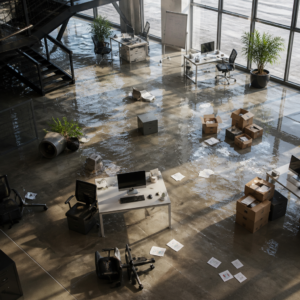
The rough clean happens while construction is still in its final phases, typically after the main trades have finished but before final touches are complete. This stage removes bulk waste: off-cuts, packaging, excess materials, and heavy debris. It also involves the initial removal of heavy dust deposits from floors, surfaces, and structural elements. The goal is to make the site safe and accessible for the fine clean team.
Stage Two: Fine Clean
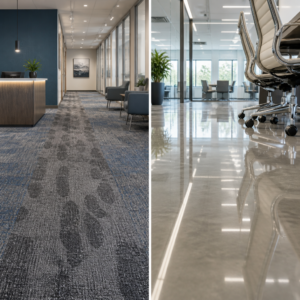
The fine clean is the main event. This is where the specialist work happens. Windows are cleaned inside and out, floors are scrubbed and polished, all fixtures and fittings are cleaned and checked, kitchen and bathroom areas are detailed, and every wall surface, frame, and fitting is wiped down. Paint splatter, silicone residue, plaster smears, and adhesive marks are removed using appropriate solvents and techniques for each surface type.
This stage takes the most time and requires the most skill. A thorough fine clean on a medium-sized commercial fitout can take a team of four or five people a full working day or more, depending on the specification of the finishes and the state the tradespeople have left the site in.
Stage Three: Sparkle Clean
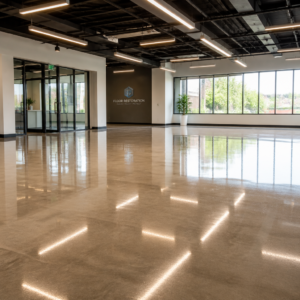
The sparkle clean, sometimes called the handover clean, happens immediately before the client walkthrough. It addresses any dust that has settled after the fine clean, polishes glass and mirror surfaces, spot-cleans any marks that have appeared during the final days of construction activity, and ensures the building presents at its absolute best for the handover inspection. This is typically a shorter visit, but it is not optional. Dust settles. Things get touched. The sparkle clean is what gets you over the line.
“The handover clean is the last impression a builder leaves with a client before the keys change hands. It is also the first impression the client forms of their new space. Both matter enormously.” – Construction Project Management perspective shared across New Zealand industry forums and project delivery guides.
Common Mistakes on Construction Sites Before Handover
After working across commercial construction sites in Christchurch and Auckland, several patterns of failure appear repeatedly in the weeks before handover. These are not edge cases. They are predictable problems with predictable solutions.
Leaving Cleaning to the Construction Crew
A common mistake is expecting the construction crew or subcontractors to handle the final clean as part of their site tidiness obligations. Construction workers are skilled at building. They are not trained cleaners, and they do not have the equipment or chemical knowledge to produce a handover-ready finish. The result is a site that looks visually tidy but fails a close inspection: smeared windows, hazed grout, adhesive residue on floors, and plaster dust in light fittings.
Booking the Clean Too Early
Booking the fine clean before all trades have finished is another reliable way to waste money. If painters or tilers return to the site after the fine clean has been completed, the cleaning work is partially undone. The fine clean must be scheduled after the last tradesperson has left the site for the final time. In practice, this means close communication between the project manager, the building contractor, and the cleaning company.
Using the Wrong Cleaning Products on New Surfaces
Builders clean New Zealand professionals consistently identify this as the most damaging error. Acidic cleaners used on polished concrete will dull the finish permanently. Abrasive cleaners on powder-coated aluminium frames leave scratches that are visible in direct light. Glass cleaners containing ammonia can damage low-emissivity window coatings. The surface damage is often not discovered until the handover inspection, at which point it is too late to correct without replacing the affected element.
How to Choose a Builders Cleaning Company in Christchurch
Not all cleaning companies that advertise builders cleaning in Christchurch have the experience or equipment to deliver it properly. The following factors separate capable providers from those who will cause you problems at handover.
Verify Insurance Before Anything Else
Any cleaning company working on a construction site must carry current public liability insurance. This protects you if their team damages a new fixture, breaks a window, or causes any other harm during the clean. Ask for a certificate of currency before the company sets foot on site. At Triple Star Commercial Cleaning, all cleaning sites are covered by public liability insurance, which is a basic requirement for working in this environment.
Ask About Their Construction Site Experience Specifically
General commercial cleaning experience is not sufficient evidence of builders cleaning capability. Ask the company directly how many construction sites they have cleaned in the past twelve months, what types of projects (fitout, new build, renovation, heritage), and whether they can provide references from Christchurch-based builders or project managers. The answers will quickly reveal whether you are dealing with a specialist or a generalist who has added builders cleaning to their service list.
Check Their Equipment and Chemical Knowledge
A professional builders cleaning company should be able to describe, without hesitation, the equipment they use for different tasks and why. HEPA vacuum filtration for fine dust, the appropriate solvents for silicone removal versus adhesive removal, the correct approach for polished concrete versus ceramic tile. If the answer is vague or generic, that is a clear signal to keep looking.
Pro tip: Request a site visit and written quote before confirming any builders cleaning booking. A reputable company will walk the site, assess the scope accurately, and provide a detailed quote that breaks down the stages of the clean. A quote given over the phone without a site visit is almost always inaccurate and leads to disputes at invoice time.
Triple Star Commercial Cleaning has provided builders cleaning and post-construction cleaning across Christchurch and Auckland since 2015. The team works directly with construction companies, project managers, and property developers to coordinate the cleaning schedule within the project programme and deliver inspection-ready results at handover.
Frequently Asked Questions
What is the difference between builders cleaning and end of lease cleaning?
Builders cleaning removes construction residue from a newly built or renovated building before first occupation. End of lease cleaning prepares a previously occupied property for the next tenant or owner, addressing normal wear and general dirt rather than construction materials. The techniques, chemicals, and time requirements are different for each service, even though both result in a clean property.
How long does a builders clean take on a commercial project in Christchurch?
Duration depends on the size and complexity of the project. A small commercial fitout of 200 square metres might take a team of three people one full day for the fine clean. A larger project of 1,000 square metres or more across multiple floors can take several days. The sparkle clean before handover is typically a shorter visit of two to four hours. Your cleaning company should provide a time estimate after completing a site inspection.
Can builders cleaning be done in stages during the construction programme?
Yes, and on larger projects this is the recommended approach. A rough clean removes bulk debris at regular intervals during construction, which keeps the site safer and makes the final fine clean more efficient. The fine clean and sparkle clean are then completed in the final days before handover. Coordinating this with your construction programme requires a cleaning company that understands construction sequencing, not just cleaning procedures.
Do I need builders cleaning for a renovation or just a new build?
Both renovations and new builds require builders cleaning. Renovations often produce more varied debris than new builds because they involve demolition, dust from disturbed older materials, and the challenge of cleaning around existing furnishings or occupied areas of the building. In some cases, renovation cleaning is more demanding than new build cleaning for exactly this reason.
What should I check at the end of a builders clean before signing off?
Walk the site with the cleaning team leader and check windows for smears and silicone residue in direct light, floors for haze and adhesive marks, bathroom and kitchen fixtures for limescale and plaster residue, overhead surfaces including light fittings and grilles for dust, and door frames and architraves for paint marks. Check the exterior too, including paths, car parks, and any external glazing. If anything falls short of the agreed standard, have it corrected before the client walkthrough, not after.
Does Triple Star Commercial Cleaning provide builders cleaning across all of Christchurch?
Triple Star Commercial Cleaning provides builders cleaning and post-construction cleaning services throughout Christchurch and Auckland. The team works with construction companies, property developers, and project managers across a wide range of project types including commercial fitouts, new builds, renovation projects, and heritage restorations.
If you have recently managed a construction handover in Christchurch, we would like to hear what worked and what caused problems with your builders cleaning process.
References
- WorkSafe New Zealand, the government body setting health and safety standards for construction sites and workplace cleanliness in New Zealand
- Statistics New Zealand, providing data on construction industry activity and building consent trends across New Zealand including Christchurch
- Forbes, business and industry reporting covering construction project management, commercial property, and contractor standards
- Statista, statistical data on the commercial cleaning industry, construction sector output, and facility management trends globally and in the Asia-Pacific region
- Environmental Protection Authority New Zealand, guidelines on safe handling and use of cleaning chemicals and hazardous substances in commercial environments