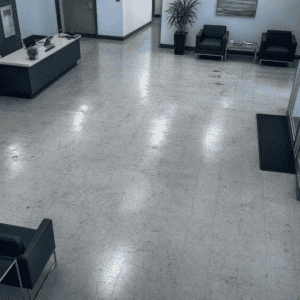
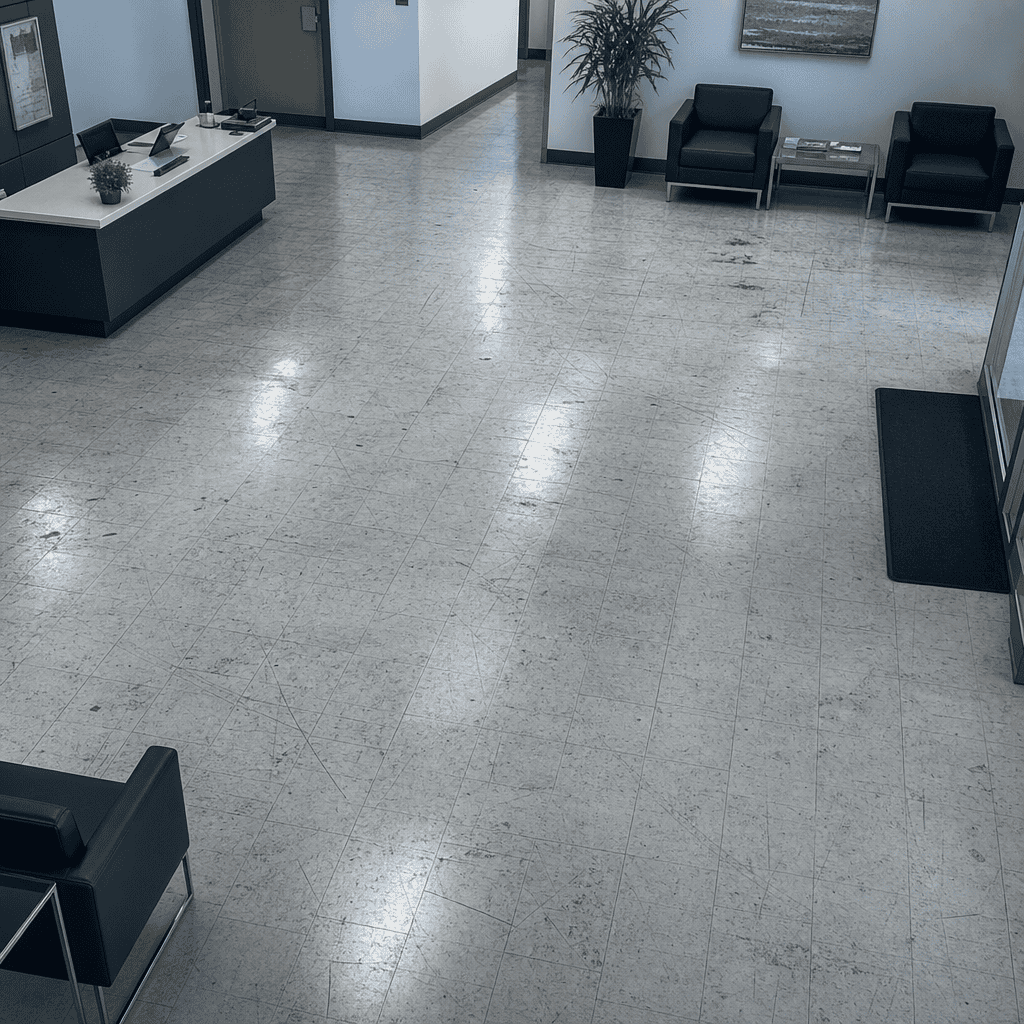
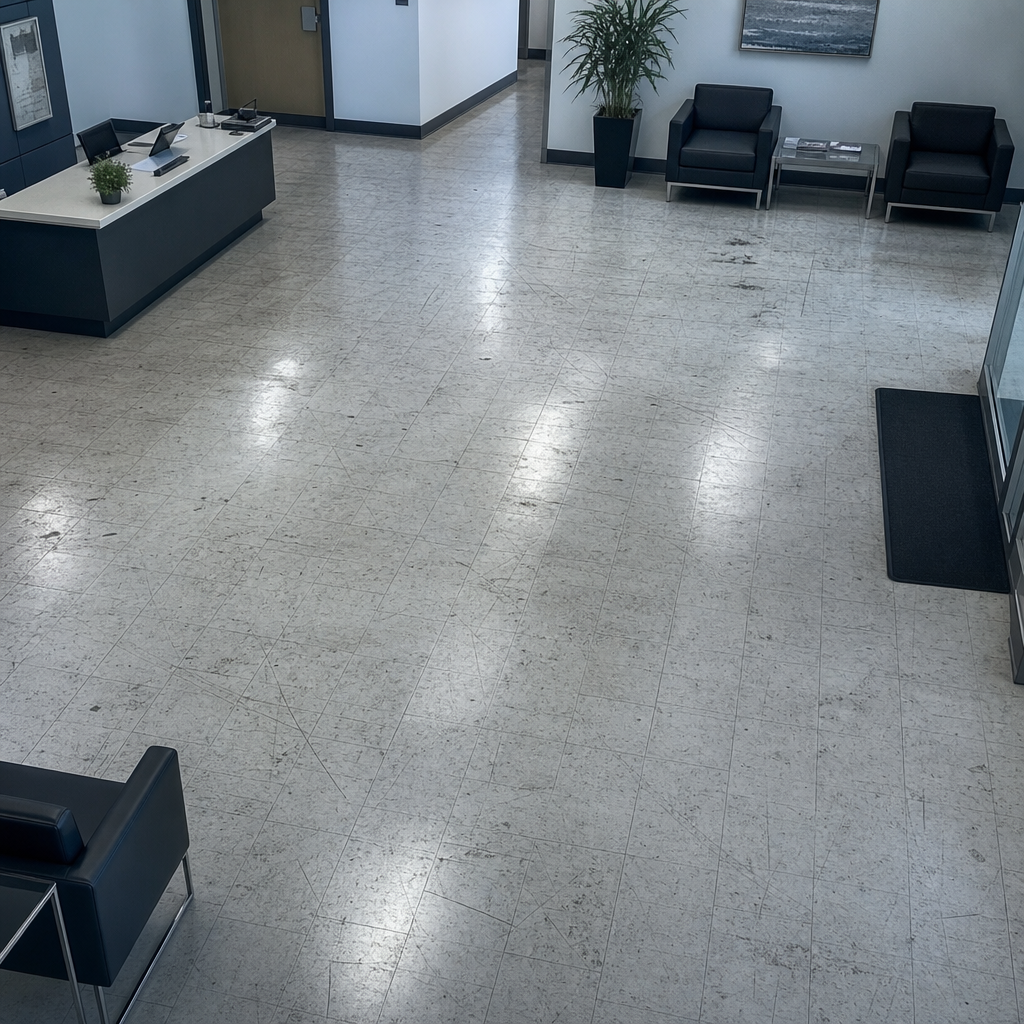
Most commercial floors in Christchurch look dull, scratched, or discoloured not because they are old, but because they have never been properly stripped and resealed. A worn floor finish traps dirt at the surface level, makes your space look neglected, and creates slip hazards that expose property managers and business owners to real liability. Floor stripping and sealing Christchurch commercial properties is one of the highest-impact maintenance tasks you can schedule, and yet it is consistently misunderstood, skipped, or done incorrectly by undertrained cleaning contractors.
Table of Contents
- What Is Floor Stripping and Sealing
- Quick Takeaways
- Floor Types Suited to Stripping and Sealing
- The Stripping and Sealing Process Step by Step
- How Often Should Christchurch Commercial Floors Be Stripped and Resealed
- Comparing Floor Finish Approaches for Commercial Properties
- Common Mistakes That Ruin Commercial Floor Finishes
- Cost Considerations for Floor Stripping and Sealing in Christchurch
- How Triple Star Approaches Floor Maintenance in Christchurch and Auckland
- Frequently Asked Questions
- References
What Is Floor Stripping and Sealing
Floor stripping is the complete removal of all existing wax, polish, and sealer coats from a hard floor surface, down to the bare floor material. Sealing is the application of fresh coats of floor finish or sealer to protect the exposed surface. Together, these two processes restore a floor to a like-new condition and establish a clean protective base.
This is not the same as mopping or buffing. Buffing restores shine to an existing finish layer. Stripping removes that layer entirely. If you are still buffing a floor that has five years of built-up product on it, you are essentially polishing over a damaged, yellowed mess.
Quick Takeaways
| Key Insight | Explanation |
|---|---|
| Strip first, seal second, always | Applying new sealer over old, degraded coats traps yellowing and dirt and produces an uneven finish that peels faster. |
| Vinyl and linoleum are the primary candidates | VCT, LVT, and linoleum tiles are the most common hard floors in Christchurch offices, schools, and medical centres that require regular strip and seal cycles. |
| Frequency depends on foot traffic, not calendar | A busy Christchurch retail store may need a full strip every 6-12 months. A low-traffic office corridor may go 18-24 months between full strips. |
| Using the wrong stripper concentration destroys floors | Over-diluted stripper fails to cut the old finish. Over-concentrated stripper can etch or stain the underlying floor material permanently. |
| Dwell time is non-negotiable | Stripper solution must sit on the floor for the recommended dwell period, typically 5-10 minutes, before agitation. Rushing this step is the number one reason re-strips are needed prematurely. |
| Number of sealer coats determines durability | A minimum of 3-4 coats of quality finish is required for commercial traffic. Fewer coats look acceptable on day one but degrade within weeks. |
| Wet floor safety is a legal requirement, not a courtesy | Under New Zealand health and safety law, wet floors during the strip and seal process must be signed and isolated. This is not optional for commercial sites. |
Floor Types Suited to Stripping and Sealing
Not every hard floor in a Christchurch commercial building is a candidate for traditional strip and seal. Getting this wrong is costly, so the floor type identification step is mandatory before any chemical is applied.
Vinyl Composition Tile (VCT)
VCT is the most common floor type in New Zealand schools, hospitals, and older retail centres. It is porous, scratches easily, and requires a protective finish layer to remain presentable and hygienic. Without regular strip and seal cycles, VCT turns grey and becomes impossible to clean effectively no matter how frequently it is mopped.
Luxury Vinyl Tile (LVT) and Sheet Vinyl
LVT has a factory-applied wear layer that makes it more resistant than VCT, but high-traffic areas still benefit from a floor finish coat. The critical detail here is that LVT requires a non-buffable, low-solid finish, not the high-solid products used on VCT. Applying the wrong product causes hazing and adhesion failure.
Linoleum
Linoleum is common in older Christchurch buildings and medical centres. It is a natural material that oxidises over time, producing a surface haze. Stripping and resealing linoleum restores colour depth and protects the material from moisture penetration, which is particularly important in Canterbury’s variable climate.
Floors That Should Never Be Stripped with Chemical Stripper
Timber floors, polished concrete, natural stone, and ceramic tiles are not suitable for traditional chemical strip and seal. Each requires a completely different maintenance method. A common mistake made by general cleaning contractors is applying a vinyl floor stripper to a polished concrete floor, causing permanent surface damage.
The Stripping and Sealing Process Step by Step
Understanding each step in the process helps property managers set realistic expectations for timing, access restrictions, and outcomes. In practice, a full strip and seal on a 500sqm commercial floor takes a professional team approximately 8-12 hours, including drying time between coats.
Step 1: Pre-Clean the Floor
All loose debris, furniture, and mats are removed. The floor is dust-mopped thoroughly. Skipping this step means you are diluting your stripper solution with surface dirt and grit, reducing its effectiveness before you even start.
Step 2: Mix and Apply Stripper Solution
The chemical stripper is diluted to the correct ratio for the level of build-up on the floor. Fresh finish layers require a lighter concentration. Heavy build-up, multiple yellowed layers, or contaminated wax requires a stronger mix. The solution is applied evenly with a mop and left to dwell without foot traffic.
Step 3: Agitate with a Floor Machine
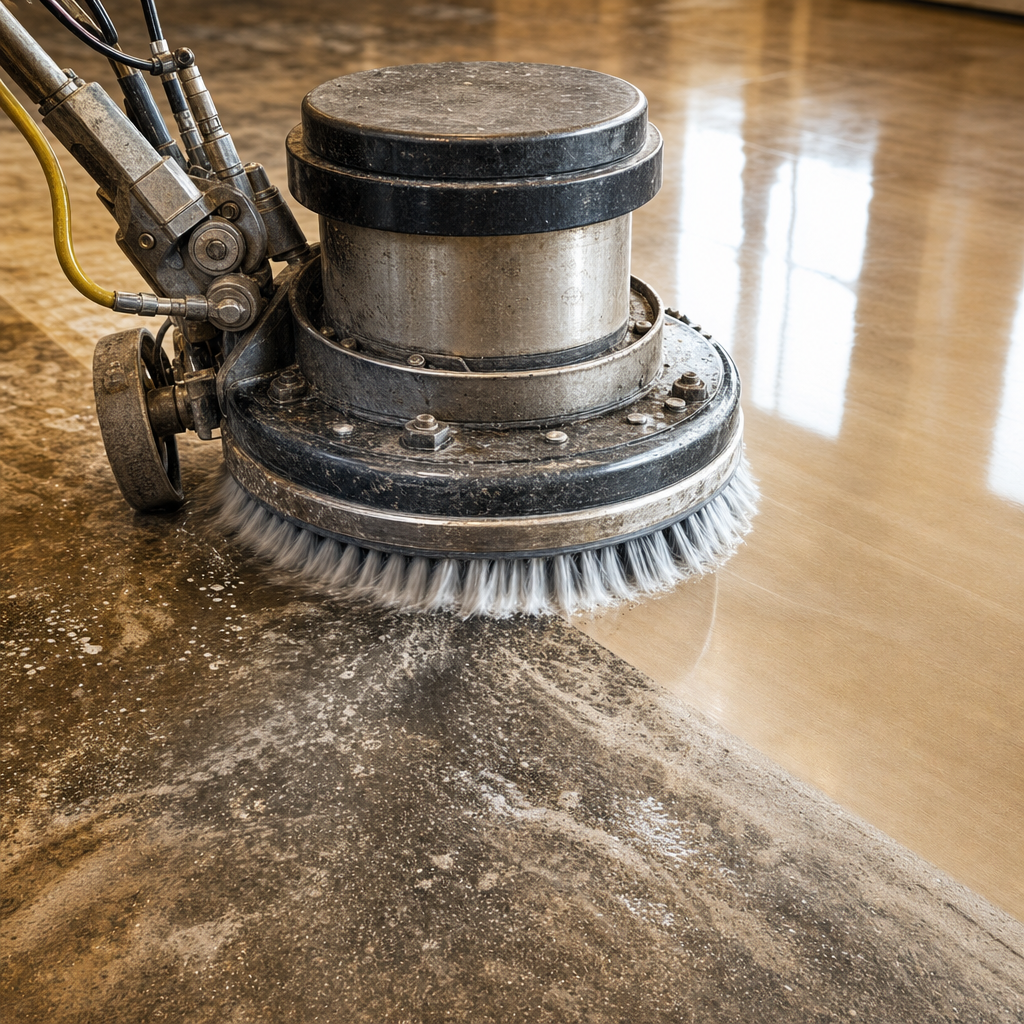
A low-speed rotary floor machine fitted with a stripping pad works the softened finish loose from the floor surface. The black or brown stripping pad is the correct choice here, not a polishing pad. Using the wrong pad is a frequent error that leaves finish residue behind.
Step 4: Wet Vac and Rinse
The loosened slurry of old finish and stripper solution is removed with a wet vacuum. The floor is then rinsed with clean water to remove all chemical residue. Residual stripper left on the floor will prevent the new sealer from bonding correctly, resulting in a peeling or cloudy finish within days.
Step 5: Allow Full Drying Time
The floor must be completely dry before any sealer is applied. In Christchurch, particularly during winter months, humidity slows drying time. Using fans or opening windows accelerates this stage. Applying sealer to a damp floor is one of the most common causes of finish failure.
Step 6: Apply Sealer Coats
A quality commercial floor finish is applied in thin, even coats using a clean finish mop. Each coat must dry fully before the next is applied. Rushing this step by applying thick coats causes bubbling, streaking, and uneven gloss levels. For commercial traffic in Christchurch, a minimum of 4 coats is standard practice.
Pro tip: Always apply sealer coats in opposite directions, alternating the direction of each coat at 90 degrees. This technique fills surface micro-scratches more evenly and produces a more uniform gloss level across the entire floor.
How Often Should Christchurch Commercial Floors Be Stripped and Resealed
The answer depends entirely on foot traffic volume, the type of business, and whether a regular maintenance cleaning programme is in place. There is no universal schedule that applies across all Christchurch commercial properties.
“A proactive floor maintenance programme that includes regular spray buffing between strip and seal cycles can extend the life of a floor finish by 40-60%, significantly reducing total annual floor maintenance costs.” – International Sanitary Supply Association (ISSA) guidance on hard floor care programmes.
Here is how frequency breaks down across the property types Triple Star Commercial Cleaning services in Christchurch and Auckland:
- High-traffic retail stores: Full strip and reseal every 6-12 months. Spray buff or scrub-and-recoat every 2-3 months in between.
- Medical centres and clinics: Strip and reseal every 6-12 months due to the need for consistently hygienic, non-porous floor surfaces.
- Schools and educational facilities: Typically done during Christmas or Easter school holidays to avoid disruption. A full strip and reseal annually is appropriate for heavy-use corridors and classrooms.
- Office buildings and corporate spaces: Every 12-24 months for general office areas. Reception and entry areas may need attention every 6-12 months due to tracked-in soil and concentrated foot traffic.
- Warehouses and light industrial sites: Depends on the floor surface. Many warehouses use sealed concrete, which has a different maintenance protocol entirely.
The data consistently shows that properties without a scheduled maintenance programme between strip cycles end up paying more overall, because neglected floors require more aggressive stripping, longer labour time, and sometimes surface repairs before a new finish can be applied.
Comparing Floor Finish Approaches for Commercial Properties
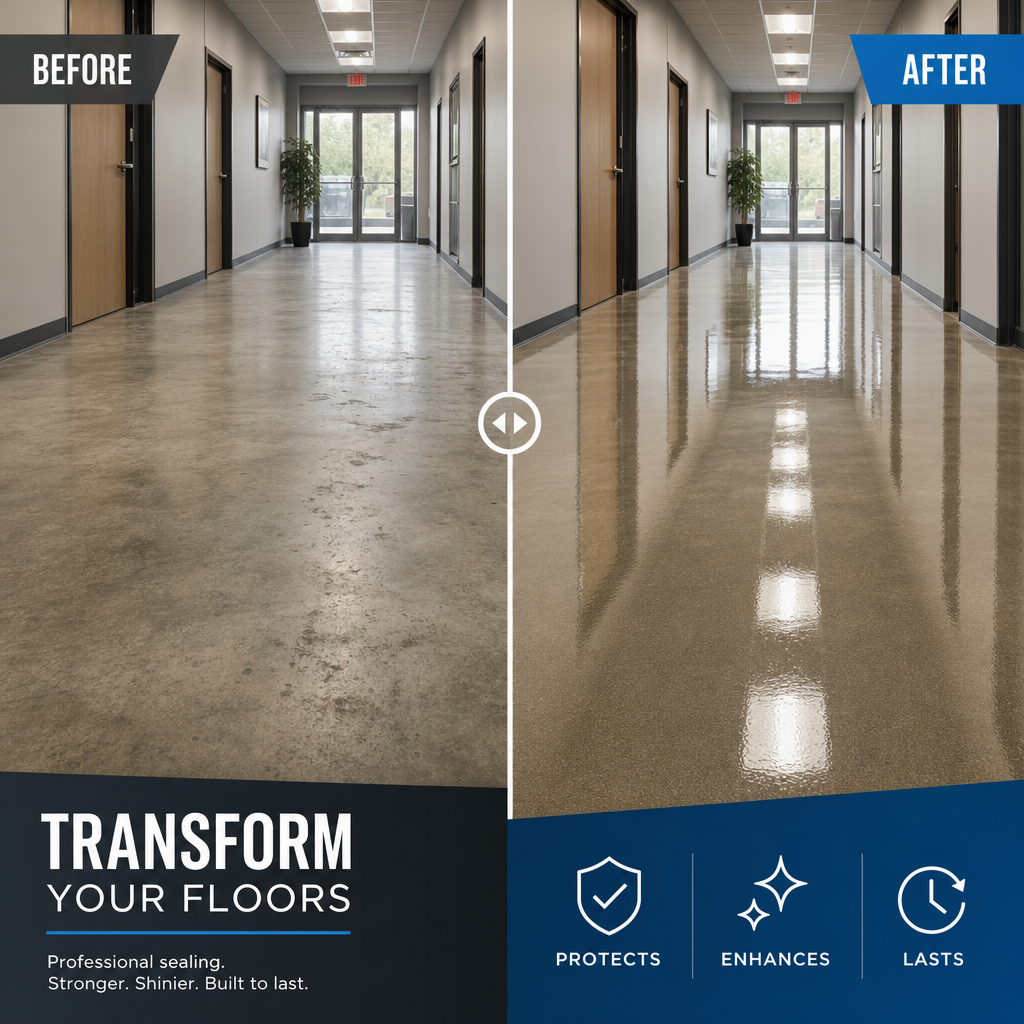
There are three primary approaches used for hard floor maintenance in Christchurch commercial buildings. Each has a different cost profile, durability outcome, and suitability depending on your property type and traffic level. The table below compares them directly.
| Approach | Best Suited For | Key Limitation |
|---|---|---|
| Full Strip and Reseal (chemical strip, 4+ coats of finish) | VCT, linoleum, and vinyl floors with significant build-up or yellowing. Recommended for retail, schools, and medical centres on annual or biannual cycles. | Requires full floor closure for 8-12 hours. Higher upfront cost per visit but lowest cost when calculated annually as part of a scheduled programme. |
| Scrub and Recoat (light mechanical scrub, 1-2 fresh coats applied over existing finish) | Floors with a sound existing finish that have lost gloss or show surface scuffs. Ideal as a mid-cycle maintenance step between full strip cycles. | Does not remove old build-up. If the existing finish is yellowed, contaminated, or peeling, scrub and recoat will not correct the problem and may make it worse. |
| Spray Buff (high-speed burnishing with a light spray of finish restorer) | Low-to-medium traffic office corridors and reception areas needing a quick gloss restoration between deeper maintenance visits. | Surface-level only. Does not add meaningful protection. Ineffective on floors with more than light surface dullness. Frequent spray buffing without periodic deeper maintenance accelerates build-up. |
In practice, the best floor maintenance programmes for Christchurch commercial properties combine all three approaches on a tiered schedule, with spray buff or scrub-and-recoat maintaining appearance between annual or biannual full strip cycles.
Common Mistakes That Ruin Commercial Floor Finishes
These are the errors that produce callbacks, unhappy clients, and floors that look worse after a strip and seal than before. They are avoidable with proper training and process discipline.
Applying New Finish Over Contaminated Residue
If the rinse step after stripping is rushed or skipped, chemical residue remains on the floor. New finish applied over this residue loses adhesion and begins to peel or cloud within days. This is the most expensive mistake in floor care because the entire job must be redone from scratch.
Using a Single Heavy Coat Instead of Multiple Thin Coats
A thick coat of floor finish looks good for approximately 48 hours and then begins to streak, bubble, and pit. Multiple thin coats, each allowed to dry fully, produce a significantly harder, more durable finish that resists scuffing and traffic marks far longer.
Ignoring Corner and Edge Coverage
Floor machines cannot reach floor edges and corners. These areas must be stripped manually with a scraper or detail pad. Neglecting edge stripping leaves old, yellowed finish at the perimeter of the floor, which becomes visually obvious once fresh coats are applied to the field area.
Reopening the Floor Too Early
New floor finish is water-sensitive for up to 24 hours after application. Foot traffic introduced before the finish has cured fully leaves scuff marks, heel dents, and surface impressions that are locked into the finish as it hardens. For Christchurch commercial properties, scheduling floor work overnight or across a weekend is the correct approach.
Pro tip: Request that your cleaning contractor photograph the floor at the end of each stage: after stripping, after rinsing, and after each sealer coat. This creates an accountability record and makes it easy to identify at exactly which stage a problem occurred if the finish fails prematurely.
Cost Considerations for Floor Stripping and Sealing in Christchurch
Cost varies significantly based on floor area, the number of existing finish layers, the type of product specified, and whether the work is scheduled during business hours or after hours. Christchurch commercial property managers should expect to budget differently for each of these factors.
What Drives Cost Up
Heavy build-up requires multiple stripping passes, more chemical, and longer labour time. Floors that have not been stripped for several years can take twice as long to strip as a floor on an annual programme. This is the most direct argument for maintaining a regular schedule rather than delaying the work.
After-hours and weekend scheduling, while operationally necessary for most active businesses, attracts a premium over standard business-hours rates. This is standard across the commercial cleaning industry in New Zealand and is not specific to any single contractor.
What Reduces Long-Term Cost
A planned maintenance programme that includes scheduled spray buff or scrub-and-recoat visits between full strip cycles significantly reduces the cost of each full strip, because less build-up accumulates and less chemical and labour are required. Properties that invest in a maintenance programme consistently pay less per square metre annually than those that do one-off strip-and-seal jobs every few years.
Combining floor stripping and sealing with other scheduled cleaning services, such as carpet cleaning or window cleaning, can also reduce total mobilisation costs, since the contractor is already on site.
How Triple Star Approaches Floor Maintenance in Christchurch and Auckland
Triple Star Commercial Cleaning has been providing floor stripping and sealing services to Christchurch and Auckland commercial properties since 2015. Our clients include office buildings, retail stores, medical centres, schools, and body corporates across both cities.
We do not operate as a franchise model. Unlike some franchise-based cleaning companies where individual operators vary significantly in their training and equipment standards, Triple Star operates with consistent in-house teams, site-specific cleaning plans, and documented processes for every floor maintenance job.
Every strip and seal job includes a pre-work assessment of the floor type, existing finish condition, and traffic patterns. We specify the correct product concentration for the build-up level on that specific floor, not a generic dilution ratio applied across all sites. This matters because over-diluted stripper on heavily built-up floors is one of the most common reasons that Christchurch property managers call us to re-do work that another contractor has failed to complete correctly.
All Triple Star sites are covered by public liability insurance. We are an UpstreamNZ approved supplier, which means our operational and quality standards have been independently assessed. For commercial property managers who need to demonstrate due diligence in their contractor selection, this matters.
If you manage a commercial property in Christchurch or Auckland and want to discuss a floor maintenance programme, contact Triple Star Commercial Cleaning at www.3plestar.nz/contact or visit our floor stripping and sealing service page for more detail on what we include in a standard job scope.
Frequently Asked Questions
How long does a floor strip and seal take for a typical Christchurch office building?
For a standard office floor of 300-500 square metres, a professional team typically requires 8-12 hours from start to finish, including stripping, rinsing, drying, and applying a minimum of 4 sealer coats. Larger areas or heavily built-up floors will extend this timeframe. Most commercial operators schedule this work overnight or across a weekend to avoid business disruption.
Can floor stripping and sealing be done in a occupied building?
It can be done in sections, with areas isolated by signage and barriers while work is in progress and drying. However, chemical strippers produce fumes that can be disruptive in enclosed spaces, and wet floor areas present slip hazards that require strict safety controls. For most Christchurch commercial properties, out-of-hours scheduling produces a better result and eliminates risk to building occupants.
What is the difference between a sealer and a floor finish?
A sealer is a penetrating product applied directly to the bare floor surface to seal the pores of the material and create a bond coat for subsequent layers. A floor finish, sometimes called wax or polish, is the protective wear layer applied on top of the sealer. Most commercial floor maintenance programmes apply one sealer coat followed by 3-4 finish coats. Using finish coats without a proper sealer base reduces adhesion and shortens the life of the entire floor care system.
My Christchurch retail store has a vinyl floor that looks yellow. Will strip and seal fix it?
In most cases, yes. Yellowing on vinyl commercial floors is almost always caused by oxidised or contaminated floor finish build-up, not damage to the floor material itself. A full chemical strip removes all existing finish layers, and applying fresh coats of quality product restores the floor’s appearance significantly. If the yellowing persists after stripping and the bare floor material itself is discoloured, the issue may be UV degradation or a chemical stain in the vinyl, which requires a different remediation approach.
How do I know when a scrub and recoat is enough versus needing a full strip?
Scrub and recoat is sufficient when the existing finish is sound but has lost surface gloss due to light traffic wear. Indicators that a full strip is required include: visible yellowing or browning of the finish, areas where the finish is peeling or flaking, black heel marks that cannot be removed by regular cleaning, a powdery or chalky appearance when the floor is dry, or a noticeable build-up of product around furniture legs and room perimeters. If you are unsure, a professional assessment before scheduling work will prevent spending money on a scrub and recoat that does not solve the problem.
Does floor stripping and sealing work on polished concrete floors?
No. Polished concrete is maintained through grinding, honing, and densifier applications, not through the chemical strip and seal process used on vinyl and linoleum floors. Applying a vinyl floor stripper to polished concrete will strip the topical sealer or guard product and can permanently damage the polished surface. If you have polished concrete in your Christchurch commercial property, it requires a separate specialist service that is entirely different from hard floor strip and seal.
Have you had a floor stripping and sealing job done on your Christchurch or Auckland commercial property? We would like to hear what the experience was like and what results you got.
References
- WorkSafe New Zealand: health and safety guidance for commercial cleaning operations and wet floor hazard management
- Statista: commercial cleaning industry market data and facility management spending trends
- Forbes: commercial real estate facility management and property maintenance cost benchmarking
- United States Environmental Protection Agency: guidance on chemical stripper safety and indoor air quality during floor maintenance operations
- ISSA (International Sanitary Supply Association): hard floor care programme standards and cleaning industry best practice guidelines